Gardening offers immense joy and a fulfilling connection to nature, making it a wonderful activity for individuals and families alike. However, the dream of cultivating a thriving garden often clashes with the reality of limited outdoor space, especially in urban environments or properties with specific landscaping restrictions. For many, the traditional sprawling backyard garden simply isn’t an option. This is precisely where modern gardening solutions like raised garden beds become invaluable. They transform even the most challenging spaces into productive and beautiful growing areas.
Our journey into the world of raised bed gardening began in August of 2022 when we invested in Vego garden beds. After nearly three years of hands-on experience, we’re ready to share our comprehensive, completely unbiased review. We’ll delve into everything you need to know: the pros and cons, the innovative materials used, the diverse range of sizes, and the incredible configuration options available. Vego garden beds are widely recognized for their exceptional durability, straightforward assembly, and remarkable versatility. But the ultimate question remains: are they the right choice for *your* gardening aspirations? Join us as we explore the details to help you make an informed decision!
This post contains affiliate links for your convenience. Click here for my full disclosure policy.
Before we dive into the specifics, it’s crucial to emphasize that this review is entirely unsponsored. We were NOT gifted our Vego garden beds; we purchased them at full price, just like any other customer. My subsequent affiliation with Vego Garden Beds stems directly from our genuinely positive personal experience and profound satisfaction with their products. This post was last updated on May 6, 2025, reflecting our long-term insights and observations.
DISCOUNT ALERT
You can save $10 off your order using the code TASHA.KALEIDOSCOPE10OFF at checkout. This exclusive offer is a small token of appreciation for our readers, allowing you to experience the quality of Vego garden beds at a slightly reduced cost.
Just like many other families, our yard space isn’t vast, and it certainly isn’t optimally configured for traditional in-ground gardening. To further complicate matters, our homeowners’ association (HOA) imposes strict regulations, significantly limiting our landscaping choices. Despite these constraints, our desire to grow fresh vegetables and vibrant cutting flowers remained strong. This led us to explore various raised garden bed solutions, seeking an option that would not only fit our space and meet HOA guidelines but also provide a long-lasting and productive gardening experience.
Before delving into our detailed review of Vego garden beds, it’s important to understand the broader context of raised bed gardening. While they offer numerous benefits, raised garden beds aren’t a universal solution for every gardener. Let’s first examine the general advantages and disadvantages of this popular gardening method to help you determine if it aligns with your specific needs and circumstances.
The Advantages of Raised Garden Beds
One of the most compelling benefits of raised garden beds is their unparalleled versatility. Unlike traditional in-ground gardens, raised beds offer incredible flexibility in placement. They can be situated almost anywhere with adequate sunlight – be it a compact backyard, a paved patio, a sun-drenched balcony, or even a rooftop. This makes them an ideal choice for urban dwellers, apartment residents, and those with small properties, effectively turning previously unusable spaces into fertile ground. Their elevated nature also significantly improves accessibility, which is a game-changer for individuals with mobility challenges, seniors, or even young children, allowing them to participate in gardening without excessive bending or kneeling.
Beyond convenience, raised garden beds provide superior environmental control for your plants. The contained soil structure allows for vastly improved drainage, preventing waterlogging and promoting healthier root development, which is crucial for a wide array of fruits, vegetables, and herbs. Gardeners can also easily customize the soil composition to perfectly match the needs of their chosen crops, leading to more robust growth and higher yields. Furthermore, the elevation acts as a natural barrier against many common garden pests and helps keep weeds under much better control, as weed seeds are less likely to migrate into the contained soil. This combination of benefits results in a more efficient, enjoyable, and often more productive gardening experience.
The Disadvantages of Raised Garden Beds
While raised garden beds offer numerous advantages, it’s essential to consider their potential drawbacks. The initial investment is typically higher than simply planting directly into the ground. This cost encompasses not only the beds themselves but also the significant amount of soil required to fill them, which can be a considerable expense, especially for larger or deeper beds. This upfront financial commitment can be a deterrent for some gardeners. Additionally, raised beds tend to heat up and dry out more quickly than in-ground gardens, particularly in warmer climates or during hot summer months. This characteristic demands more frequent watering and diligent moisture management, potentially making them more high-maintenance. New gardeners or those with limited time to dedicate to daily watering might find this aspect challenging.
After carefully weighing the pros and cons, we concluded that raised garden beds were the optimal solution for our specific needs. Our next big decision was whether to embark on a DIY construction project or purchase pre-made beds. Our previous experience with building raised beds at our old house, even using recommended lumber, proved disappointing. We observed a rapid deterioration of the wood, which was frustrating given the considerable time and effort we had invested in their construction. Determined to avoid a repeat of that experience, I began researching alternative materials for raised beds, leading me to discover the innovative world of Vego garden beds.
Vego Garden Beds: A Deep Dive
My initial encounter with Vego garden beds was through Instagram, where their sleek and modern aesthetics immediately caught my eye. However, I knew that good looks alone weren’t enough. I needed to understand what they were made of, their practical dimensions, and the extent of their customization options. This prompted an extensive research phase, the insights of which I’m now sharing to save you valuable time. Through my investigation, I quickly learned the key aspects that set Vego beds apart.
To cut straight to the chase: we are absolutely delighted with our Vego garden beds. Our experience over the past few years has solidified our conviction that they were an excellent investment. We would unequivocally purchase them again and anticipate adding more to our garden in the coming years. They have delivered the perfect blend of functionality and aesthetics, seamlessly integrating into our outdoor space while providing an incredibly productive growing environment. While they have been an ideal solution for us, it’s important to remember that gardening needs are diverse. Keep reading to explore all the facets of Vego beds and determine if they align with your unique gardening style and objectives!
Innovative Materials and Flexible Sizes
Vego garden beds distinguish themselves significantly through their innovative construction materials. Unlike common wooden or plastic alternatives, Vego beds are crafted from galvanized steel, further enhanced with a multi-layer powder coating known as Aluzinc. This advanced coating is a proprietary blend of aluminum, zinc, and silicon, specifically engineered to maximize longevity and provide exceptional rust resistance. This composition ensures that Vego beds are not just durable but truly long-lasting, capable of withstanding various weather conditions—from heavy rains to strong winds and intense sun—without corroding or deteriorating. Crucially, they are also 100% non-toxic; the materials are designed to prevent the leaching of metals and other harmful toxins into the soil, guaranteeing that your plants remain clean, healthy, and safe for consumption.
The performance of Aluzinc is a significant upgrade over traditional materials. It boasts an impressive 7 times greater resistance to corrosion and rust compared to standard galvanized steel, and its surface is twice as hard, making it far more resilient against physical damage than wood or plastic. This superior material means Vego raised beds are built to hold soil securely for decades without deforming, bending, or requiring the frequent repairs or replacements associated with less robust options.
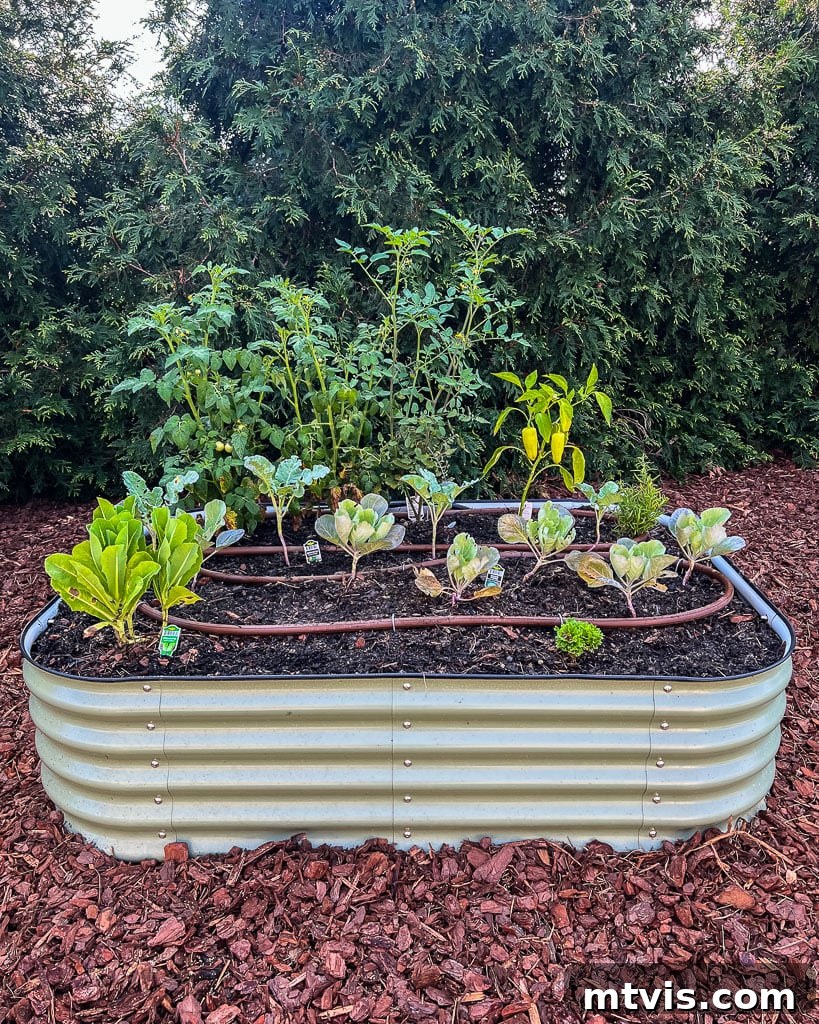
Initially, I harbored concerns about the steel edges being sharp, especially with curious children often playing in the yard. To my relief, Vego has meticulously designed every aspect for safety. All corners are smoothly rounded, and even the cap nuts are designed to be soft to the touch. There are absolutely no sharp edges or rough surfaces to worry about, making them remarkably safe for even the youngest gardeners. Another common apprehension revolves around steel heating up excessively in the sun. However, our experience, even in the scorching summer heat, has shown that the steel panels do not become uncomfortably hot. A fascinating aspect I discovered through my research is that the soil within galvanized steel beds maintains a more optimal and consistent temperature compared to that in wooden, concrete, or dark plastic beds, which can retain heat long after the sun sets. This thermal stability contributes to healthier root systems and better overall plant growth.
Vego garden beds are also available in an extensive array of sizes and shapes, offering truly bespoke gardening solutions. For those curious about our specific selections, details on the exact sizes we chose can be found in the Frequently Asked Questions section at the conclusion of this post.
What truly sets Vego apart is its modular design. The interchangeable components allow for countless configurations, enabling gardeners to create layouts that perfectly suit any space, from the most compact city balcony or patio to expansive backyards. They offer standard square, rectangular, U-shaped, and even round options, with depths ranging from a practical 8 inches to a generous 17 inches. The modularity is so ingenious it’s often compared to Tetris, where various panels can be combined to form an astonishing variety of shapes and sizes. This adaptability ensures that no matter the size or shape of your available area, there’s a Vego configuration that can maximize your planting potential.
Effortless Assembly for All Skill Levels
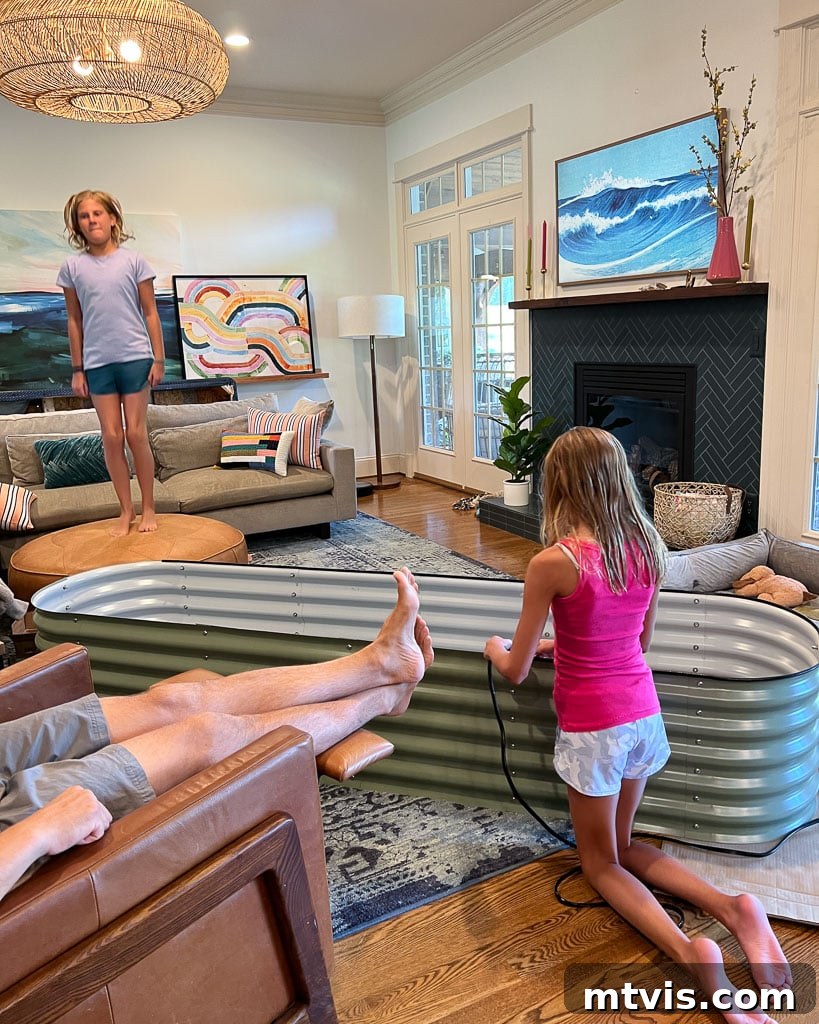
One of the most pleasant surprises we encountered with Vego garden beds was their incredible ease of assembly. When we purchased our beds, we were in the midst of an extensive yard makeover, which included installing new irrigation zones, tilling, and reconfiguring existing garden areas. We were, to put it mildly, absolutely exhausted. The thought of adding another complex DIY project was daunting. However, the Vego beds proved to be so simple to put together that our children were able to assemble them with minimal adult supervision. We even decided to assemble them indoors to escape the sweltering outdoor heat, which speaks volumes about the clean and manageable nature of the process. Their lightweight design further simplified matters, allowing us to easily move the fully assembled beds to their permanent outdoor locations without strain or difficulty. This straightforward assembly process means you don’t need specialized tools or advanced DIY skills to get your Vego garden up and running.
Strategic Placement for Optimal Growth
The versatility of Vego garden beds extends to their placement. They can be installed on virtually any surface, including natural grass, bare soil, concrete patios, pavers, or tiled areas. This adaptability makes them suitable for nearly any outdoor setting. While Vego recommends placing the beds directly on grass or soil for optimal natural drainage and interaction with the ground, they perform admirably on hardscapes as well. Regardless of the chosen surface, achieving a relatively level foundation is crucial for structural stability and proper water distribution within the bed. In our case, positioning them within existing garden beds required some preliminary digging and grading to ensure a stable base. Even with a slight slope, which we still have, we’ve observed no issues whatsoever with the beds’ integrity or our plants’ health. Proper preparation of the base area ensures your Vego beds remain stable and functional for years to come.
Smart Filling Strategies: The Hugelkultur Method
When we first considered Vego garden beds, a major concern was the potentially exorbitant cost of filling them entirely with bagged soil. However, we quickly learned a money-saving and highly beneficial secret: you absolutely do not need to (and arguably shouldn’t) fill them solely with expensive topsoil! Instead, we successfully employed the Hugelkultur method to fill all three of our Vego garden beds. This technique not only dramatically reduced our expenses but has also proven incredibly effective in fostering a thriving garden ecosystem. Every plant we’ve cultivated in these beds over the past year has flourished, demonstrating the remarkable success of this approach.
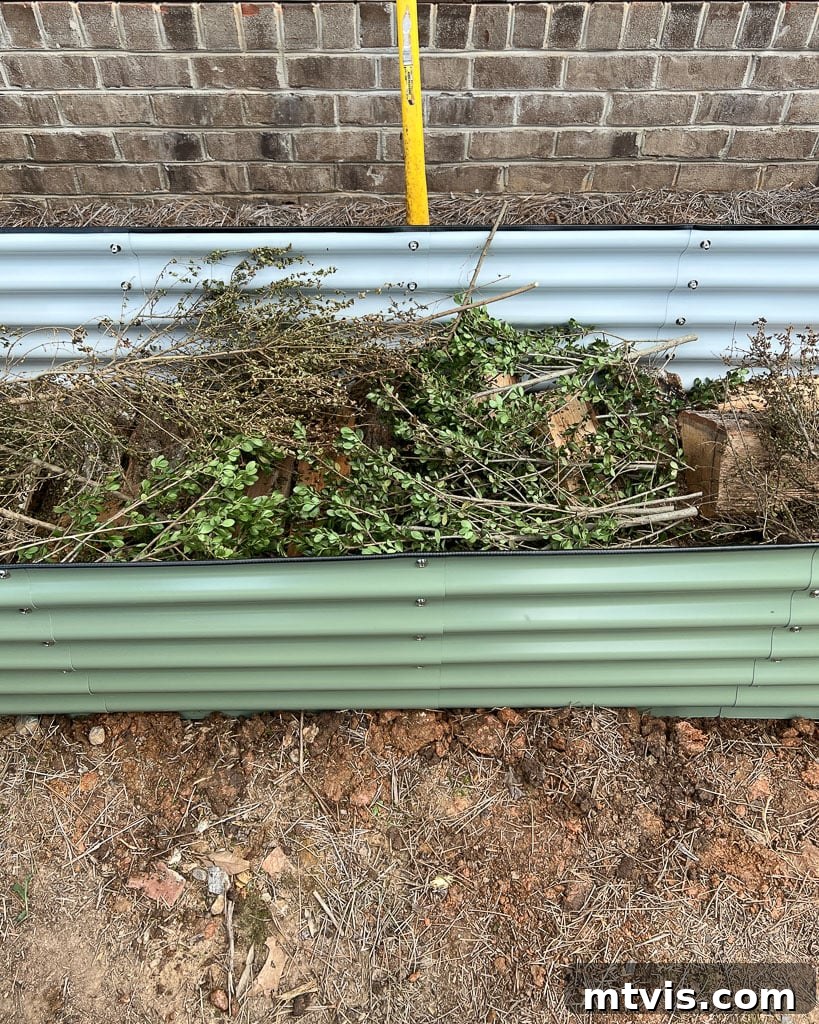
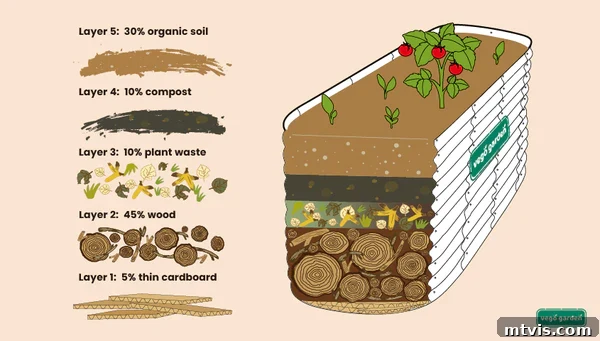
Hugelkultur is an ancient gardening practice that involves layering various organic garden waste materials at the base of your raised bed before adding the final layer of soil. This includes items such as logs, branches, sticks, grass clippings, leaves, wood chips, coffee grounds, and unfinished compost. As these organic materials slowly decompose, they release a steady supply of nutrients into the soil, creating a rich and fertile growing medium. Furthermore, the woody material acts like a sponge, absorbing and retaining moisture, which significantly reduces the need for frequent watering. This method mimics natural forest floor decomposition, creating a self-sustaining and nutrient-rich environment that benefits plant health and significantly cuts down on ongoing costs associated with soil amendments and irrigation. A visual representation of this layering process can be seen in the diagram below.
Enhancing Your Garden with Vego Accessories
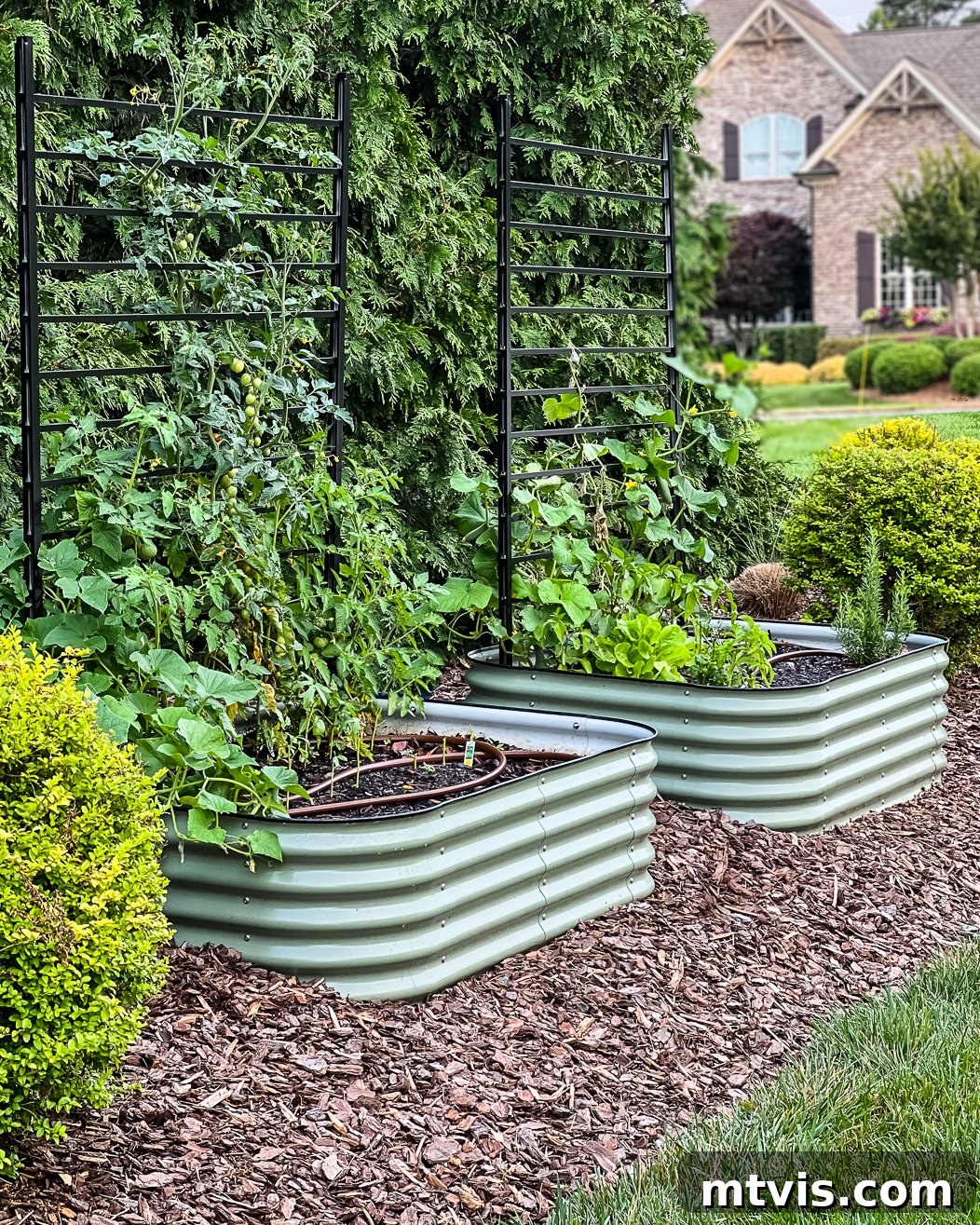
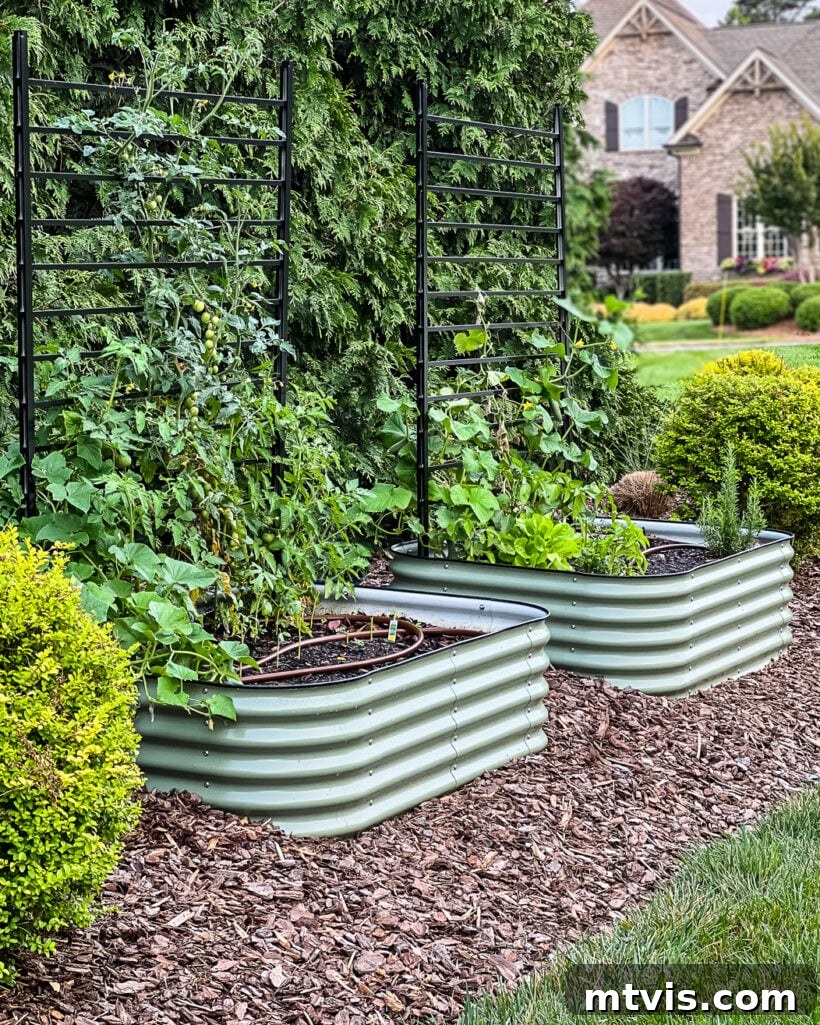
To further optimize your Vego garden beds and expand their functionality, a range of thoughtfully designed accessories are available. These “add-ons” can significantly enhance your gardening experience. One of the most sought-after accessories is a trellis, which provides essential support for climbing plants such as cucumbers, tomatoes, beans, and peas. Vego offers elegant arched trellises that can span between two beds, creating a beautiful and functional tunnel for climbing crops, as well as more traditional flat trellises that attach directly to the bed walls. These trellises help maximize vertical growing space and keep plants healthy by promoting airflow.
Another excellent addition is the worm composter. These innovative composters integrate directly into your raised bed, utilizing beneficial worms to break down organic kitchen scraps and garden waste. The result is a highly nutrient-rich “worm castings” fertilizer that naturally enriches your soil, boosting plant vitality and reducing the need for external fertilizers. Finally, Vego offers protective covers designed to shield your plants from various environmental challenges, including harsh weather conditions, intense sun, and common garden pests, thereby extending your growing season and safeguarding your harvest.
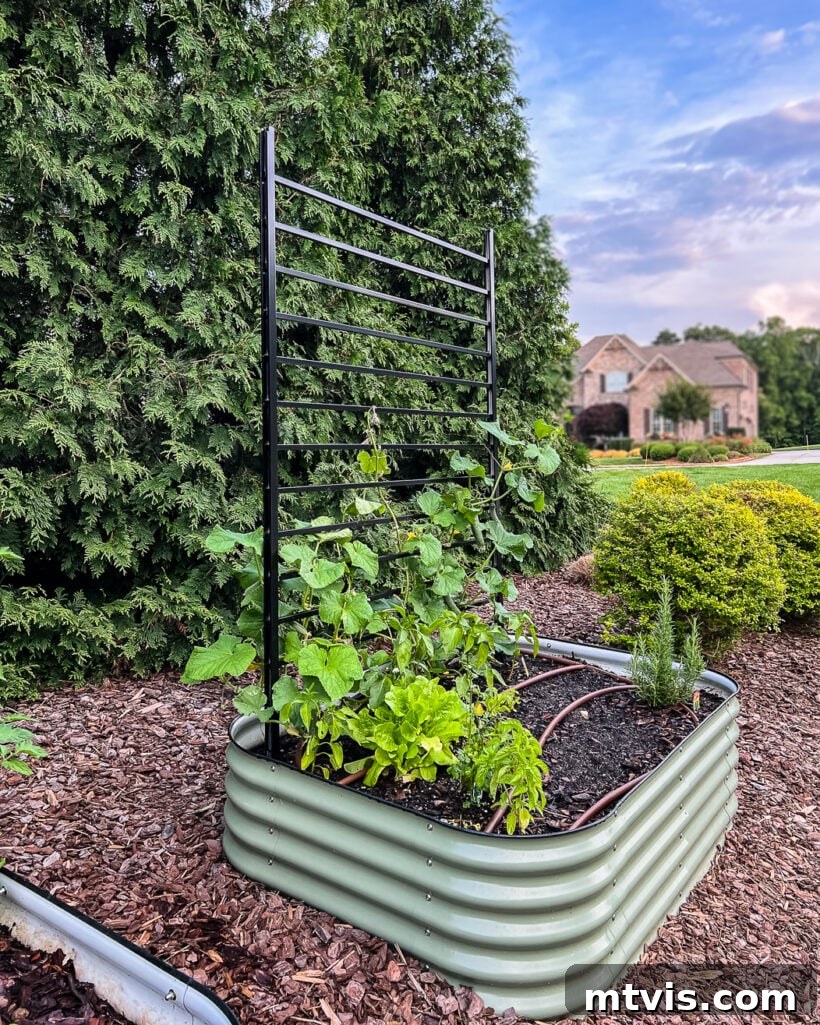
It’s important to share a crucial insight regarding these Vego accessories: they are significantly easier to install during the initial assembly of your garden beds. Attempting to add them after your beds have been filled with soil and planted can become quite a logistical challenge. For instance, trellises and covers typically require bolting into the side panels of the beds. Once the soil is in place and plants are growing, accessing these bolt points becomes incredibly difficult. We personally faced this dilemma when we wanted to add trellises to our vegetable beds. Initially, we considered Vego’s dedicated trellises but found them to be quite expensive. More importantly, realizing the complexity of installing them post-planting, we decided against it. Instead, we opted to construct our own DIY trellises using metal fence panels. This alternative proved to be more cost-effective, remarkably easy to install even after our beds were planted, and we actually prefer their modern aesthetic.
Similarly, I deeply regret not having invested in the worm composters from the very beginning. While we might still attempt to integrate them between planting seasons, the fact that we utilized the Hugelkultur method to fill a substantial portion of our beds makes me uncertain if they will fit properly now. The valuable lesson here is to plan ahead: if you anticipate needing any of Vego’s accessories, it is highly advisable to purchase and install them concurrently with the initial setup of your beds. While these accessories, like the beds themselves, represent a notable investment, all indications suggest they maintain the same high standards of durability and quality. Careful planning at the outset will save you considerable effort and potential frustration down the line.
Comprehensive Pros and Cons of Vego Garden Beds
Pros: The Advantages of Choosing Vego
- Exceptional Durability and Longevity: Vego garden beds are built to last for decades, significantly outperforming traditional wooden or plastic alternatives.
- They are inherently rust-resistant and weather-resistant, engineered to withstand various climatic conditions without degrading.
- The Aluzinc coating is a game-changer, providing 7 times more resistance to corrosion and rust than typical galvanized steel, and 3-7 times more resistance than standard galvanized steel.
- The surface hardness of Aluzinc is twice that of regular galvanized steel and over 5 times harder than wood or plastic, offering superior protection against physical wear and tear.
- Vego raised beds are designed to hold the weight of soil and moisture for extended periods—decades, in fact—without deforming or losing their structural integrity.
- Unrivaled Customization and Modularity: The innovative modular design allows for a vast array of configurations. Gardeners can easily adjust the shape and size of their beds to perfectly fit any available space, no matter how unconventional, maximizing planting potential.
- Low Maintenance Requirements: Thanks to their robust materials and construction, Vego beds require minimal ongoing maintenance. You won’t face the annual repair, painting, or replacement issues common with deteriorating wooden beds.
- Enhanced Accessibility for All Gardeners: Available in various heights, Vego beds offer improved accessibility, making gardening more comfortable and enjoyable for individuals with mobility challenges, back issues, or for involving children in the gardening process.
- Optimal Soil Temperature Regulation: The galvanized steel material helps maintain a more consistent and optimal soil temperature, preventing overheating and promoting healthier root development, especially compared to darker plastic or wooden beds.
- Non-Toxic and Food Safe: The Aluzinc coating ensures no harmful chemicals or metals leach into the soil, providing a safe and clean environment for growing edible plants.
Cons: Considerations Before Investing in Vego
- Higher Initial Cost: Vego garden beds represent a premium product and are notably more expensive upfront compared to basic wooden beds or simply planting directly in the ground. This initial investment can be a barrier for some budgets.
- Increased Watering Needs (Context Dependent): Due to their elevated position and material, Vego beds can dry out more quickly in hot, sunny climates. This may necessitate more frequent watering, especially during peak growing seasons, which could be a concern for gardeners in arid regions or those with limited time.
- Challenging Accessory Installation Post-Setup: While Vego offers excellent accessories like trellises and covers, integrating them after the beds have been filled with soil and planted can be difficult and cumbersome, often requiring significant effort and disruption.
Frequently Asked Questions About Vego Garden Beds
I conducted a thorough inspection of all our Vego beds before updating this post on May 6, 2025. I am absolutely delighted to report that they look precisely the same as they did the day we purchased and installed them in 2022. There is no evidence of rusting, fading, chipping, or any other signs of wear and tear. We reside in North Carolina, a region known for its relatively mild weather conditions compared to many other parts of the country. While I can only speak to their performance in our specific climate, the robust Aluzinc construction suggests they would perform equally well, if not better, in harsher environments. Their integrity after nearly three years is truly impressive.
This was a significant concern for me, especially since our beds receive direct sunlight for much of the day and North Carolina summers can be incredibly hot, which is when we spend the most time harvesting vegetables. However, I can confidently say that I have never touched them or inadvertently bumped into them and found them to be uncomfortably hot. The galvanized steel with its Aluzinc coating appears to dissipate heat very effectively, keeping the surface temperature manageable and the soil temperature stable, which is excellent for plant health and gardener comfort alike.
We strategically selected a combination of sizes to best suit our gardening goals. For our primary vegetable garden, where we added the DIY metal trellises, we chose two of the 17″ Tall 6-in-1 beds. These offer ample depth for a variety of root vegetables and leafy greens. Additionally, we acquired one 17″ Tall 9-in-1 bed, which we dedicated specifically to growing cutting flowers. You can observe this particular bed in the photos featuring our girls assembling it and in the image illustrating the Hugelkultur method we used for filling. The modularity of Vego allowed us to select beds that perfectly fit our planting needs and available space.
The Bottom Line: A Resounding Recommendation for Vego Garden Beds
In conclusion, my experience leads me to wholeheartedly recommend Vego garden beds to anyone considering a raised bed gardening solution for their yard. While they represent a more significant initial investment than some alternatives, their unparalleled durability, extensive customization options, and long-lasting performance make them a truly worthwhile expenditure. We firmly believe that this investment will save us considerable time, effort, and money in the long run, eliminating the need to constantly rebuild or replace wooden beds that inevitably rot and fall apart. Beyond their practical benefits, the aesthetic appeal of Vego beds is undeniable. They are beautifully designed and have significantly enhanced the visual charm of our yard, turning our gardening space into a true focal point. If you’re seeking a high-quality, sustainable, and attractive raised bed solution, Vego Garden Beds are an outstanding choice that you won’t regret.
More OUTDOOR IDEAS
SEE ALL outdoor POSTS
-
Fire Pit Ideas for Every Outdoor Space
-
How to Make a DIY Outdoor Chandelier
-
Modern DIY Garden Trellis
-
DIY Outdoor Electrical Box Cover
-
DIY Diamond Wire Trellis for a Vine
-
A Complete Review of Vego Garden Beds: Pros, Cons, and Everything In-between
Curious about our systematic approach to transforming rooms and spaces throughout our home? Discover the secrets behind our successful design projects by exploring Designer in a Binder®. It’s our proven method for creating cohesive and beautiful living spaces.
For exclusive content, behind-the-scenes sneak peeks, and direct access to our latest tips and projects, be sure to subscribe to our newsletter before you leave! Join our community of fellow enthusiasts and never miss an update on creating a home you love.