Welcome to our exploration of a topic that touches the very heart of our homes and well-being: decluttering. You might be wondering, “What do my feelings have to do with my house? Isn’t this supposed to be about home decor and organization?” Well, I’m here to tell you that home decorating and, more specifically, the act of decluttering your home, can be an incredibly emotional journey. It’s a process that often brings a surprising amount of sentimentality, attachment, and even resistance to the surface.
Today, we’re diving deep into the emotional side of decluttering. I’ll share practical, actionable tips and unbreakable rules designed to help you navigate these complex feelings. These guidelines aren’t just about tidying up; they’re about empowering you to conquer clutter, reclaim your space, and maintain a serene, organized environment long-term. Let’s transform your home into the peaceful sanctuary it’s meant to be, free from the emotional burden of excess.
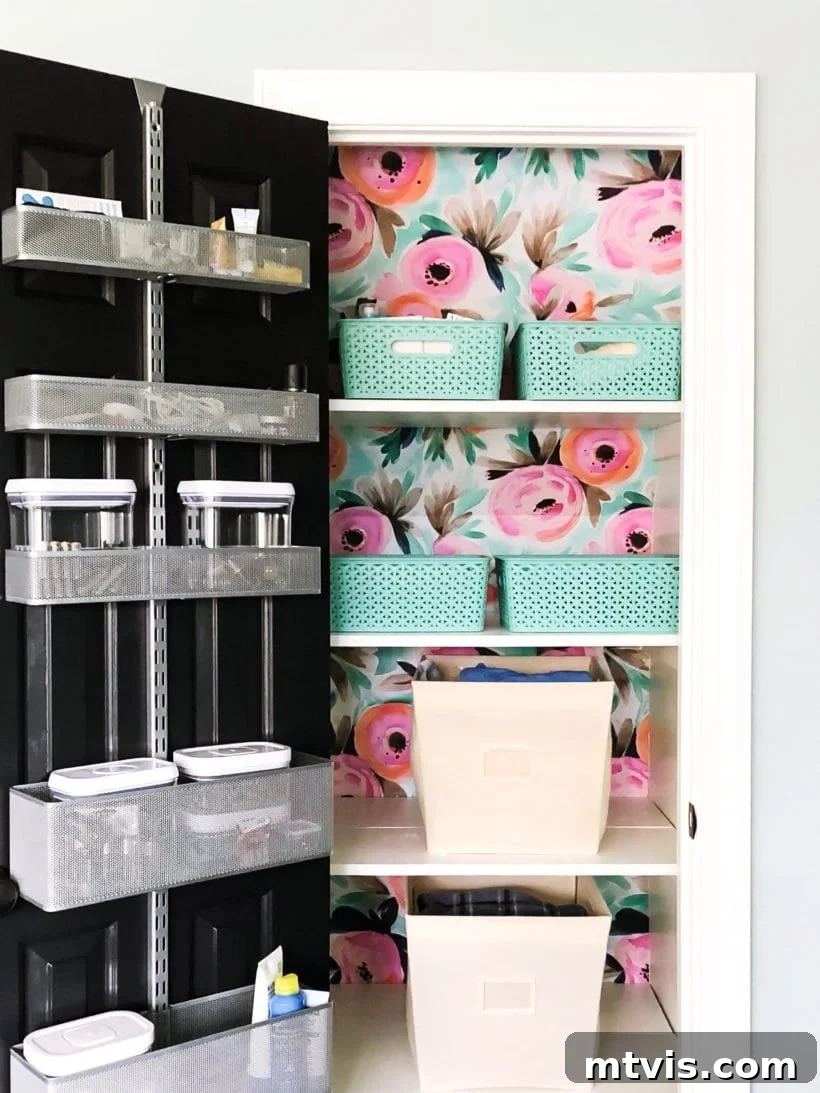
Table of Contents
I distinctly remember when my daughters outgrew their adorable toddler clothes and toys. Initially, I thought getting rid of them would be a breeze. After all, they were just clothes and toys, right? But then I actually looked at those sweet, tiny outfits and well-loved playthings, and a wave of nostalgia washed over me. It was surprisingly difficult. I ended up stashing them in our guest room closet, intending to donate them when I “found the time.” Honestly, I felt myself dragging my feet. It felt less like decluttering and more like parting with cherished memories.
Eventually, the burgeoning mess in the guest room closet became undeniable. It was transforming into a chaotic dumping ground for old bedding, forgotten clothes, outgrown toys, and other random items we hadn’t yet managed to trash or donate. The vision of a clean, inviting room for guests, complete with a usable, spacious closet, finally propelled me into action. I had to rally, put on my determined mindset, and deal with it.
This experience is far from unique. We all have those areas in our homes that desperately need decluttering, but we struggle to push ourselves to organize and make tough decisions about what to keep. It’s not limited to guest room closets; think about the infamous junk drawer, the overflowing pantry, the perpetually cluttered entryway table, our bursting clothes closets, and those mysterious boxes in the attic and basement. Every household has its designated (or accidental) spots where unused items accumulate, becoming monuments to our indecision.
If this post inspires you to genuinely begin your decluttering journey, I highly recommend exploring my realistic guide on how to declutter your home. For an even more streamlined approach, grab my ultimate one-page cheat sheet for decluttering – it’s designed to be helpful without being overwhelming!
How to Handle the Emotions of Decluttering Your Home
Let’s be frank: when it’s time to let things go, to organize, and to clean out your living spaces, it’s often incredibly hard. It’s an inherently emotional process, and at times, it can even be a little painful. We invest so much of ourselves, our memories, and our aspirations into the objects we accumulate. Each item can hold a story, a feeling, or a connection, making the act of parting with it feel like severing a piece of our past.
However, amidst this emotional challenge, there’s also immense reward. Imagine a space that is clean, organized, and truly welcoming. Such an environment doesn’t just look better; it feels calming. Your home should be your personal happy place, a refuge where you can unwind and easily find what you need, rather than feeling like you’re constantly digging your way through chaos. It should be a sanctuary – a source of relief and comfort, not a reflection or extension of the stress and demands of everyday life.
So, are you ready to confront the emotional realities of decluttering? Are you prepared to tackle the underlying feelings that often make this process so daunting? By addressing these emotions head-on, we can begin to transform our homes from cluttered spaces into tranquil havens, allowing us to fully embrace the relaxation and invitation they should offer. Let’s embark on this decluttering mission together!
Why Do We Hold On to Stuff?
If you genuinely want to learn how to let go of clutter, the first crucial step is to understand why you’re holding onto it in the first place. This might sound like advice for a relationship, and in many ways, it is! We often build profound, albeit subconscious, relationships with our possessions.
We form deep emotional attachments to our belongings. We associate them with significant memories: the joyous times, the precious image of our darling little toddlers in matching pink jackets playing gleefully in a pile of autumn leaves, or the laughter shared during family gatherings. These objects become tangible anchors to our past, making them incredibly difficult to release.
We keep gifts, even those we haven’t used and might never use. The wedding presents we received years ago – perhaps that panini press or fondue pot – linger in the back of a cabinet, accompanied by the persistent thought, “I’m sure we’ll need it someday.” Books we plan to read, mementos from special occasions, and souvenirs from memorable trips often fall into this category. They represent potential, goodwill, and experiences, making their disposal feel like a betrayal.
Then there’s the paper: handwritten letters from dear friends, cards from a beloved grandmother who has passed away, the first “report cards” from preschool, and every single piece of crayon-drawn artwork our children ever created. These items aren’t just paper; they are fragments of our personal history, laden with love, connection, and the passage of time.
Ultimately, it’s not about the stuff itself. I know it can feel heartbreaking to even consider letting these items go, but it’s vital to remember that the true value lies not in the physical object, but in the memories and feelings we associate with them. The memories are intangible; they reside in our minds and hearts, not within the plastic, fabric, or paper itself. Breaking down your clutter to its basic components reveals simple raw materials: paper, fabric, wood, metal, glass, and plastic. These materials don’t inherently carry the weight of your past.
Our reasons for holding on are deeply human. We might fear disappointing someone by not using their thoughtful gift. We are inherently nostalgic, and the thought of letting go of those sweet, tiny outfits our girls once wore can be genuinely painful, feeling like we’re losing a piece of their childhood. We’re scared to discard artwork and letters because each creation, each message, holds a precious testament to how much we were cared for, thought of, and loved.
See? I told you. Decluttering your home gets emotional! Are you feeling it now?
But here’s the critical realization: for most of us, we’ve accumulated far more stuff than we actually need or regularly use. In fact, this excess often works against us. Instead of fostering peace and relaxation, it creates obstacles. The sheer volume of our possessions can prevent us from truly relaxing, from easily finding what we need, and from living in harmony instead of constant chaos. What we genuinely need gets buried beneath layers of items we don’t, but still stubbornly cling to. We can’t fully appreciate or enjoy what we own because there’s simply too much to manage.
If your dream is an inviting, clean, restful, and beautiful house, then decluttering is not just an option—it’s a necessity. If you find yourself scrolling through Pinterest or Houzz with longing, wishing your home could mirror those impeccably organized and stylish spaces, know that you absolutely can achieve that vision! The path there begins with cleaning out and organizing. So, prepare yourself mentally. I have full confidence that you can do it!
Getting Past the Emotions With 3 Simple Rules
The most effective strategy to navigate the emotional turbulence of decluttering your home is to establish a clear set of rules for yourself. Now, I understand that many people aren’t naturally fond of rules and restrictions. However, the former lawyer in me knows a fundamental truth: setting clear parameters effectively removes the emotions from decision-making. This approach transforms a subjective, feeling-based task into an objective, logical one.
You see, when you apply a predefined rule to a situation, you eliminate the need to delve into the ‘feeling’ part of decluttering. Instead of agonizing over “Should I keep this because it reminds me of X?” you simply ask, “Does this item meet the established rules?” If it doesn’t, you have a solid, rational basis for letting it go, assured that you’re not holding on purely for emotional reasons. Decluttering, at its core, is a highly rational activity. It’s about optimizing your living space for functionality, peace, and enjoyment.
Ready to simplify the process and regain control? Let’s dive into these three straightforward rules.
Rule #1: Everything Must Have a Home
When I say “home,” I don’t mean a temporary resting spot or a vague category like “the junk drawer.” Every single item in your possession must have a proper, designated, and permanent place where it belongs. This means no more mysterious piles accumulating on the kitchen counter, no items carelessly slung onto the entryway table, and no forgotten objects perpetually residing on the dining room table. These temporary zones are breeding grounds for clutter and contribute to a sense of disarray.
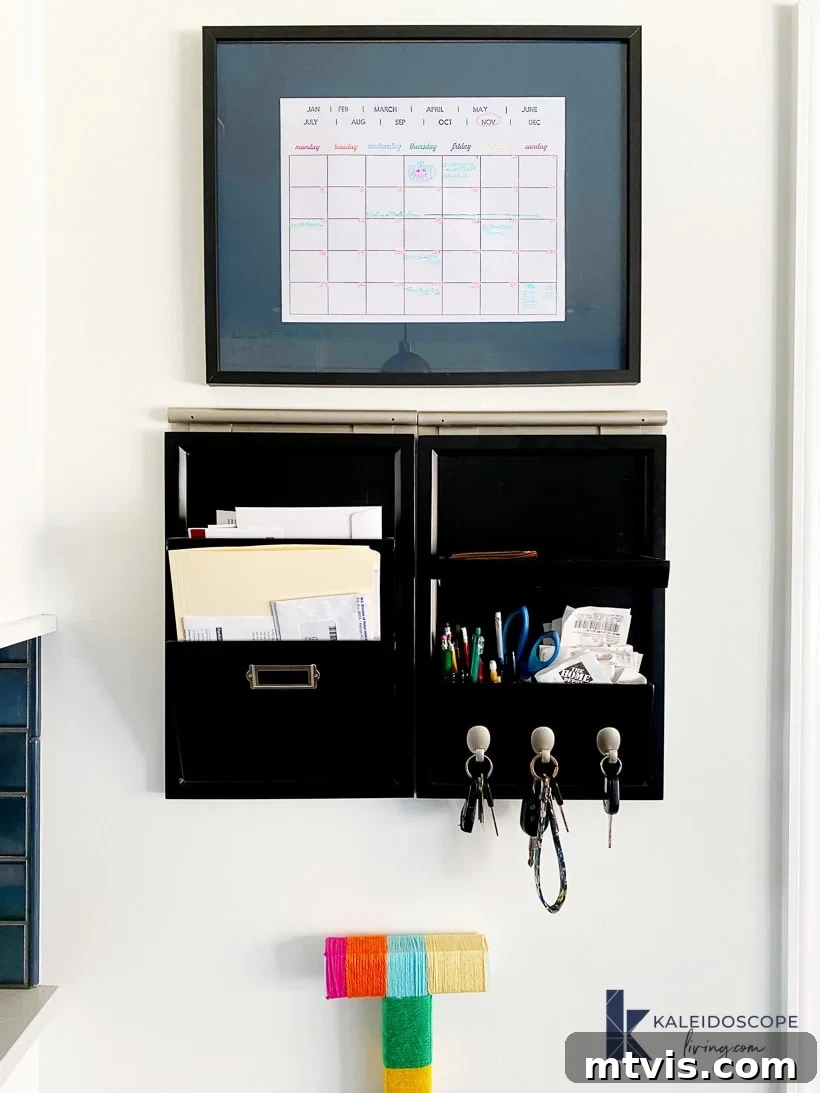
Implementing a family command center, for instance, has been a game-changer for us, drastically reducing the piles of paper that used to accumulate. You can see ours below; it’s instrumental in keeping our kitchen counters clear and functional.
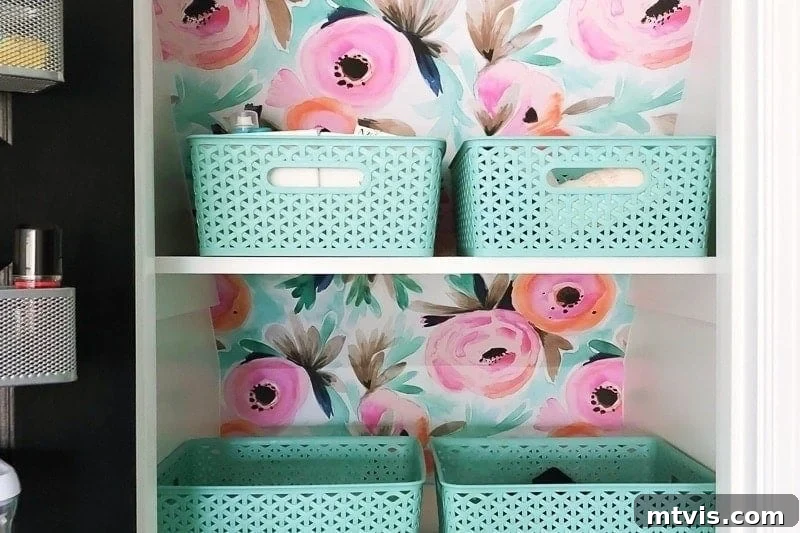
Similarly, our linen closet is meticulously organized, with a specific spot for everything from fresh towels and spare bedding to batteries and medications. Each item has its designated place, ensuring it’s easy to find and put away. If an item doesn’t have a clear home, it often signals that we don’t truly need it, making it a prime candidate for decluttering.
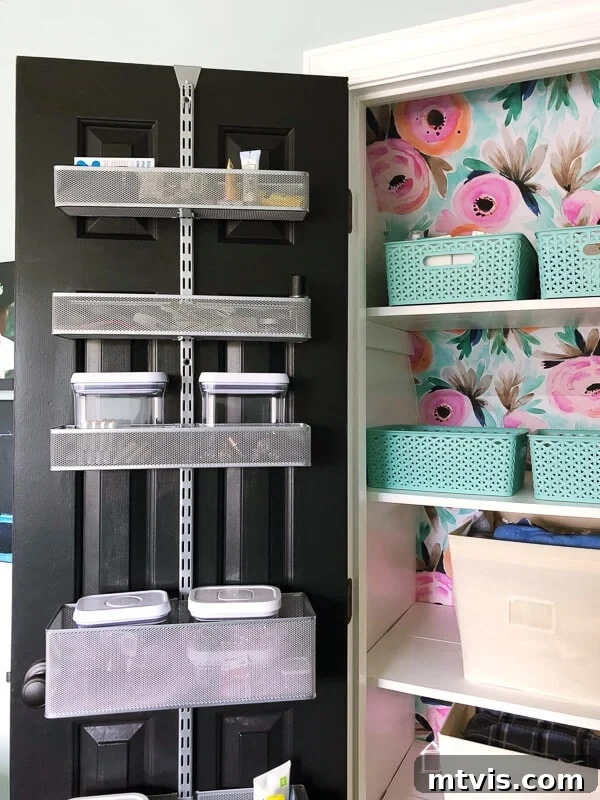
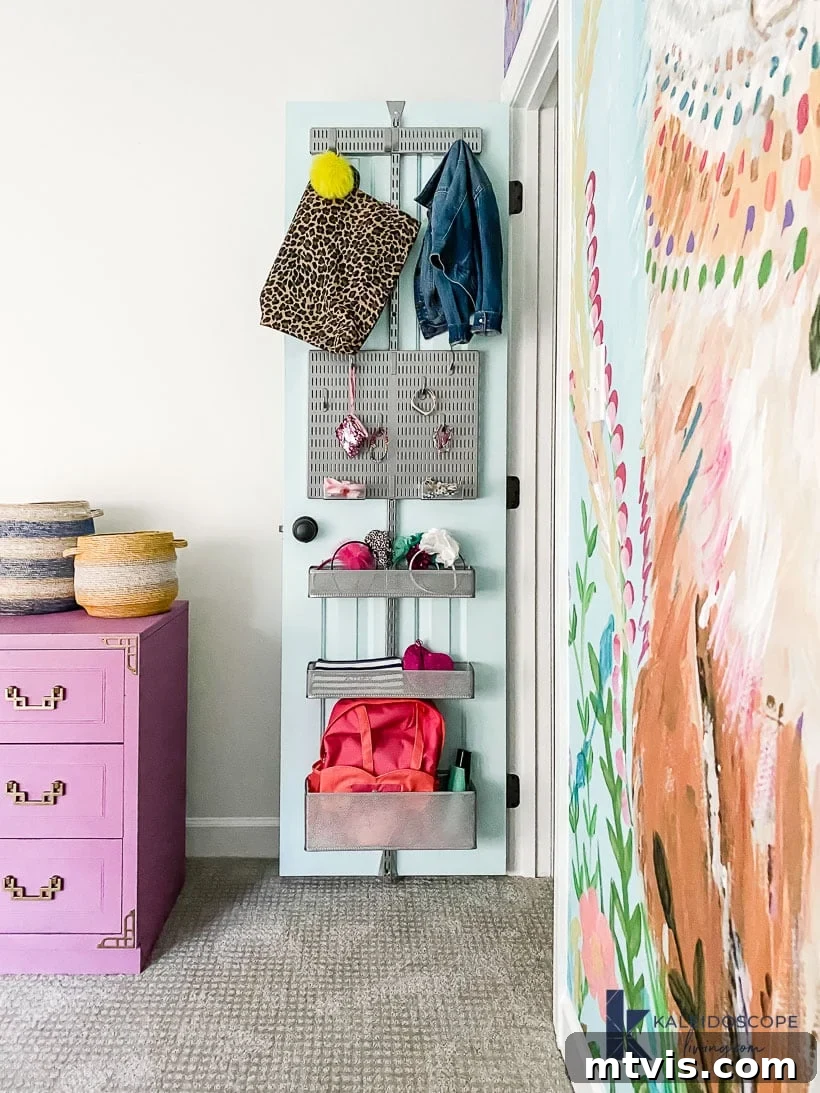
Think about other areas of your home: toys belong in the toy room, neatly stored in organized containers (these are my favorite playroom storage ideas). Books should be neatly arranged on bookshelves, not piled on the floor. Your kitchen cabinets are organized so that you can effortlessly access the tools and ingredients you use daily. Spices should be in a spice rack, and it’s a good time to check their expiration dates – did you know spices lose their potency?! Your closet is organized, with clothes hung carefully on matching hangers. If you consistently can’t find enough space or hangers, it’s a clear signal: it’s time to pare down to only the items you genuinely have space for.
Seasonal items are a reasonable exception to this rule. For example, storing your winter sweaters in a bin during the summer months or packing holiday decorations into boxes in the attic doesn’t mean you need to discard them annually. However, if an entire year passes and you haven’t used those seasonal accessories, then it’s a strong indicator that it’s time to say goodbye. They’ve served their purpose, or their purpose has passed.
The bottom line is simple yet powerful: every single item you own should have a designated, functional home within your living space. This principle is foundational to effective and lasting organization.
Rule #2: Everything Must Have a Current Purpose
This rule tackles one of the most common reasons for clutter: the “someday” mentality. How many of us cling to items with the vague notion that we “might need it someday”? Perhaps it’s that fondue pot or panini press you received as a wedding gift that has sat unused for years. Maybe it’s a collection of your pre-baby clothes, hoping to fit into them again. Or perhaps it’s framed art that you no longer want to hang but can’t quite bring yourself to part with. This future-oriented thinking, while well-intentioned, can be a significant barrier to a clutter-free home.
Holding onto all these “someday” items creates a palpable weight in your home and your mind. It burdens your space with things that aren’t serving you now. The core principle here is straightforward: everything you own, you should truly love or actively use. It should bring you genuine joy – not just a lukewarm “I kinda like this,” but a feeling of real happiness or utility. If an item doesn’t elicit that positive response, or if it doesn’t serve a clear, current purpose, then it’s time to consider letting it go.
Donating or selling items can significantly ease the pressure of feeling wasteful. When you choose to donate an item, you’re not just getting rid of it; you’re giving it a new lease on life. Someone else who truly needs that fondue pot or that mini skirt will be absolutely thrilled to own it! It will find a new home where it will be used, appreciated, and loved by a new owner, fulfilling its purpose in a way it wasn’t in your home.
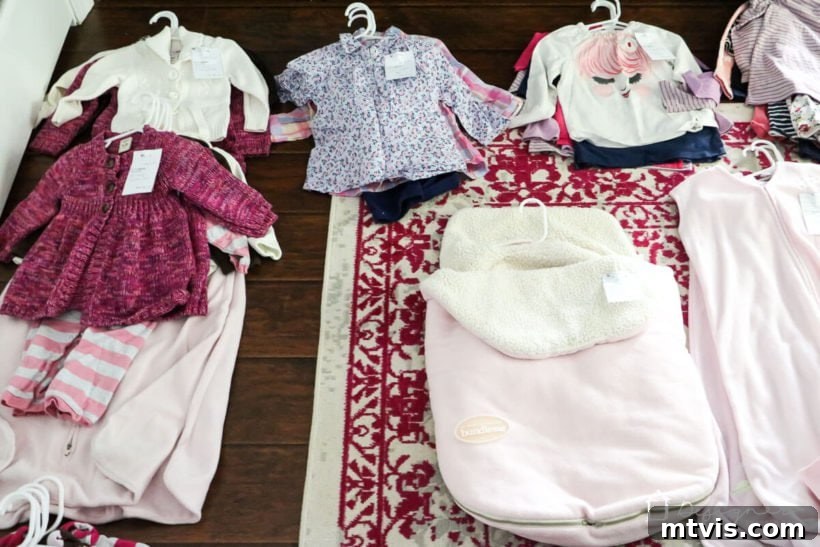
This is exactly how I rationalized parting with my sweet girls’ baby clothes. The idea that another family will get to enjoy seeing their little one(s) in those adorable outfits brings me genuine satisfaction. And selling them at consignment sales, as we recently did, also makes them more accessible and affordable for many families. (I’m planning a dedicated post soon on how to decide what to sell at consignment sales, how to price items, and how to get organized for them – so stay tuned!).
Now, let’s talk about items that are broken, damaged, or simply worn out. For these, the decision should be clear: trash them. Don’t fall into the trap of holding onto items with the intention of repairing them, unless you are genuinely diligent and proactive about repurposing and repairing. If you notice a “to-be-fixed” pile steadily growing in your workspace, it’s time for a reality check. If you’re not going to get around to repairing or repurposing something within the next week or two, take a cue from Elsa of Frozen and just let it goooo. Holding onto broken items only adds visual clutter and mental burden, constantly reminding you of an unfinished task.
Rule #3: Get Rid of it Quickly
Remember my story about the toddler clothes? A significant part of why they ended up cluttering our guest closet for so long was because I failed to stick to this crucial rule. I put them aside, telling myself I’d get to donating them when I had time (because I wasn’t emotionally ready to let go). But as mentioned, I finally got my act together and successfully sold many items at a consignment sale. Anything that didn’t sell was immediately donated. And just like that, those clothes were finally out of our house, destined to be used and loved by another family. What a relief!
Here’s the essential truth: if you set items aside to donate or sell, but they end up lingering in the trunk of your car, gathering dust in the garage, or sitting in a forgotten corner for months, you haven’t actually decluttered. You’ve simply relocated the clutter, shifting it from one visible spot to another less visible, but equally burdensome, storage area. This prolongs the emotional attachment and delays the true benefit of a clear space.
Instead, when you make the firm decision to get rid of an item, commit to making it happen immediately. Don’t delay. Plan a trip to Goodwill, St. Vincent DePaul, or your local donation center within a day or two. If you’re selling, set up an app like eBay or Facebook Marketplace on your phone. Snap photos as you go, post them, and sell the items as quickly as possible. To truly enforce this rule, set a short deadline for yourself – two weeks, maximum. If an item isn’t gone by that deadline, it goes straight into the trash. This might sound drastic, but it prevents indecision from turning into perpetual clutter.
This old photo, for instance, shows the results of a decluttering and organizing session my girls and I undertook in their playroom. All the items we decided to let go of were loaded into bags and donated just two days later. We didn’t allow them to linger, and the immediate action made a huge difference.

For paperwork, photos, and other precious memorabilia, the approach should also be swift and decisive. Deal with it promptly: scan and save important documents (I highly recommend going paperless where possible!). Only keep the absolute best of the best physical copies. If a piece of paper isn’t scrapbook-worthy, frameable, or strictly needed for legal/tax purposes, then it only contributes to the overwhelming paper clutter. Digital storage offers a fantastic alternative for preserving memories without sacrificing physical space.
Finally, for items that are too worn out to sell, or if you simply can’t muster up the motivation to donate, sell, or repurpose them quickly, then tossing them out is often the best solution. Throw them away. It sounds harsh, I know, and many of us genuinely dislike being wasteful. I myself love repurposing items – you can see how we transformed our old backyard fence into a stunning herringbone plank wall, and how we crafted planters from old light fixtures. However, if the intention of repurposing becomes another form of procrastination that holds you back from achieving a clutter-free home, you will ultimately feel a profound sense of relief once those items are truly gone.
When we hold onto excessive stuff, it creates an invisible weight on our shoulders and in our living spaces. It introduces chaos into our daily lives and adds unnecessary stress to our homes. What should be cozy and comforting can quickly become suffocating. If you’re now emotionally ready to begin the transformative journey of decluttering your home, I have a wealth of resources designed to guide and support you every step of the way! Be sure to check out the episode of our podcast where we discuss how to manage your home when you start feeling overwhelmed by possessions: “What to Do When Your House Feels Overstuffed.”
You may also find these posts incredibly helpful for your decluttering and organizing efforts:
- How to Declutter Your Home: A Realistic Guide
- Linen Closet Organization: 7 Simple Tips for a Pretty and Functional Linen Closet
- How to Organize Your Life With Work + Kids
- Coat Closet Organization for Under $100
- The Best Ways to Keep Your House Clean With Dogs
- Mind-Blowing Alexa Hacks that Make Life Easier
Curious about how I approach transforming rooms and spaces within our own home? Discover the strategies and insights in Designer in a Binder® – your affordable and straightforward guide to decorating.
For exclusive content, behind-the-scenes sneak peeks, and fresh inspiration delivered straight to your inbox, don’t forget to subscribe before you leave!