Thoughtfully designed playrooms are dynamic spaces that ignite creativity and imagination in children of all ages. Beyond mere entertainment, they serve as crucial environments for fostering development, encouraging exploration, and providing a dedicated sanctuary for play. However, balancing this whimsical vision with practicality and functionality is key to a truly successful design. The good news is that it’s entirely possible to create a harmonious play zone that remains tidy and organized, rather than a chaotic mess. Even a small nook or a spare room can be transformed into an incredible haven for kids, proving that size is less important than thoughtful planning and execution.
If you’ve ever pondered, “What essential elements should a playroom include?” or “How can I decorate an engaging playroom without breaking the bank?” — you’ve arrived at the perfect resource. This comprehensive guide will walk you through my expert advice and creative strategies for decorating a playroom that is not only endlessly fun and undeniably stylish but also supremely functional and adaptable as your children grow.
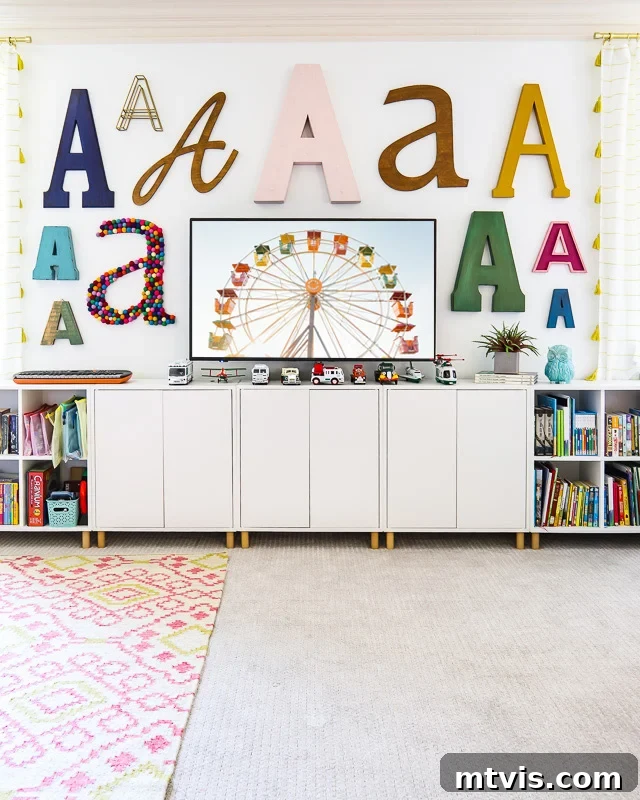
Table of Contents
How to Decorate a Playroom: General Tips for Success
Having designed numerous playrooms over the years, from toddler-focused spaces to what we now affectionately call our “family bonus room” (though it’s undeniably still a playroom, just with a cooler name for the pre-teen crowd!), I’ve gained valuable insights. These spaces remain vibrant hubs for physical activity, creative games, and endless family fun.
Before diving into the specifics of decor, it’s crucial to establish a cohesive design plan. This foundational step ensures that every element works together harmoniously, creating a space that is both visually appealing and highly functional. If design planning feels daunting, I highly recommend exploring resources like Designer in a Binder®, a proven system that simplifies the entire process. Drawing from extensive experience with kid-friendly spaces, let’s explore the fundamental “big picture” principles for playroom decorating.
When approaching the design of a child’s playroom, aiming for both functionality and style, your primary focus should encompass three key objectives:
- **Cultivating a Flexible and Adaptable Space:** Children grow rapidly, and their interests evolve just as quickly. A well-designed playroom should be versatile enough to accommodate a variety of activities and ages. This foresight is particularly important for families with multiple children, ensuring that the space remains engaging and enjoyable for everyone, from preschoolers to pre-teens. Think about how furniture can be rearranged or repurposed as needs change.
- **Selecting Durable and Timeless Décor and Furniture:** Invest in pieces that can withstand the rigors of play while also having a classic appeal that transcends fleeting trends. Choosing items that you and your children will continue to appreciate as they mature avoids the need for frequent, costly renovations. Durability also means materials that are easy to clean and maintain, a non-negotiable for any child’s space.
- **Integrating Ample and Versatile Storage Solutions:** A playroom can quickly become overwhelmed with toys, crafts, and games. Effective storage is the cornerstone of an organized and functional play area. Look for solutions that can neatly stow away everything from tiny toy pieces for younger children to larger board games and books for older kids, keeping clutter at bay and encouraging independent clean-up habits.
With these overarching goals firmly in mind, let’s explore the exciting specifics of playroom design!
Inspiring Playroom Décor Ideas to Spark Joy and Creativity
Incorporate Vibrant Color & Engaging Patterns
While many of us appreciate the calming influence of neutral decor, a playroom, by its very nature, is a space meant to energize and inspire. Bright, cheerful colors are unparalleled in their ability to stimulate imagination and create a vibrant atmosphere. This doesn’t mean resorting to jarring neon shades; rather, it’s about crafting a lively, energetic color palette that feels inviting and fun. Consider a spectrum of primary or secondary colors, or even a sophisticated blend of bright hues that complement each other.
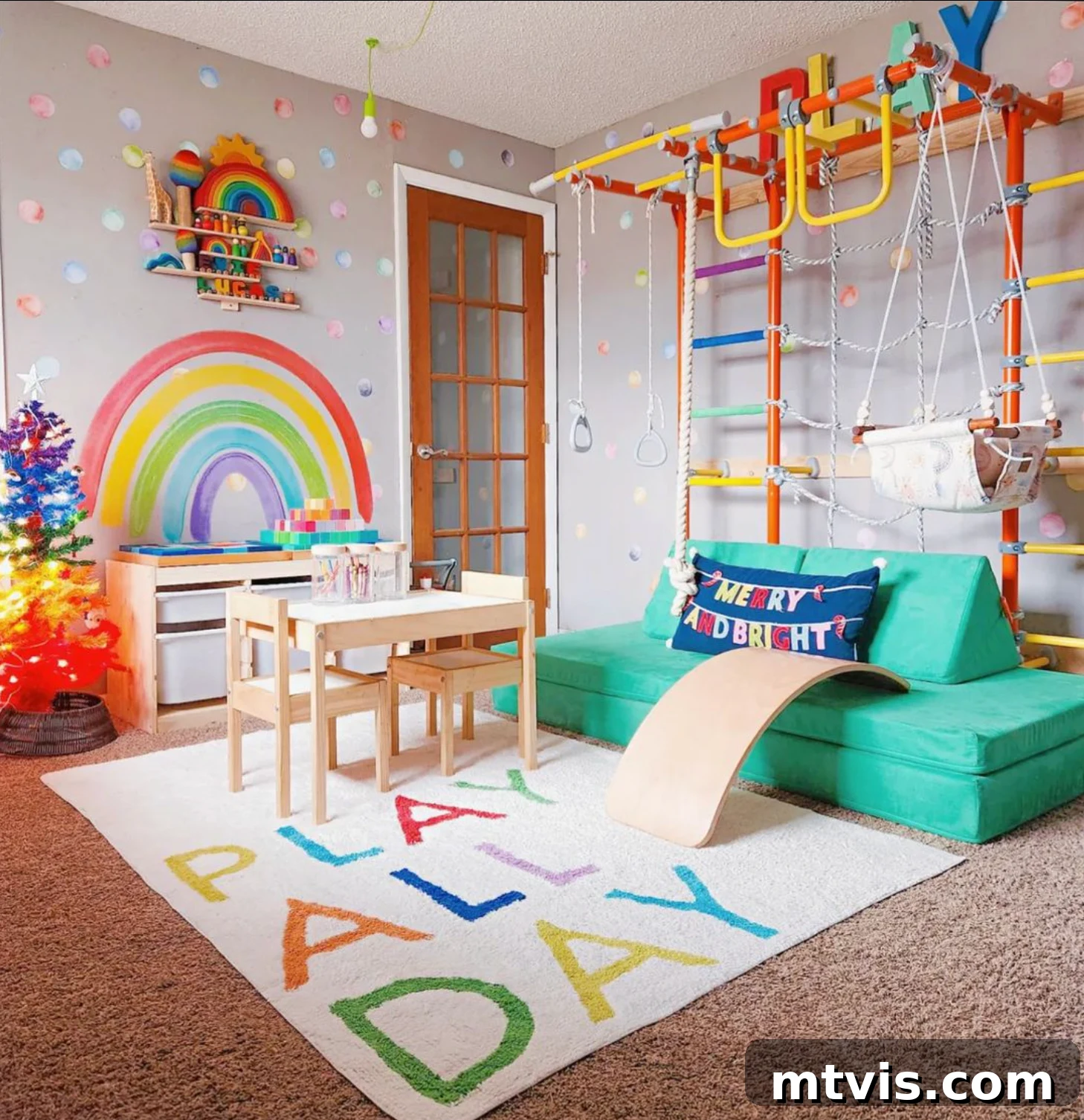
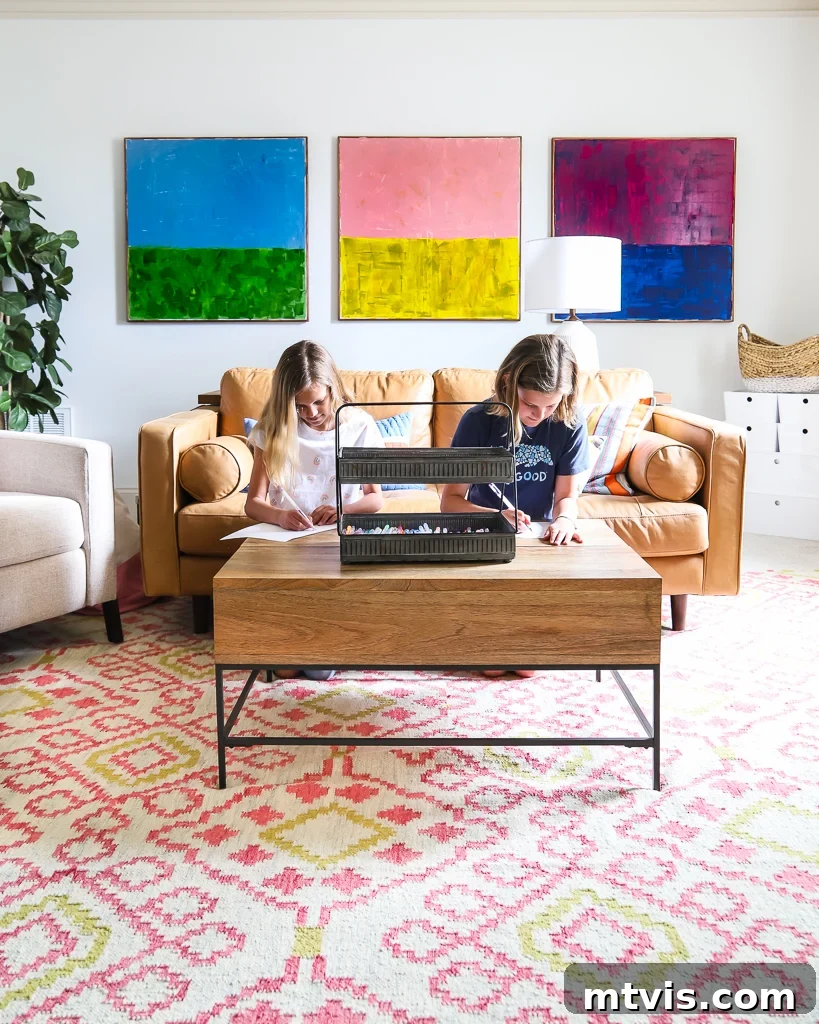
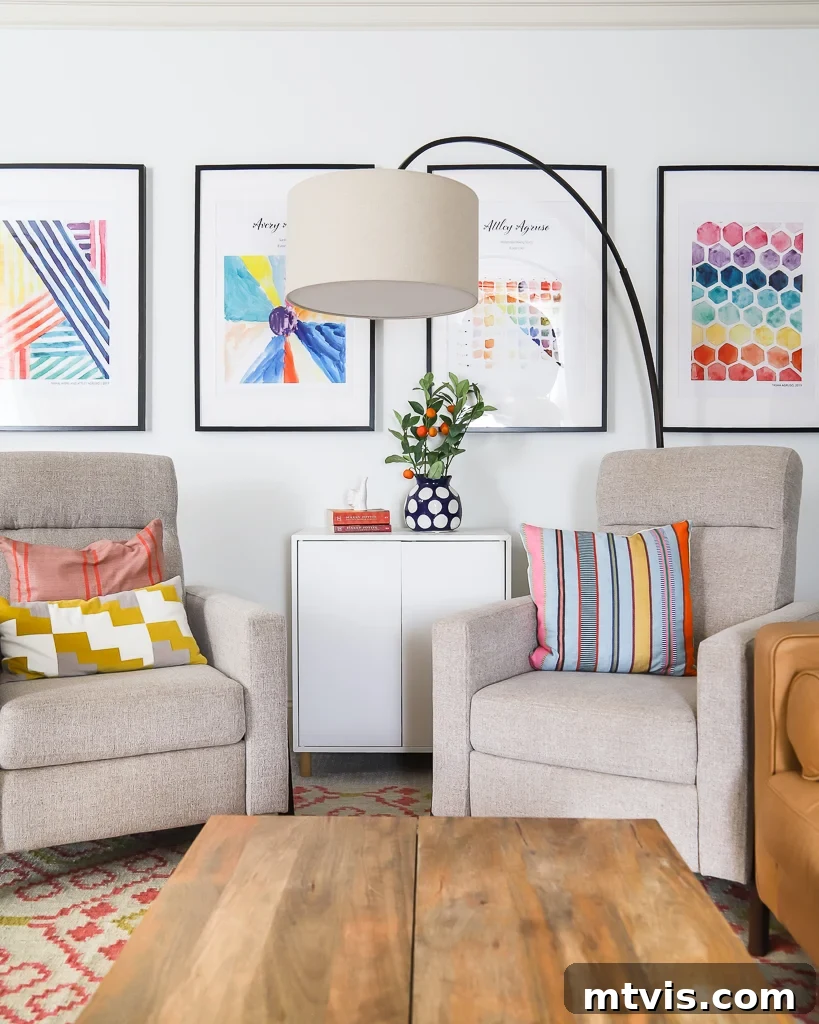
Beyond painting the walls, think creatively about integrating color and pattern through various decor elements. Large, soft rugs can introduce bold geometric designs or playful motifs, while an assortment of throw pillows on a cozy bench can add pops of color and texture. Artwork, whether framed prints or your children’s own masterpieces, is another fantastic way to infuse personality and vibrancy. Even choosing colorful storage bins or playful curtains can contribute to the overall energetic ambiance, making the space feel dynamic and engaging.
Utilize a Fun Wallpaper for an Accent Wall
A playroom offers the perfect canvas for bold design choices that might feel overwhelming in more formal areas of your home. Introducing a playful wallpaper on an accent wall is an excellent way to inject a significant dose of color, pattern, and personality into the space. Imagine a wall adorned with whimsical animals, a fantastical map, geometric shapes, or even a subtle starry night sky. The right wallpaper can instantly transform the room, creating a captivating focal point and a unique atmosphere. With options ranging from easily removable peel-and-stick wallpapers to more permanent traditional designs, you can select a pattern that sparks joy and adds a touch of magic without a full-room commitment. This design element not only looks fantastic but also defines the character of the playroom, setting it apart as a truly special area dedicated to children’s imaginative pursuits.
Include Ample Storage for Crafts & Toys to Maintain Order
When it comes to maintaining a tidy and functional playroom, versatile and simple playroom storage is your ultimate ally. From personal experience, I’ve found that a thoughtful combination of open and closed storage solutions works best. This dual approach allows you to showcase appealing items like books and favorite larger toys, while cleverly concealing clutter and less aesthetically pleasing essentials.
Look for furniture pieces that offer multiple functions. Closed cabinets are invaluable for hiding away items you prefer not to have on constant display, such as art supplies, board games, or seasonal toys. Conversely, open shelves and cubbies are ideal for displaying beloved books, frequently used toy bins, or decorative items. This balance ensures that the playroom feels inviting and organized, rather than overwhelming. To get a clearer idea of effective storage strategies, you can explore detailed tours of well-designed bonus rooms and play spaces that exemplify these principles.
(Video: Bonus Room/Playroom Storage Ideas)
Modular Cabinets for Adaptability
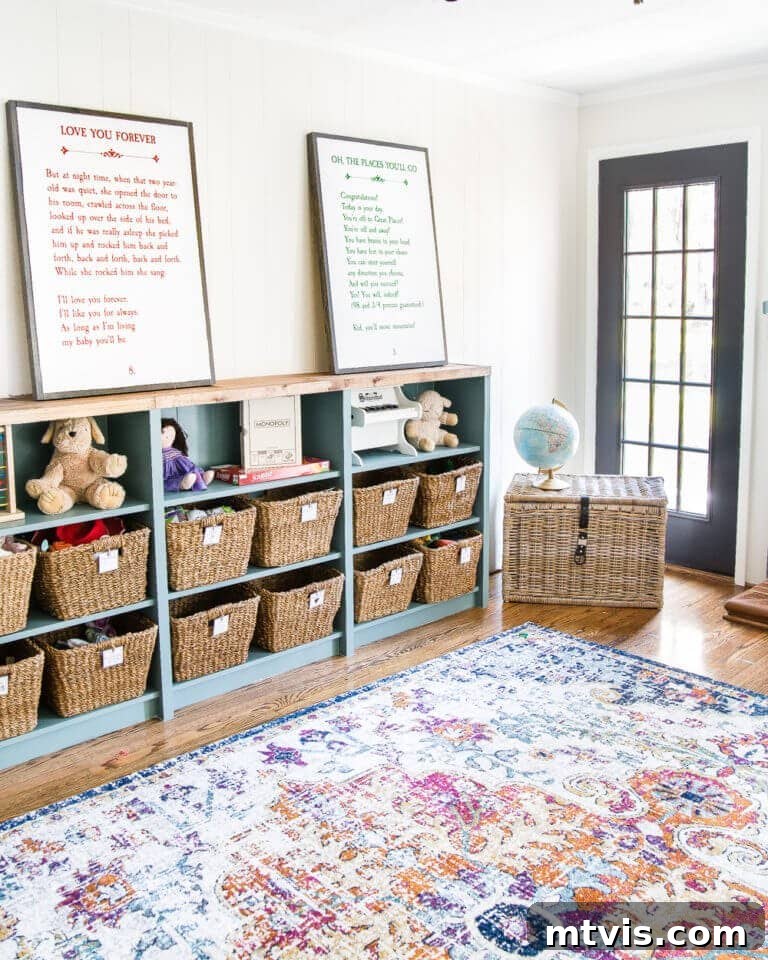
Modular cabinets offer an incredibly budget-friendly yet sturdy solution for playroom storage. Systems like those from IKEA, often used in many homes, provide remarkable flexibility. Their modular nature means you can customize configurations, blending closed cabinets for concealed storage with open shelving units for books and decorative displays. This adaptability allows you to create a personalized storage system that evolves with your children’s needs and keeps the space efficient and organized. These units are also robust enough to handle daily use, making them a smart long-term investment for any play area.
Bookcases for Learning and Display
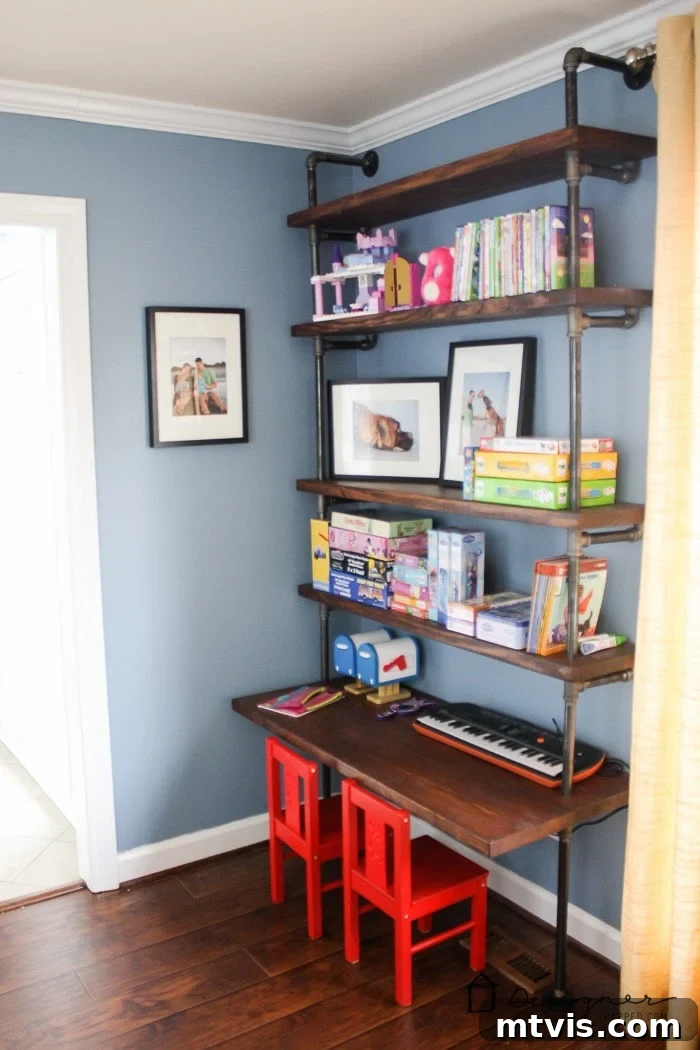
Bookcases are not just for books; they are essential for organizing a plethora of items in a playroom. Custom-built solutions, such as DIY pipe shelves and integrated desks, can add significant storage capacity while also providing dedicated areas for creative activities like drawing or puzzle-solving. These bespoke units maximize vertical space and integrate seamlessly into the room’s design. Additionally, clever hacks, like transforming affordable IKEA bookcases into more polished, built-in-looking storage units, offer a stylish and cost-effective way to achieve abundant organization.
And the beautiful bookcases below are actually a genius IKEA bookshelves hack. Affordable, stylish, and functional!
Baskets and Bins: The Secret to Tidy Play
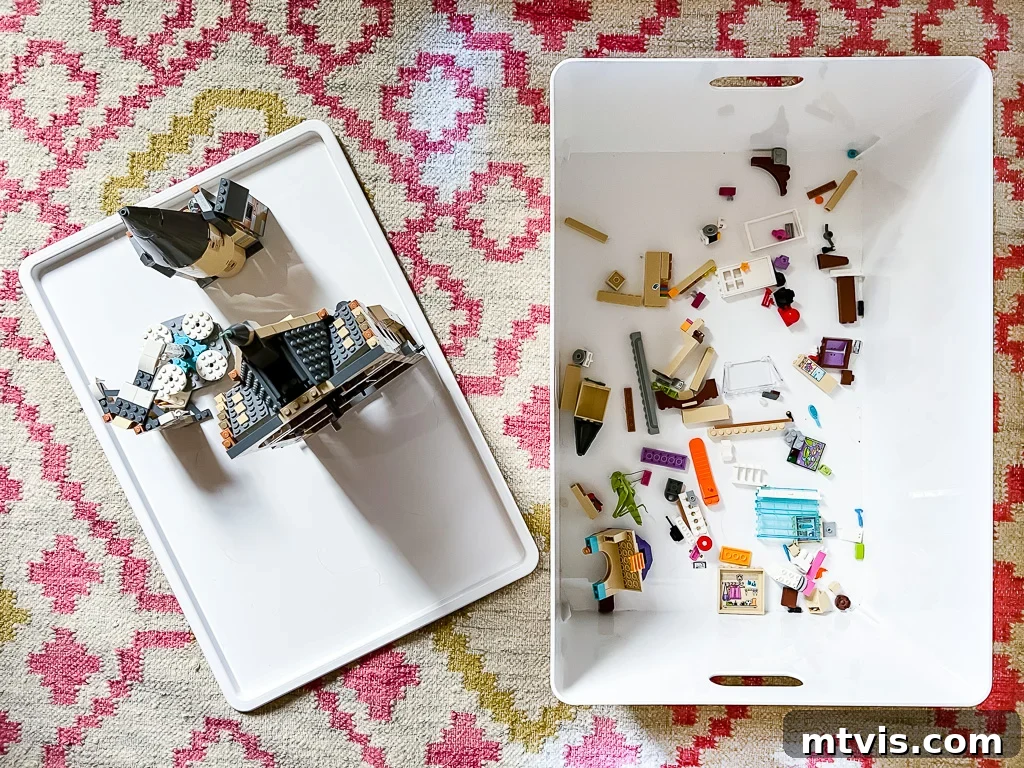
For smaller items like building blocks, dolls, art supplies, or action figures, baskets and bins are indispensable. They provide an easy, accessible, and often stylish way to keep numerous small pieces organized. I particularly favor lidded bins that can stack, offering a flexible and space-saving solution for almost any type of toy. For instance, IKEA Kuggis storage bins are an excellent choice – they are affordable, durable, and designed to stack perfectly. Their various sizes allow for segregation of different toy sets, and their capacity often means larger assemblies, like intricate Lego creations, can be stored without being disassembled. This not only keeps the playroom neat but also simplifies cleanup, empowering children to manage their own belongings. Notice how these bins seamlessly blend into the background, providing practical storage without drawing unnecessary attention.
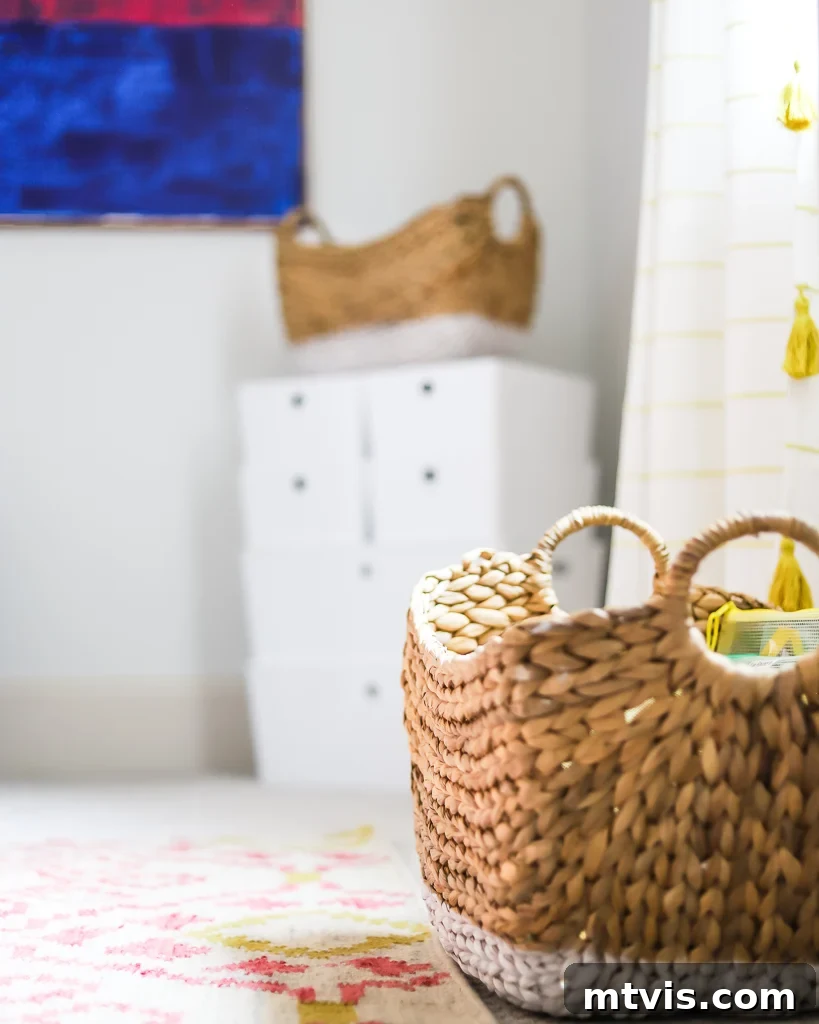
The beauty of these lidded bins lies in their dual functionality: they act as containers and also as building blocks for children’s imaginative play. This makes them easy to move around during play sessions and incredibly simple to stack and put away when playtime is over, fostering a sense of order and independence.
Include Storage Furniture for Clever Solutions
Maximizing space with multi-functional furniture is a hallmark of intelligent playroom design. A storage bench or a window seat, for instance, serves a dual purpose: it offers comfortable seating while providing discreet storage for items like board games, blankets, or oversized toys. In a previous family setup, a storage bench effectively housed all our board games, proving its worth beyond simple seating.
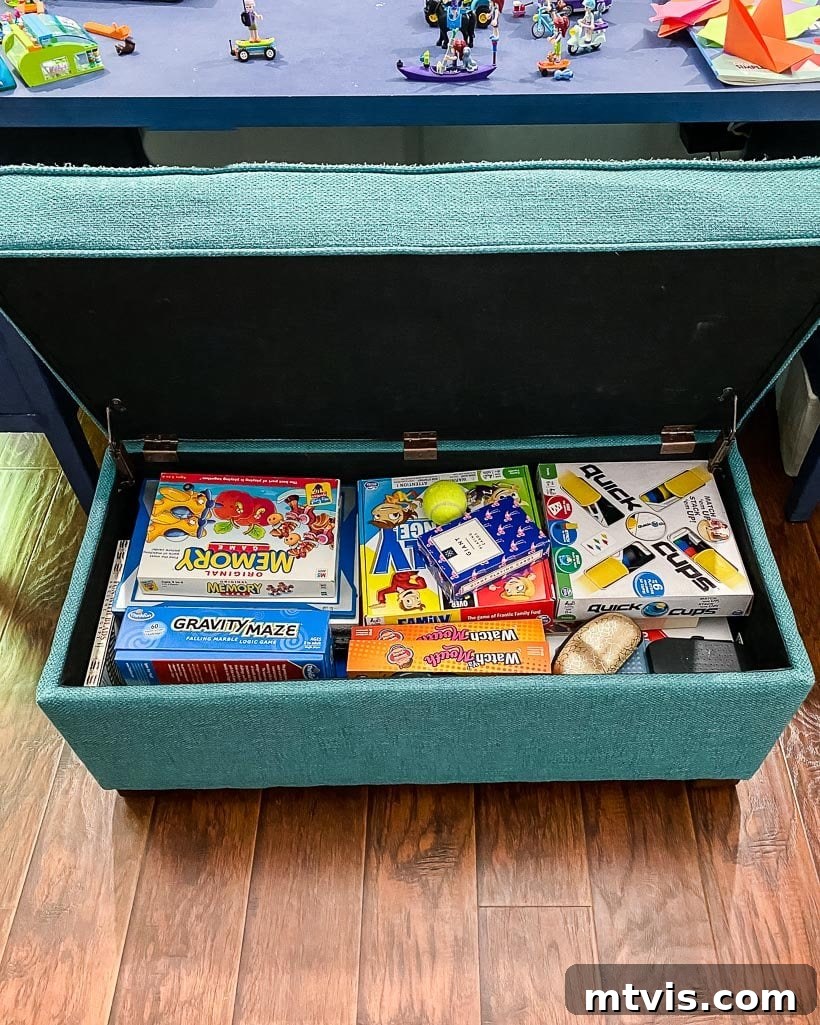
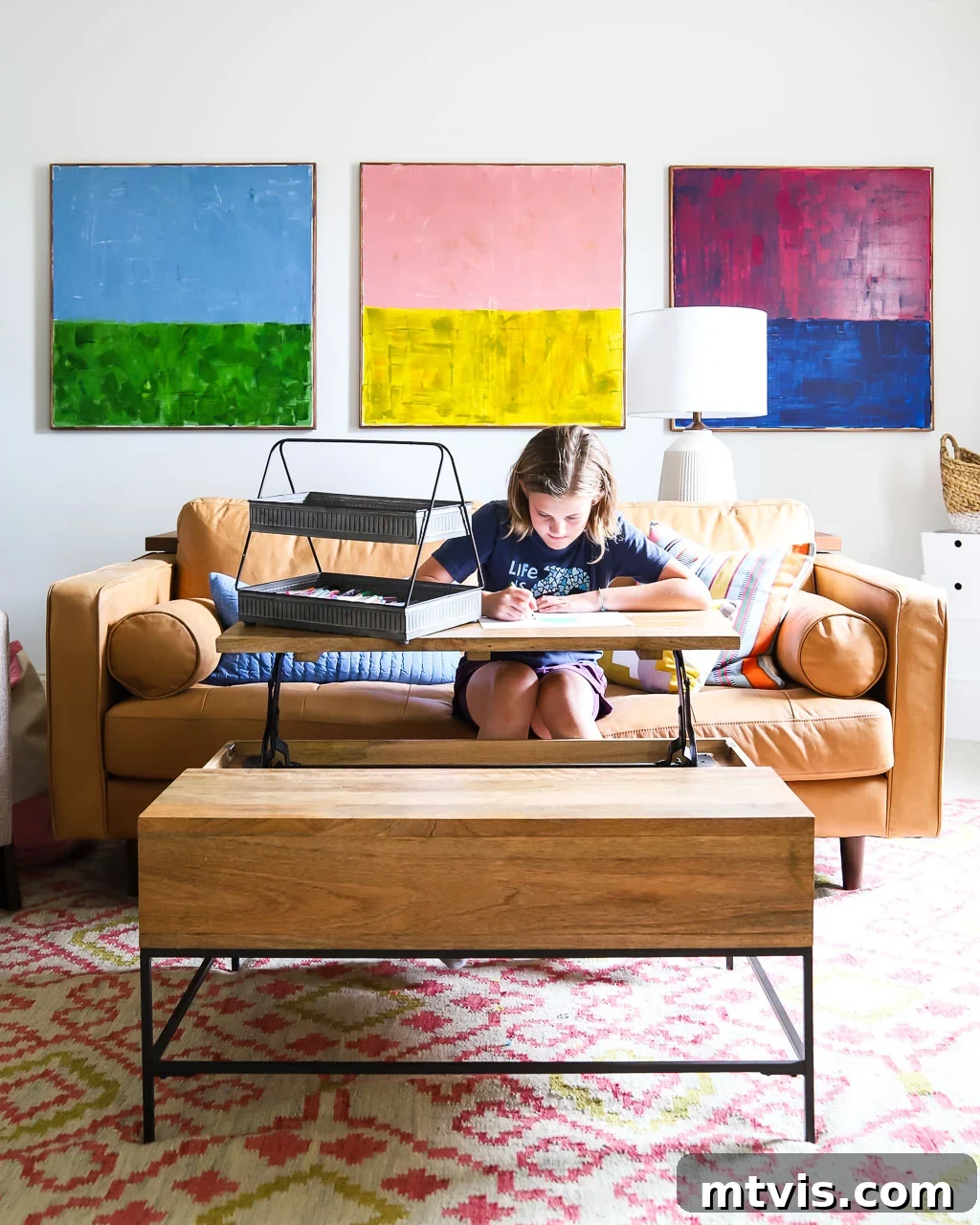
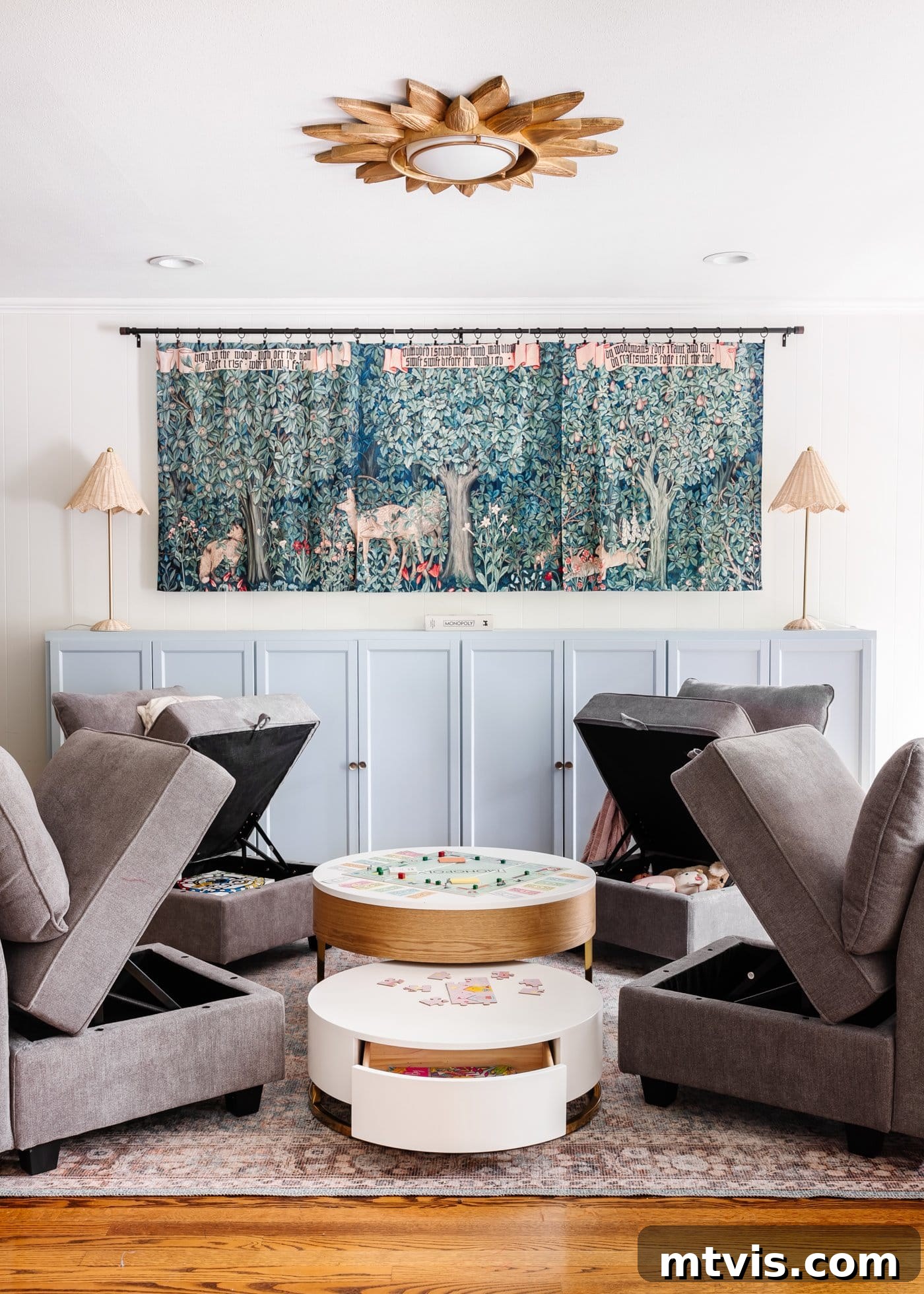
Another brilliant example is a storage coffee table, especially those with lift-top mechanisms. These unique coffee tables are not only excellent for storing items but also transform into convenient surfaces for drawing, crafting, or even casual homework sessions. They offer a versatile workstation that can be easily tucked away when not in use. Additionally, innovative storage chairs and modular coffee tables with hidden compartments are genius additions, seamlessly blending style with practical toy organization, making them perfect for modern playrooms seeking both aesthetics and utility.
And these incredible storage chairs and coffee tables are GENIUS! They add style and function to this modern playroom space.
Add Visual Interest to the Ceiling for an Unexpected Touch
Playrooms are the ideal environment for embracing whimsical and unexpected design elements, and the ceiling offers a fantastic, often overlooked, opportunity. Adding interest to the ceiling can create a magical, immersive experience for children. Imagine simple gold star decals scattered across a sky-blue ceiling, transforming the room into a nocturnal wonderland – a truly impactful ceiling idea that adds charm without significant effort. This unique touch stimulates imagination, inviting children to gaze upwards and dream.
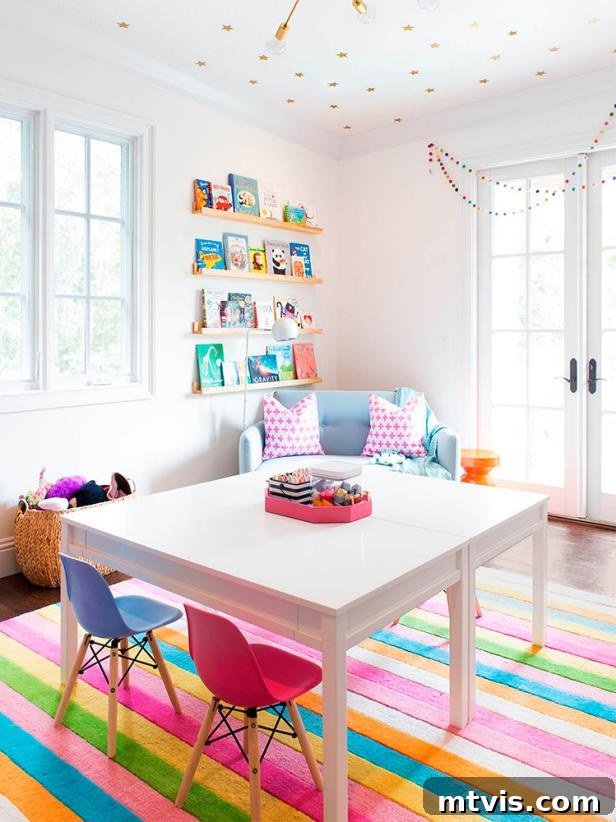
For those looking to elevate the whimsy even further, consider a ceiling treatment that mimics a circus tent or a cloud-filled sky. These bold designs not only add a playful touch but also create a sense of adventure and wonder, making the playroom truly unforgettable. Such creative ceilings can become a central design feature, enhancing the overall theme and imaginative potential of the space, turning it into a truly enchanting hideaway for little ones.
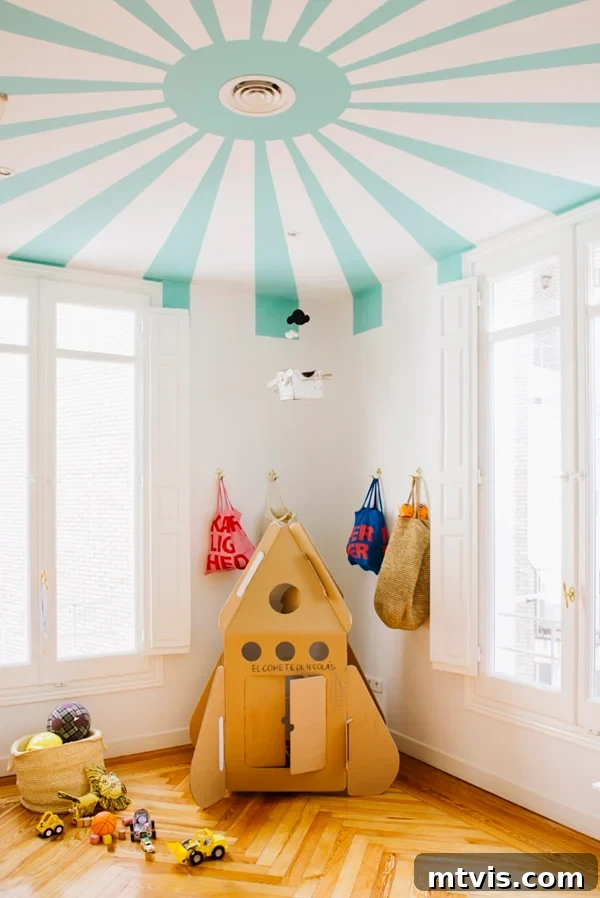
Incorporate a Desk or Table for Homework & Crafts
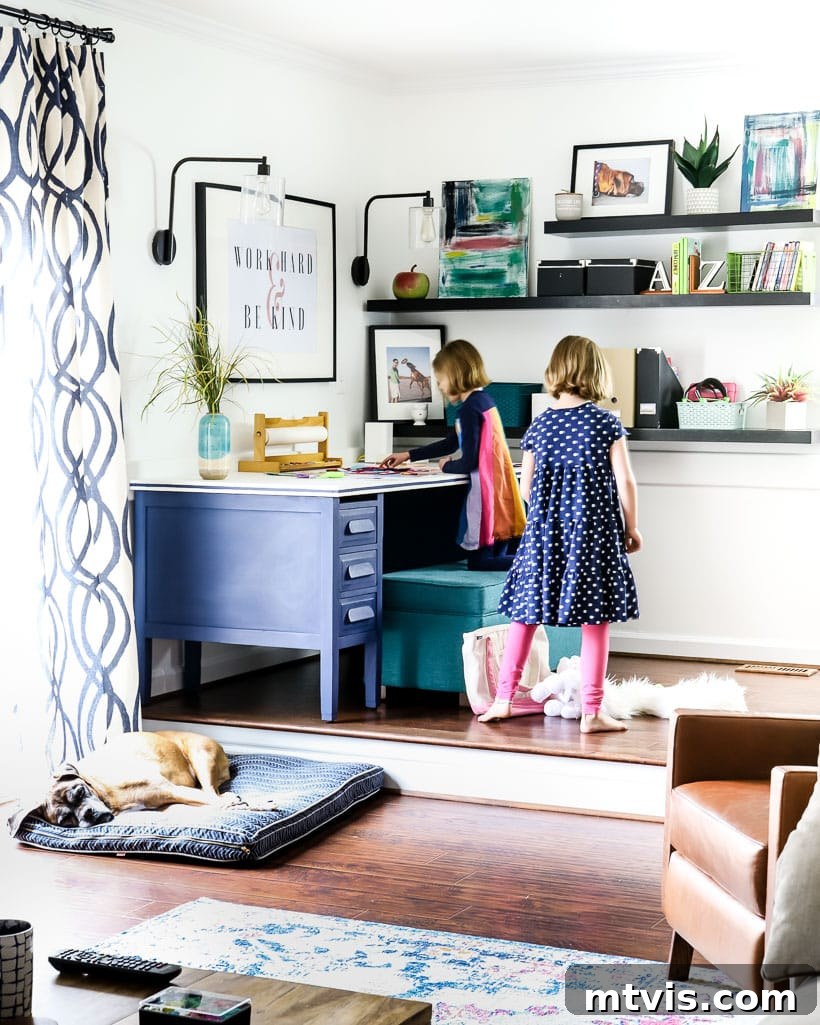
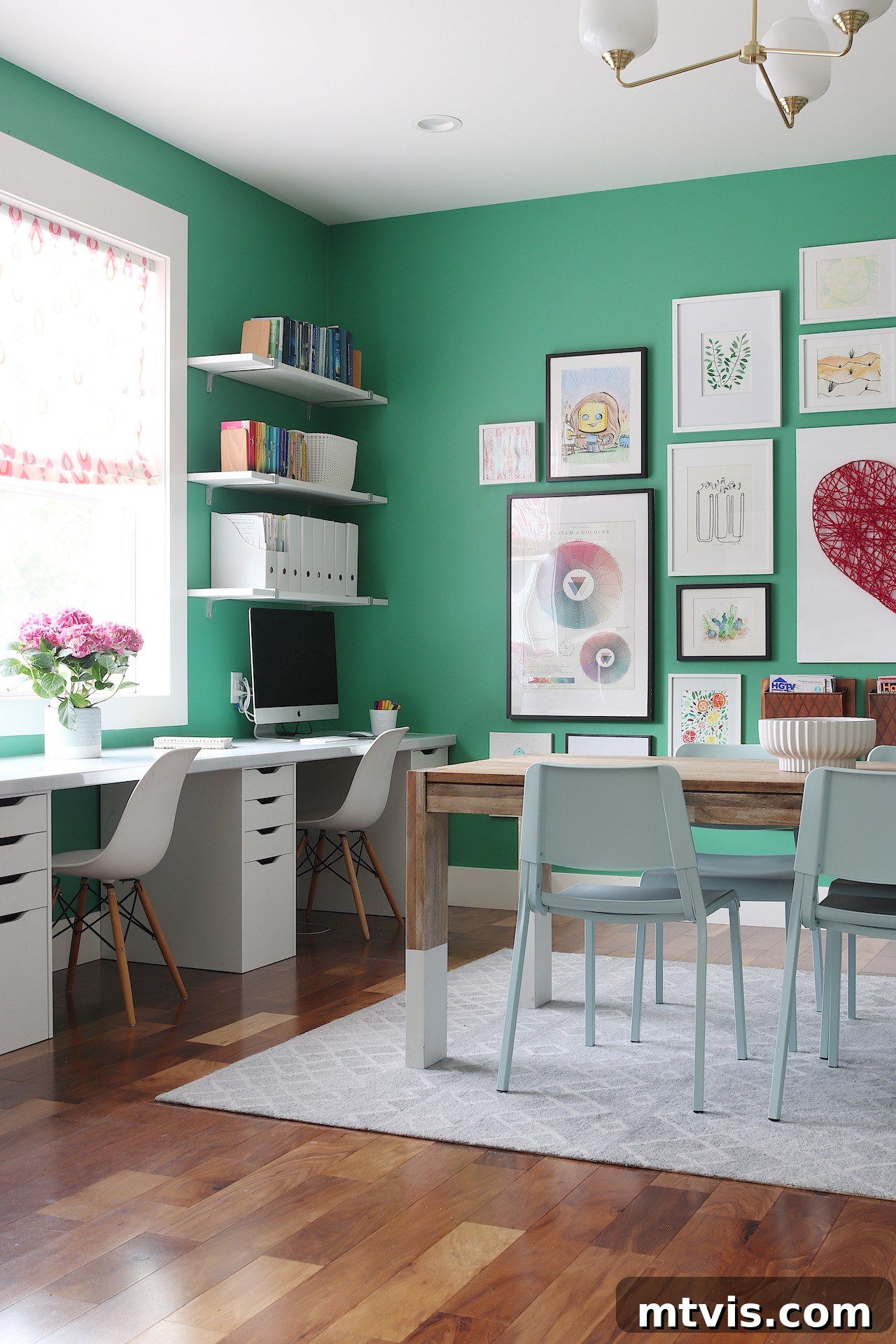
A large, dedicated table or desk is an absolute must-have in any well-equipped playroom. These surfaces are not just for playtime; they become invaluable for a multitude of activities, serving as a hub for creativity and learning. Desk drawers are perfect for neatly storing art supplies like crayons, markers, and paper, keeping them organized yet easily accessible. The expansive surface area provides ample room for children to spread out with craft projects, assemble intricate puzzles, design friendship bracelets, or even tackle homework assignments.
For younger children, choosing a kid-sized table and chairs is paramount. The right ergonomics ensure comfort, encouraging them to spend more time engaged in these activities. As children grow, a larger, more adult-sized desk can seamlessly transition with them. In a flexible bonus room setting, a long desk placed behind a sofa can serve this purpose beautifully, with stools that tuck neatly underneath when not in use, maximizing open floor space. For older kids, who might require a more focused study area, a dedicated homework zone with both a large craft table and an individual desk provides the ultimate setup for both academic work and creative endeavors.
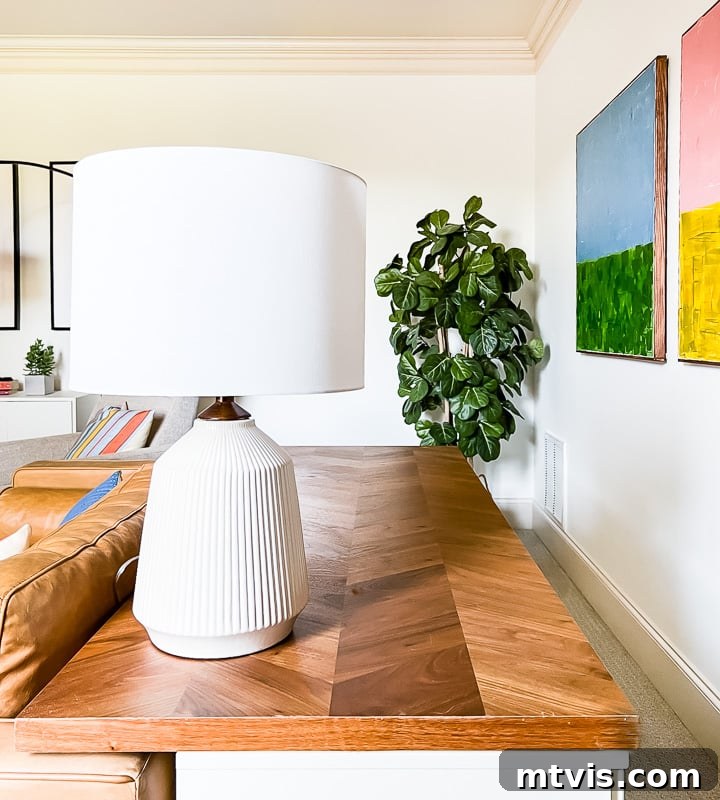
You may want to choose a kid-sized table and chairs for younger children. The more comfortable they are, the more they will use it!
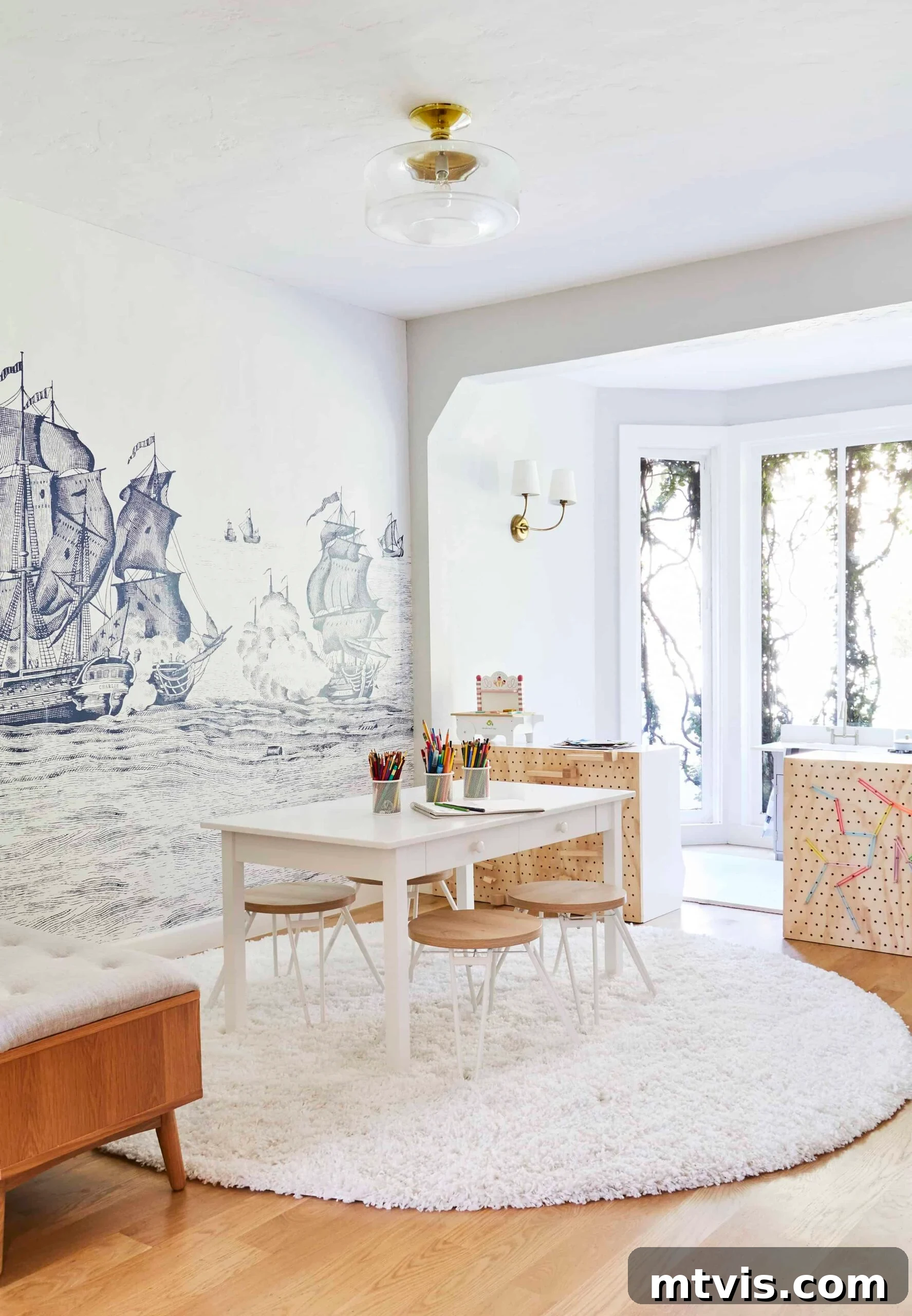
For older kids needing less floor space, you might even want a large table AND a desk area for a homework zone.
Prioritize Comfortable Seating Options for Relaxation and Play
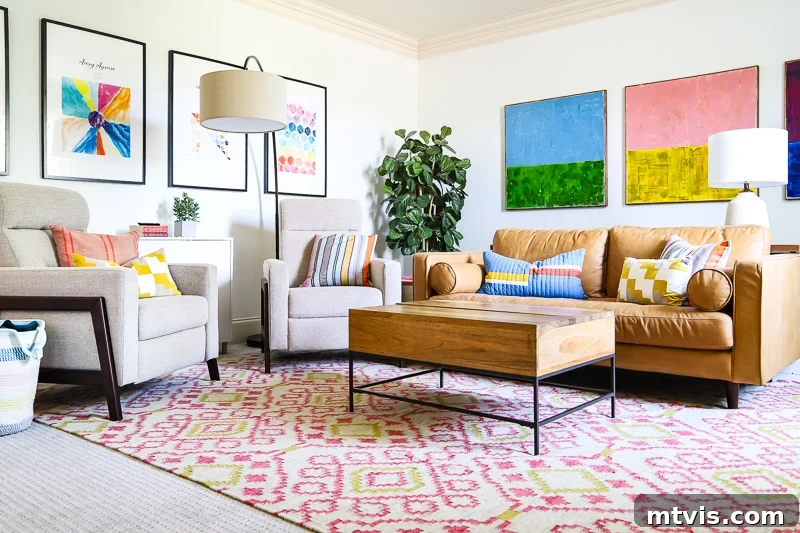
Every well-designed playroom benefits immensely from comfortable seating, providing a cozy reading nook or a perfect spot to curl up for a family movie night. The key is to select durable furniture, ideally in materials like leather or high-performance fabrics, which can withstand the wear and tear of active play and are easy to clean. Flexibility is also crucial: choose pieces that can be easily reconfigured as your children grow and their usage of the space evolves. Rather than a large, immovable sectional, consider individual sofas, loveseats, or stylish recliners that can be rearranged to create more open floor space for active play or adjusted to form new conversational zones.
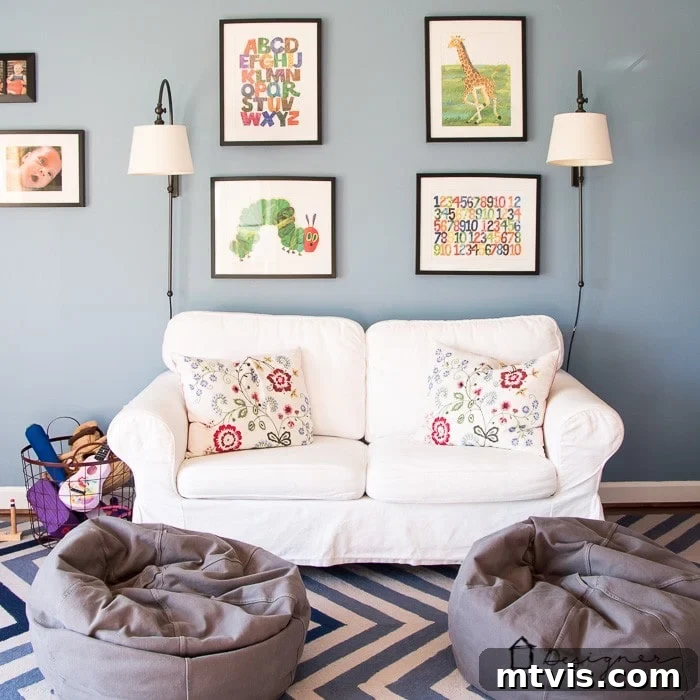
In our first playroom, a small loveseat paired with super comfy bean bags was a huge hit; while adults often gravitated to the loveseat, the bean bags were almost exclusively used by the children, showcasing their preference for relaxed, kid-friendly options. In our current bonus room, a leather loveseat combined with two stylish recliners offers ultimate flexibility. These separate pieces have allowed us to easily adapt the room’s layout multiple times to better suit our girls’ changing needs, proving more versatile than a single, large seating unit. Similarly, combining one large sofa with a smaller loveseat also offers a good degree of flexibility in arrangement.
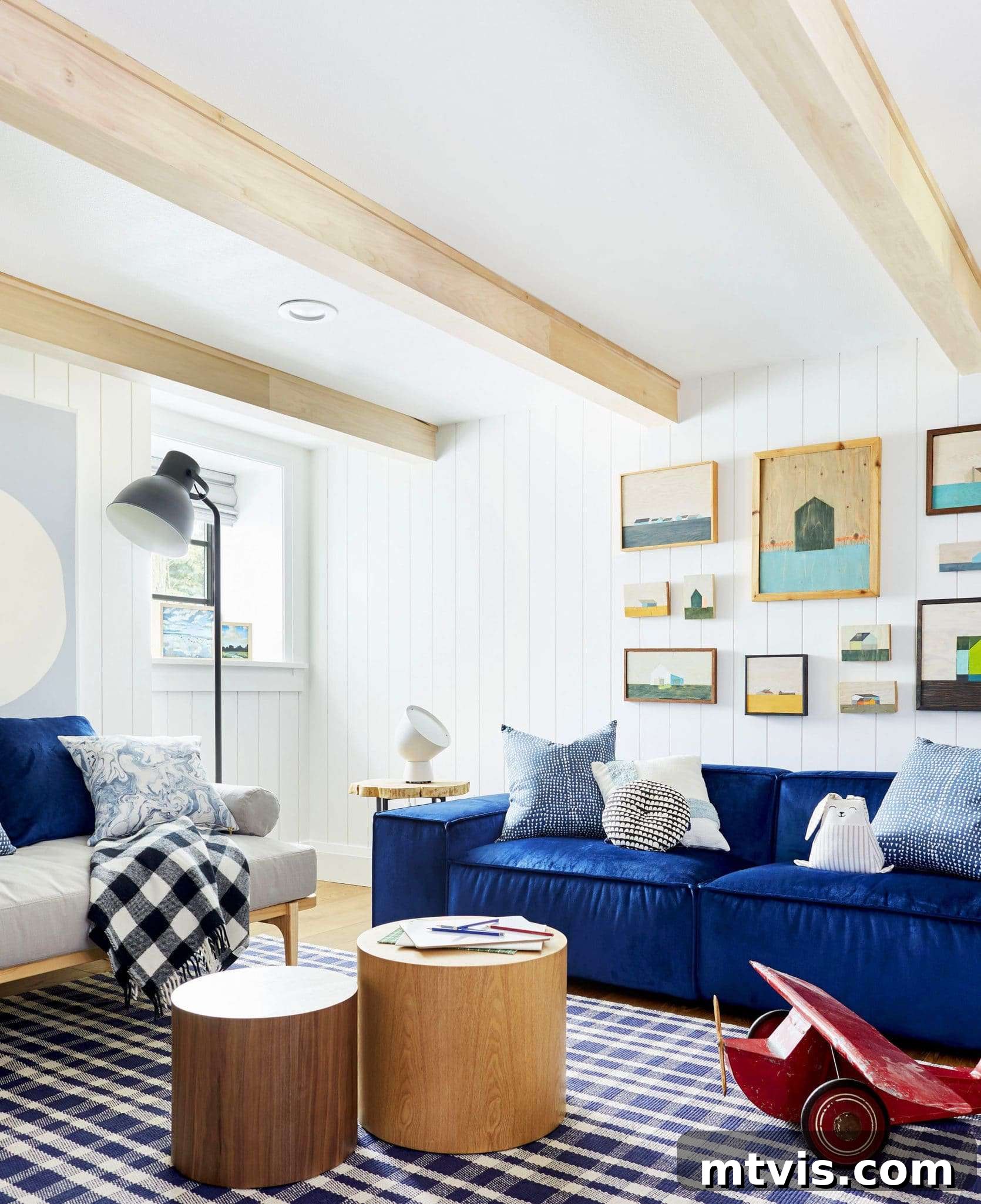
One of my favorite playroom ideas involves using large floor cushions to create a long, flexible seating area. The greatest advantage of this approach is that children can let their imaginations soar, transforming the cushions into forts, obstacle courses, or anything they can dream up. This type of dynamic seating not only encourages creative play but also offers comfortable, adaptable lounging. Furthermore, incorporating engaging wall decals can perfectly complement such a playful setup, adding an extra layer of visual interest and fun to the entire space.
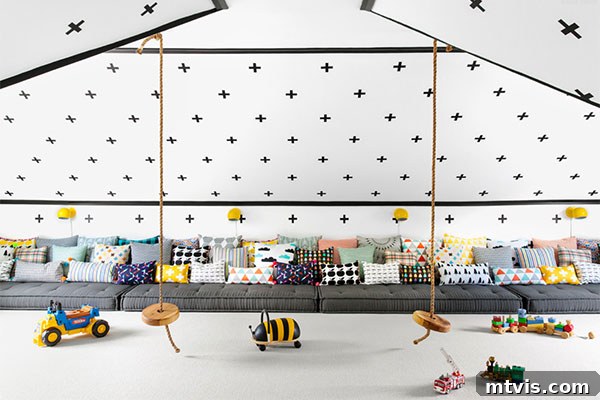
Consider Including a Chalkboard Wall for Endless Creativity
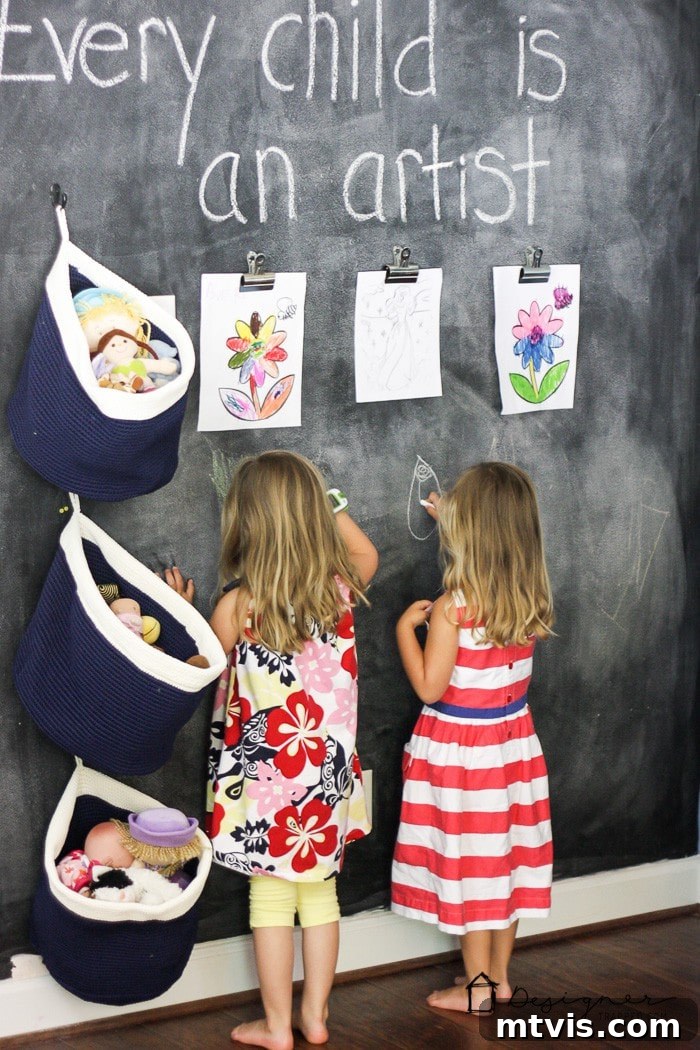
A chalkboard wall is an incredibly engaging and dynamic addition to any playroom, offering a massive canvas for endless creative expression. In one of our previous playrooms, we dedicated an entire wall to chalkboard paint, and I was genuinely surprised by its enduring popularity and consistent use over several years. Children are drawn to the freedom of drawing, scribbling, and illustrating on such a large scale, allowing their imaginations to run wild.
While the chalk dust can sometimes create a slight mess, it’s easily manageable. For rooms with hard flooring, a quick vacuum cleanup makes it a non-issue. However, it might be less ideal for wall-to-wall carpeted areas. The best part of a chalkboard wall is that it constantly evolves; it serves as a gigantic, ever-changing piece of artwork, reflecting the current interests and artistic endeavors of its young creators. It offers a unique blend of fun, creativity, and interactive decor that very few other elements can match. Thinking back, I confess I truly miss the playful chaos and evolving art our chalkboard wall brought to the space.
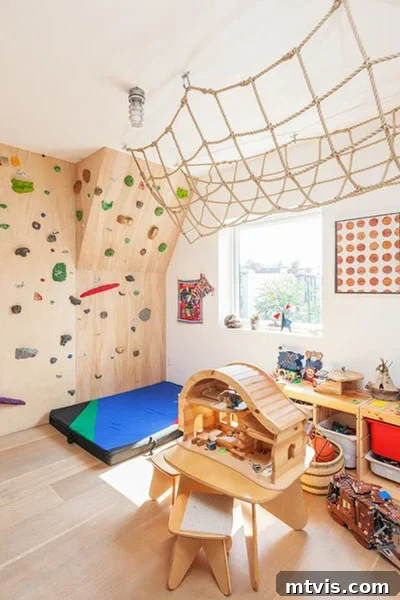
Integrate Active Play Features: Swing, Basketball Hoop, Climbing Wall, Etc.
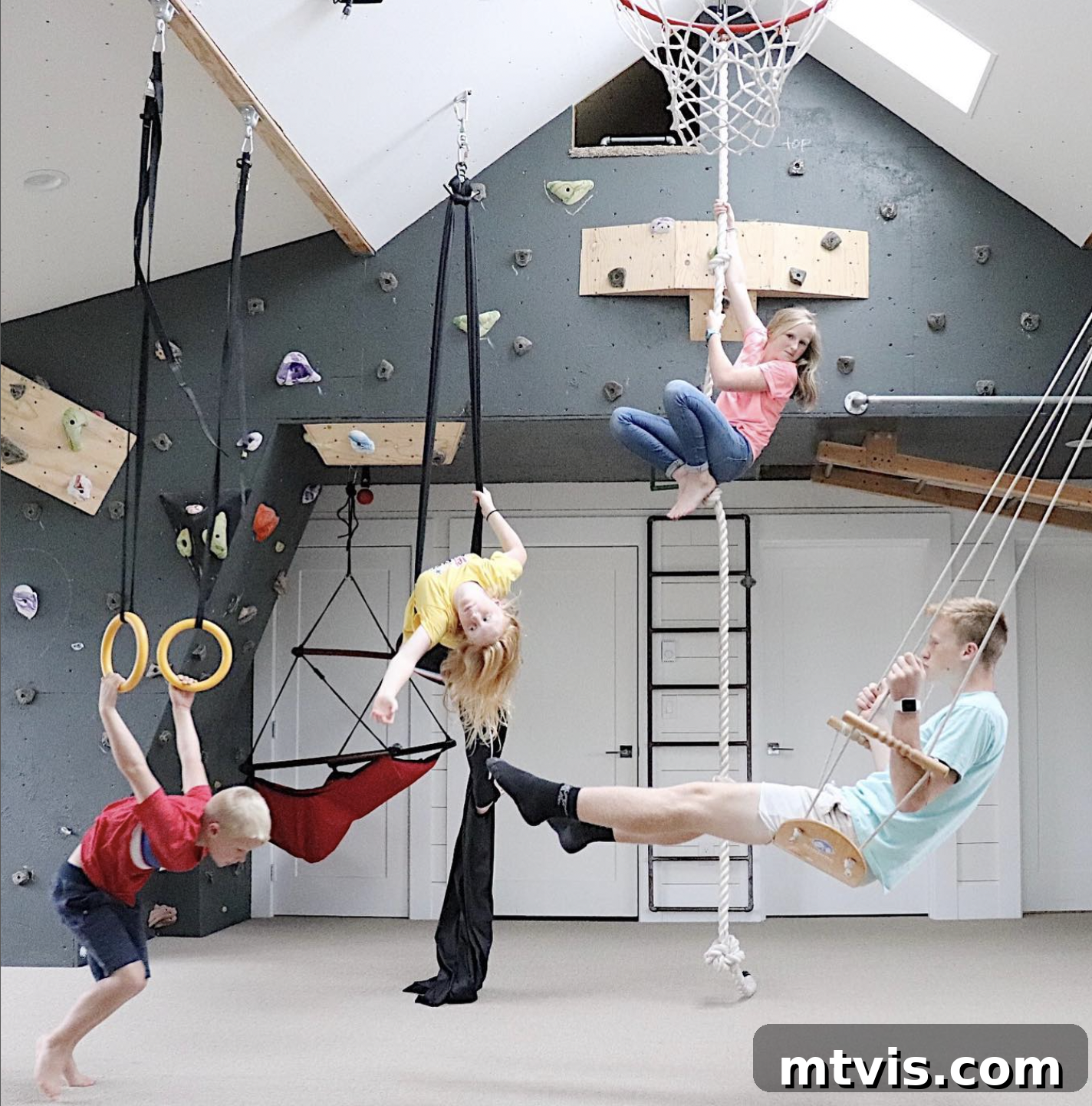
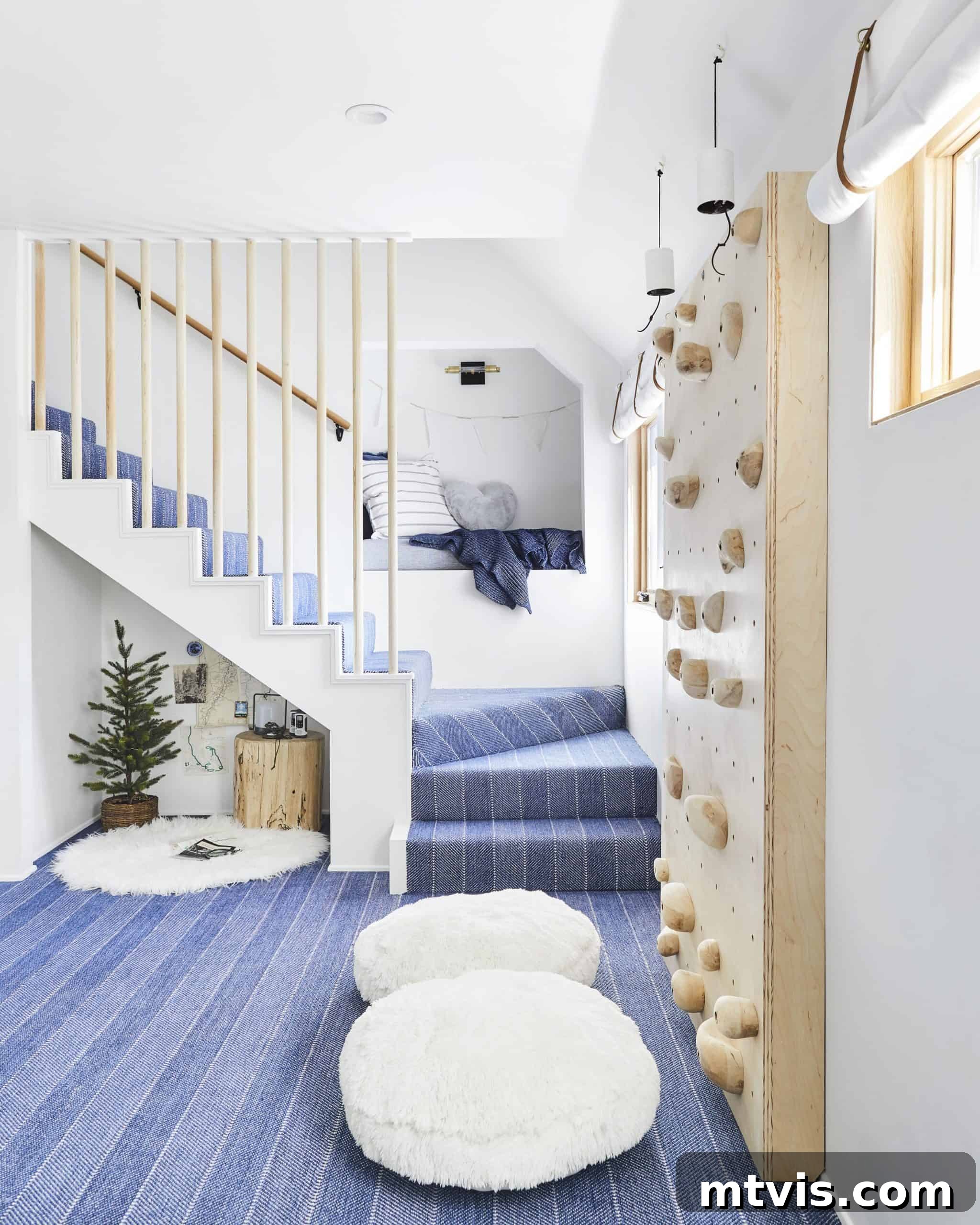
If space allows, elevating your playroom into the ultimate active play zone can be incredibly beneficial for children’s physical development and energy release. Why not create a full-blown indoor playground, bringing the excitement of outdoor activities right into your home? Installing a swing, a mini basketball hoop, or even a rock climbing wall can transform a standard playroom into an adventure hub. These features encourage gross motor skill development, provide an outlet for boundless energy, and offer a fun way for kids to stay active regardless of the weather outside.
Consider multi-functional structures that incorporate various elements like rope ladders, monkey bars, or gymnastic rings. Such an environment not only promotes physical activity but also fosters confidence, coordination, and creative problem-solving as children navigate and conquer different challenges. When planning these additions, always prioritize safety by ensuring proper installation, soft landing surfaces, and age-appropriate equipment. A dedicated active play area can make a playroom truly stand out, becoming a favorite spot where children can play, learn, and grow in a stimulating and secure environment.
Playroom Wall Decor & Accessories for Personalization
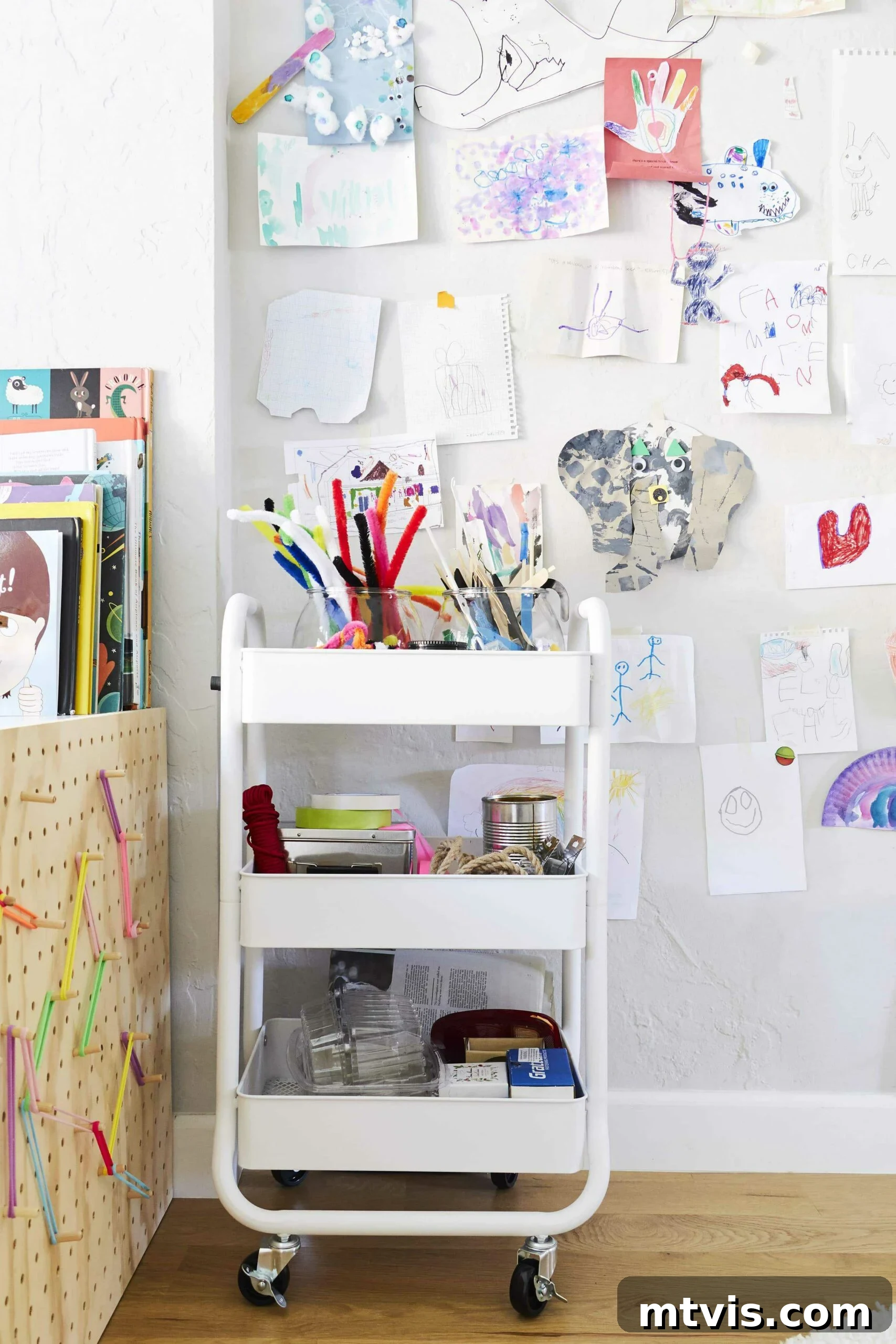
When it comes to the finishing touches for playroom wall decor and accessories, the golden rule is to embrace fun and personality! I am a firm believer in celebrating children’s creativity by proudly displaying their artwork. There’s something truly special about incorporating their original paintings, drawings, or crafts directly into the room’s aesthetic. You can transform their smaller pieces into impressive wall art by enlarging and framing them, adding a professional touch. Even better, simply pinning their current favorite creations directly onto a wall can create a vibrant, ever-evolving accent wall that truly reflects their journey. For easy updates and to protect your walls, a clever tip is to use museum putty, which holds art securely without causing damage to either the wall surface or the paper.
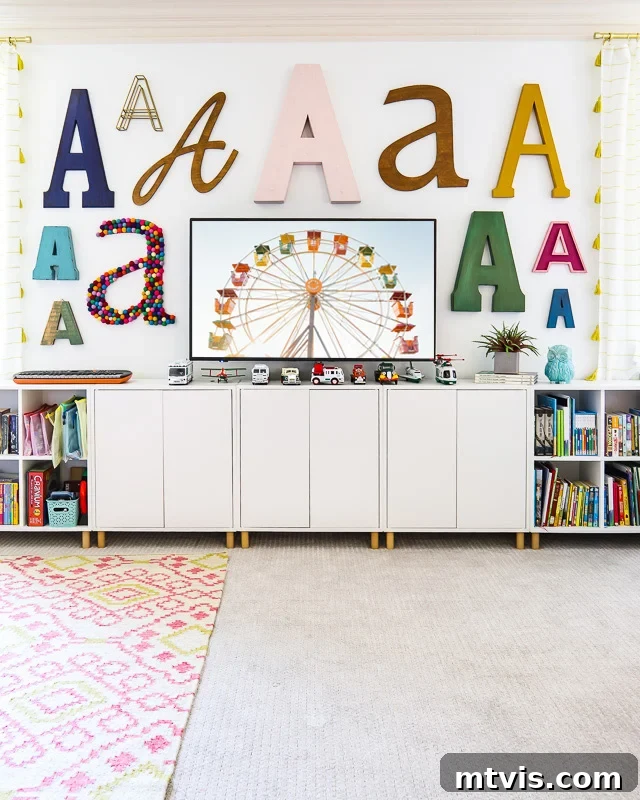
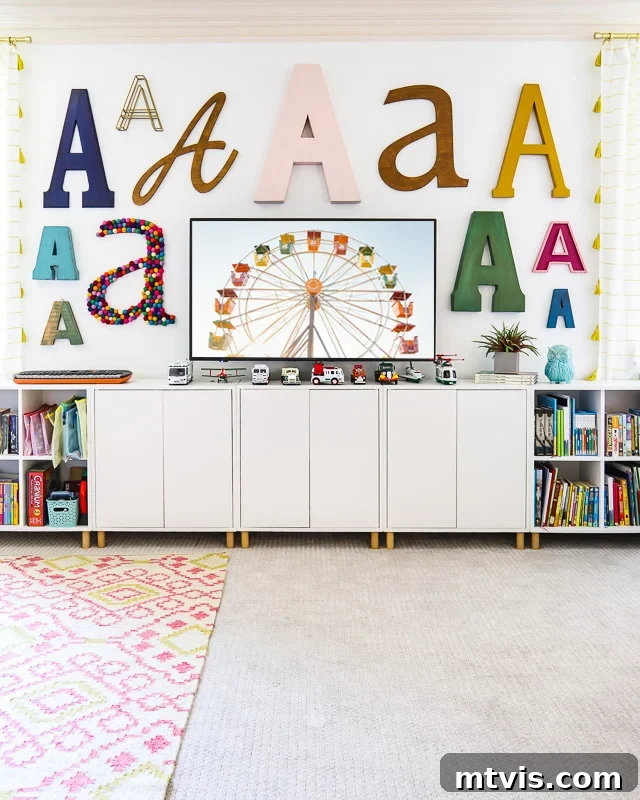
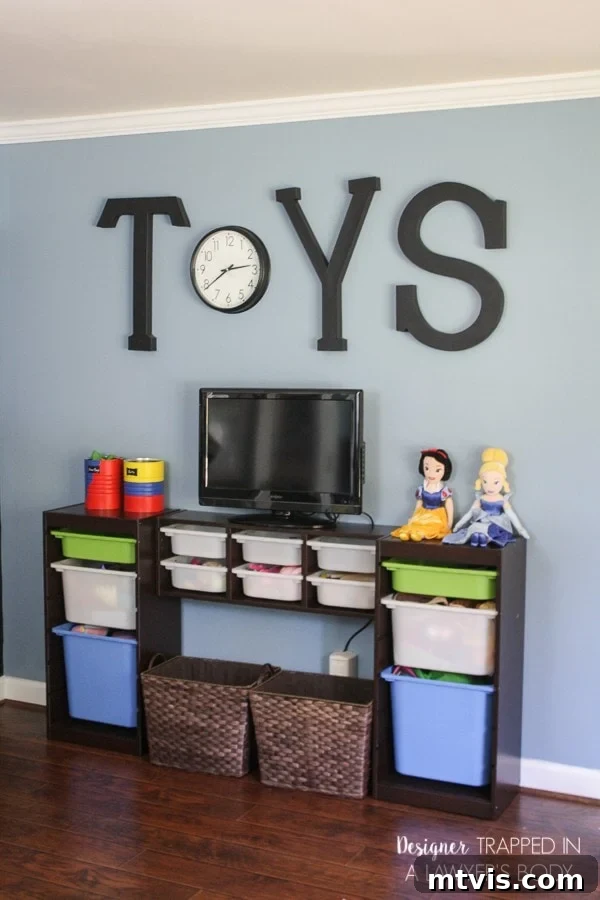
Beyond artwork, infuse the room with accessories that reflect your children’s interests and add playful character. Creating a gallery wall with themed elements, such as oversized letters, favorite characters, or even a collection of cherished keepsakes, can add immense charm. For instance, a wall filled with different script “A”s can be a meaningful and colorful addition if your family’s last name or children’s names begin with that letter, creating a personalized and whimsical display. In an earlier playroom, spelling out “TOYS” with oversized papier-mache letters next to a clock provided a quirky and fun focal point, proving that even simple, DIY elements can make a significant impact.
I sincerely hope these extensive playroom ideas and detailed decorating tips empower and inspire you to confidently create a truly fun, functional, and imaginative play space within your own home. Remember, a well-designed playroom is an investment in your children’s development and happiness, providing them with a special place to learn, grow, and make lasting memories.
More Ideas for Kids’ Spaces
SEE ALL kid’s spaces
-
IKEA Billy Bookcase Hack for Loads of Storage
-
Fun and Stylish Playroom Décor Ideas & Tips
-
28 Dreamy Bedroom Ideas for Girls
-
How to Decorate Bedroom Doors to Look Like Apartment Doors
-
25 Unique Bedroom Ideas for Teen Boys and Girls
-
30 Genius Shared Bedroom Ideas for Kids
Other Posts You Will Enjoy:
- Cool DIY Bunk Beds
- Ikea Hack: DIY LEGO Table
- Ikea Kid’s Table and Chairs Makeover
- Teen Bedroom Ideas for Boys + Girls
Curious about my personal approach to transforming rooms and spaces in our home? Be sure to explore Designer in a Binder®. It’s the very system I use for every design project, providing a structured yet simple way to achieve your dream home aesthetics.
For exclusive content, behind-the-scenes glimpses, and early access to new tips and tricks, don’t forget to subscribe to our newsletter before you leave!