Remodeling your kitchen is widely considered one of the most impactful home improvement projects you can undertake. It breathes new life into the heart of your home, enhancing both aesthetics and functionality. However, a full kitchen overhaul, especially one involving the replacement of kitchen cabinets, can come with a hefty price tag. For many homeowners, the dream of a refreshed kitchen often collides with budget realities. Fortunately, there’s a remarkably cost-effective solution that consistently delivers stunning results: painting your existing kitchen cabinets. This approach allows you to achieve a dramatic transformation without breaking the bank.
My Extensive Experience With Painting Kitchen Cabinets
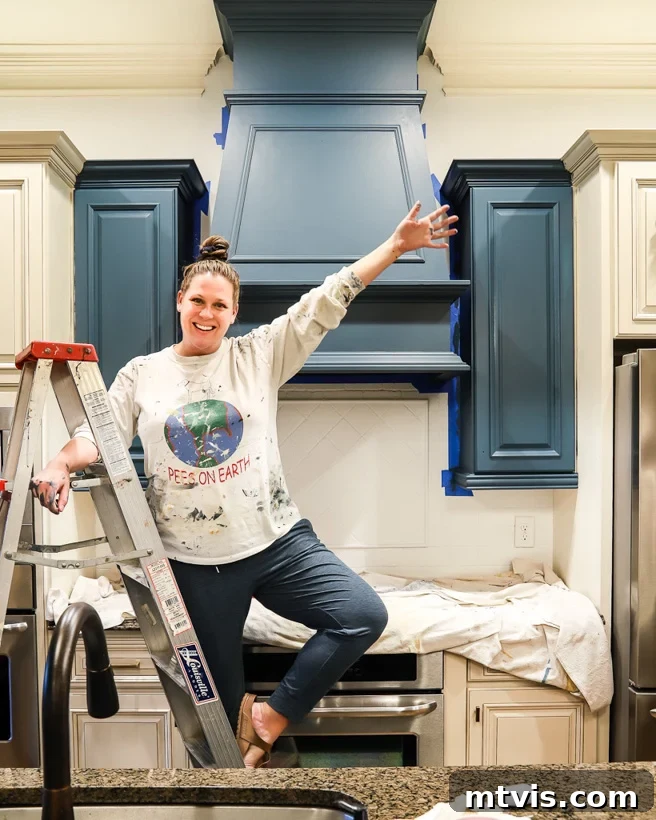
Having personally embarked on the journey of painting kitchen cabinets on three separate occasions, I’ve gathered a wealth of practical knowledge and firsthand insights. My experiences have reinforced my belief that this DIY project can yield truly remarkable, long-lasting results. My first venture involved painting the kitchen cabinets in our previous home, a project I approached without the conventional steps of priming or sanding. To my delight, and the surprise of many, the cabinets turned out beautifully. We even conducted a follow-up assessment after two years, which conclusively demonstrated the impressive durability of our DIY painted cabinets. They maintained their pristine condition for over five years, enduring daily family use until we eventually undertook a comprehensive kitchen renovation. This initial success was genuinely inspiring and laid the groundwork for future projects.
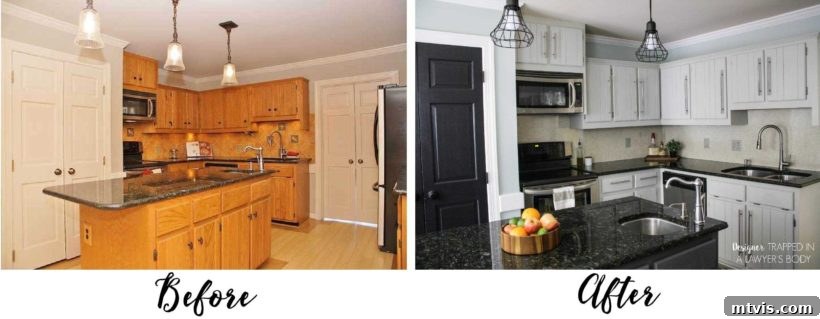
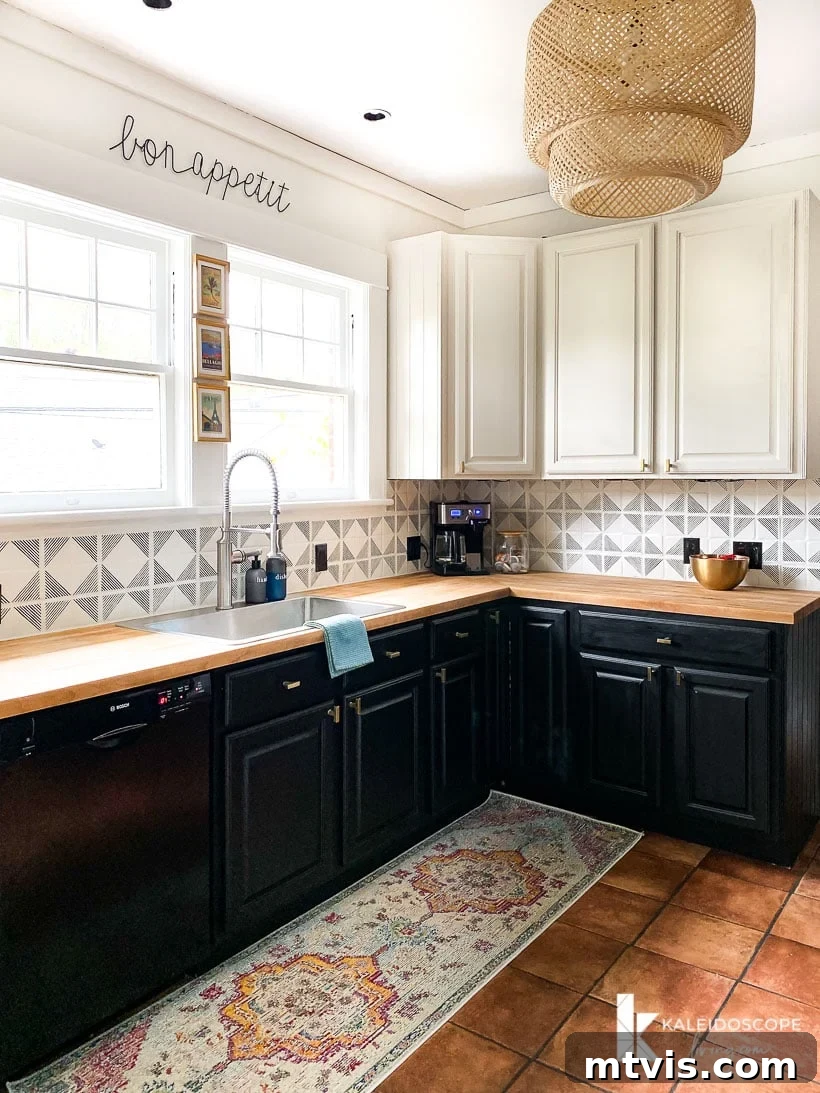
More recently, I assisted a friend, Thea, in transforming her kitchen cabinets. For this project, we opted for entirely different products and a modified method, which proved to be even quicker and simpler. The entire transformation, part of her incredible $997 kitchen makeover (which you can explore in detail in this post), was completed three years ago. Her cabinets continue to hold up perfectly, showcasing the versatility and effectiveness of various painting techniques. This experience further cemented my confidence in the accessibility and durability of painted cabinets for a broad range of homeowners.
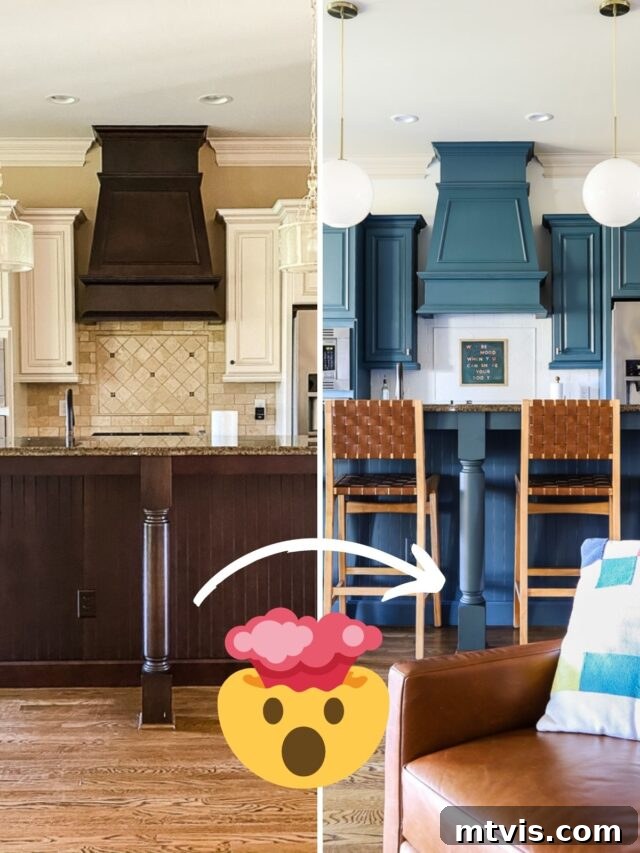
Most recently, I tackled my own kitchen cabinets in our new home as part of a budget-friendly kitchen makeover approximately two years ago, employing a similar, highly efficient method. These diverse experiences have equipped me with extensive knowledge about painting kitchen cabinets, allowing me to provide informed and practical advice. The consistent question I encounter is, “Should I paint my kitchen cabinets?” My consistent answer is that it largely depends on individual circumstances and careful consideration. Before you even think about picking up a paintbrush, it’s essential to thoroughly evaluate a series of crucial questions to determine if this project aligns with your specific needs, expectations, and resources.
This post contains affiliate links for your convenience. Click here for my full disclosure policy.
Essential Questions to Ask Before Painting Your Kitchen Cabinets
Before you commit to painting your kitchen cabinets, it’s vital to systematically address these questions. Your thoughtful answers will guide your decision-making process and help you prepare for a successful project.
What is your renovation budget?
Budgetary constraints are often the primary factor influencing any renovation project. Painting kitchen cabinets stands out as one of the most budget-friendly avenues for a significant kitchen update. The most substantial savings are realized when you opt for the DIY route. Even so, undertaking a DIY cabinet painting project will still necessitate an investment of several hundred dollars for quality paints, primers, brushes, rollers, cleaning supplies, and protective gear. If you plan to upgrade hinges and hardware, which can dramatically enhance the final look, your expenses could approach or even exceed $1,000.
Conversely, hiring a professional to paint your kitchen cabinets can be considerably more expensive than many anticipate. The total cost is contingent on various factors, including the size and complexity of your kitchen, the total number of cabinet doors and drawer fronts, the quality of materials chosen, and regional labor rates. On average, professional cabinet painting can range from $100 per drawer face and $175 per cabinet door, typically averaging around $4,500 for a standard kitchen. It’s important to note that a higher price doesn’t automatically guarantee superior results; I’ve heard numerous accounts of professional jobs falling short of expectations. Therefore, if you decide to hire a professional, it is absolutely critical to obtain multiple references and diligently follow up by contacting them directly. Ideally, try to view their previous work in person to assess the quality and durability of their finishes before making any commitment.
What are your kitchen cabinets made from?
The material composition of your cabinets is a crucial determinant of painting success. The majority of older and many newer, higher-quality cabinets are constructed from solid wood, such as oak, maple, cherry, or pine. Solid wood cabinets are generally a dream to paint, as they offer excellent adhesion properties once properly prepped. However, not all cabinets are made of solid wood. Many kitchens feature cabinets constructed from engineered wood products, including Medium-Density Fiberboard (MDF), plywood, or particleboard, which are often covered with various finishes like veneer, thermofoil, or laminate.
Painting engineered wood cabinets can be more challenging than painting solid wood. The smooth, sometimes non-porous surfaces of veneer, thermofoil, and laminate don’t readily accept paint, making them prone to peeling, chipping, or poor adhesion over time. To ensure a durable finish on most engineered wood cabinets, thorough preparation is paramount. This typically involves a light scuff-sanding to create a mechanical bond for the paint, followed by the application of a high-quality bonding primer specifically designed for challenging surfaces. Always perform a test application on an inconspicuous area of your cabinets. Once the primer and paint have fully dried and cured, test the painted surface rigorously to confirm that the finish is resilient and will not flake or chip, especially given the high-traffic nature of a kitchen environment.
Can paint adhere to my cabinet material?
While some cabinet materials present more challenges than others, advancements in paint technology mean there’s a good chance you can successfully paint almost any cabinet type. The market offers a wide array of specialized kitchen cabinet paints, each formulated for exceptional durability and adhesion to diverse surfaces. It’s not just about solid wood anymore; even engineered materials can be painted effectively with the right products and techniques.
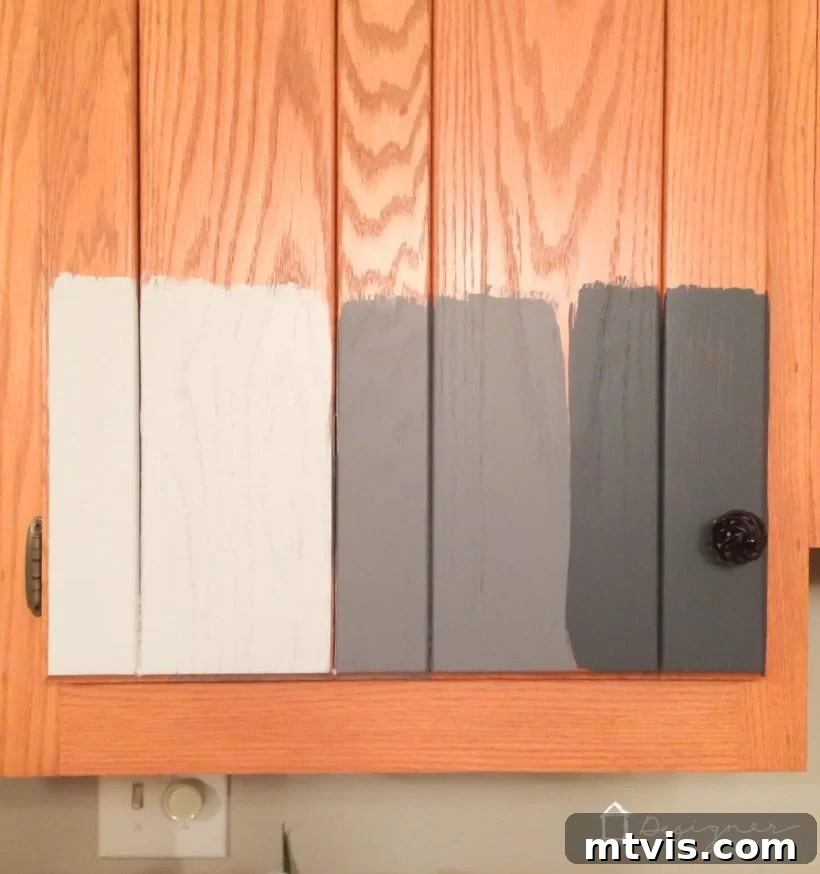
For instance, products like General Finishes Milk Paint, which I successfully used on the cabinets in our old house, are renowned for their remarkable adhesion to a variety of substrates. This includes wood, fiberglass, PVC, vinyl, and many composite materials. These paints can often be applied over existing finishes, stains, and even other paints, provided the underlying finish is completely dry and stable. The key, however, is always to conduct a small test patch in an unseen area. This step is non-negotiable for verifying that the paint adheres robustly to your specific cabinet surface. In my own project, I tested three different colors, which not only helped me finalize my color choice but also provided invaluable confidence in the paint’s superior adhesion capabilities. This preliminary testing is a simple but powerful step to prevent future disappointments.
Similarly, Fusion Mineral Paint, which we utilized in Thea’s kitchen, also boasts exceptional adhesion and durability. This brand is celebrated for its extensive palette of beautiful colors, offering another excellent option for achieving a professional-grade finish. These advanced paint formulations significantly broaden the possibilities for homeowners to successfully paint their cabinets, regardless of their original material.
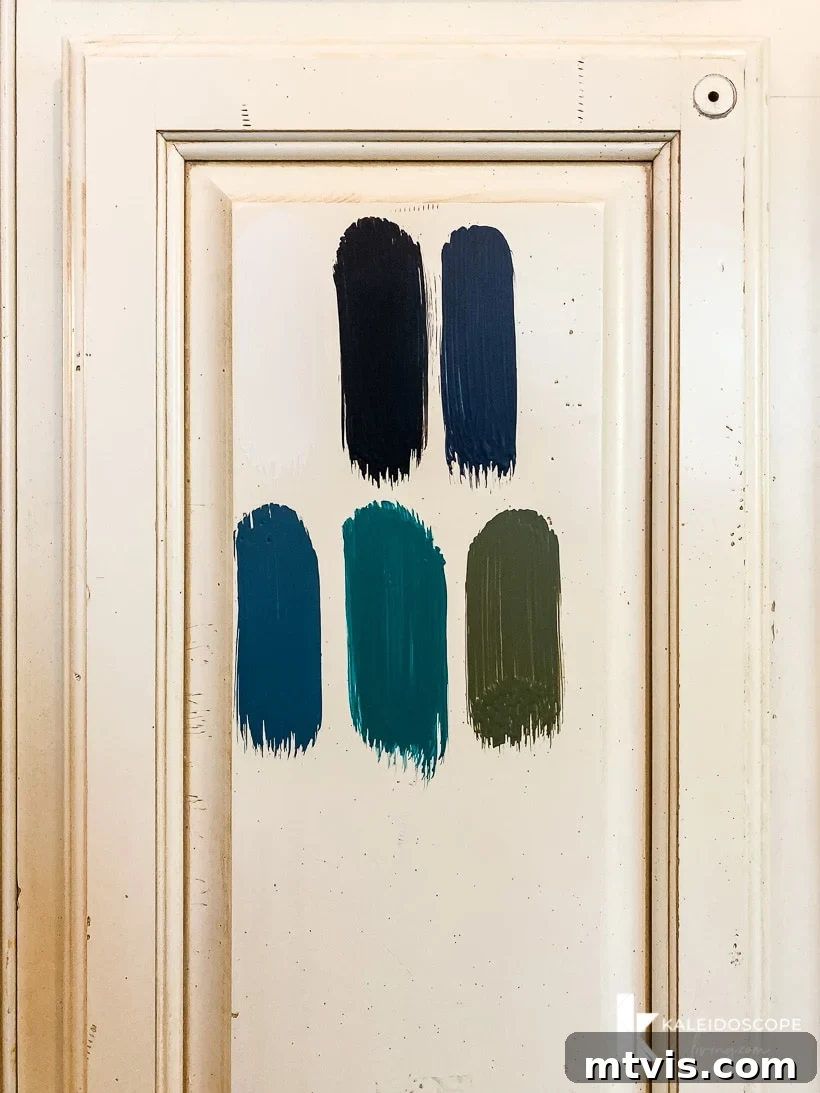
What is the current finish on your cabinets?
Beyond the core material, the existing finish on your cabinets is another critical factor to consider. If your cabinets are solid wood, most stains and polyurethane finishes can be successfully painted over with proper preparation. However, transitioning from a painted finish back to a stain, or dealing with an existing latex paint finish, can introduce specific challenges. If your cabinets are currently coated with latex paint, you will almost certainly need to sand them thoroughly to create a suitable surface for new paint adhesion. In some instances where the existing latex paint is peeling or heavily damaged, refacing kitchen cabinets with new doors might be a more practical and less labor-intensive option than trying to salvage the old finish.
While I’ve discussed using General Finishes Milk Paint for a solid, opaque finish, their Java Gel Stain offers a fantastic alternative if your goal is to darken the existing wood tone without fully concealing the grain. Gel stains are known for their thick consistency, which allows them to provide significant coverage over many existing finishes. You can see an example of how we darkened a light pine cabinet using Java Gel Stain in this post. A key principle to remember is that it is generally much easier to darken a light finish than to achieve a lighter paint or stain without the intensive process of stripping and priming.
For Thea’s kitchen, we utilized Fusion Mineral Paint products to achieve a complete transformation. Her cabinets were already painted, which simplified the preparation process considerably. All that was required was a light “scuff-sanding,” which took us roughly 30 minutes to complete. This minimal prep highlights how the existing finish can dictate the effort required for a successful paint job. You can delve into the full details of how we prepped and painted Thea’s cabinets in this dedicated post, or if you prefer visual guidance, a video tutorial is also available.
How do you feel about the wood grain (if any) of your cabinets?
A common inquiry I receive pertains to the visibility of wood grain after cabinets have been painted, particularly with materials like oak. My answer is always a resounding YES, the wood grain will likely still be visible, and for many, this is perfectly acceptable. It’s important to understand that most paints, by their nature, coat the surface rather than filling in the texture of the wood grain. Therefore, if your cabinets have a prominent grain, it will typically remain a subtle textural element even after multiple coats of paint.
When we painted our old cabinets, we used General Finishes Milk Paint, which provides a very flat finish. We paired this with a flat top coat, which added only a minimal amount of sheen. The choice of a flat finish was strategic: it significantly minimized the noticeable appearance of the wood grain due to its reduced light reflection properties. However, even with this approach, the grain remained discernible. If you find the prospect of seeing any wood grain absolutely intolerable, then painting alone may not fully satisfy your expectations. In such cases, you would either need to undertake a labor-intensive process involving specific grain fillers and multiple layers of primer to achieve a perfectly smooth surface, or consider more drastic alternatives like refacing or completely replacing your cabinets. Managing expectations regarding wood grain visibility is key to a happy outcome.
How much time can you dedicate to this project?
Painting kitchen cabinets is indeed a realistic and rewarding DIY project, but it demands a significant time commitment and will undoubtedly disrupt your normal kitchen routine for several days, if not longer. This is not a project to rush, as thorough preparation and adequate drying times are crucial for a durable, professional-looking finish. A typical cabinet painting project involves numerous steps, each requiring patience: thorough cleaning and degreasing, masking off surrounding areas, removing hardware and doors, sanding (if necessary), applying one or more coats of primer, applying two to three coats of paint, and finally, applying a topcoat for added protection. Each coat requires specific drying times, and the entire system needs a curing period before the cabinets can withstand normal use.
When we painted the cabinets in our old house, we opted not to paint the insides of the cabinet boxes, which allowed us to keep dishes stored inside. The paint dried relatively quickly, enabling us to complete the project within a few days, but the kitchen was undoubtedly a bustling workspace during that time. For Thea’s kitchen, our process was even more expedited because we didn’t empty the cabinets or even remove the cabinet doors, instead painting them in place. Despite this streamlined approach, her kitchen was still temporarily out of commission while we worked diligently on the cabinet transformation.
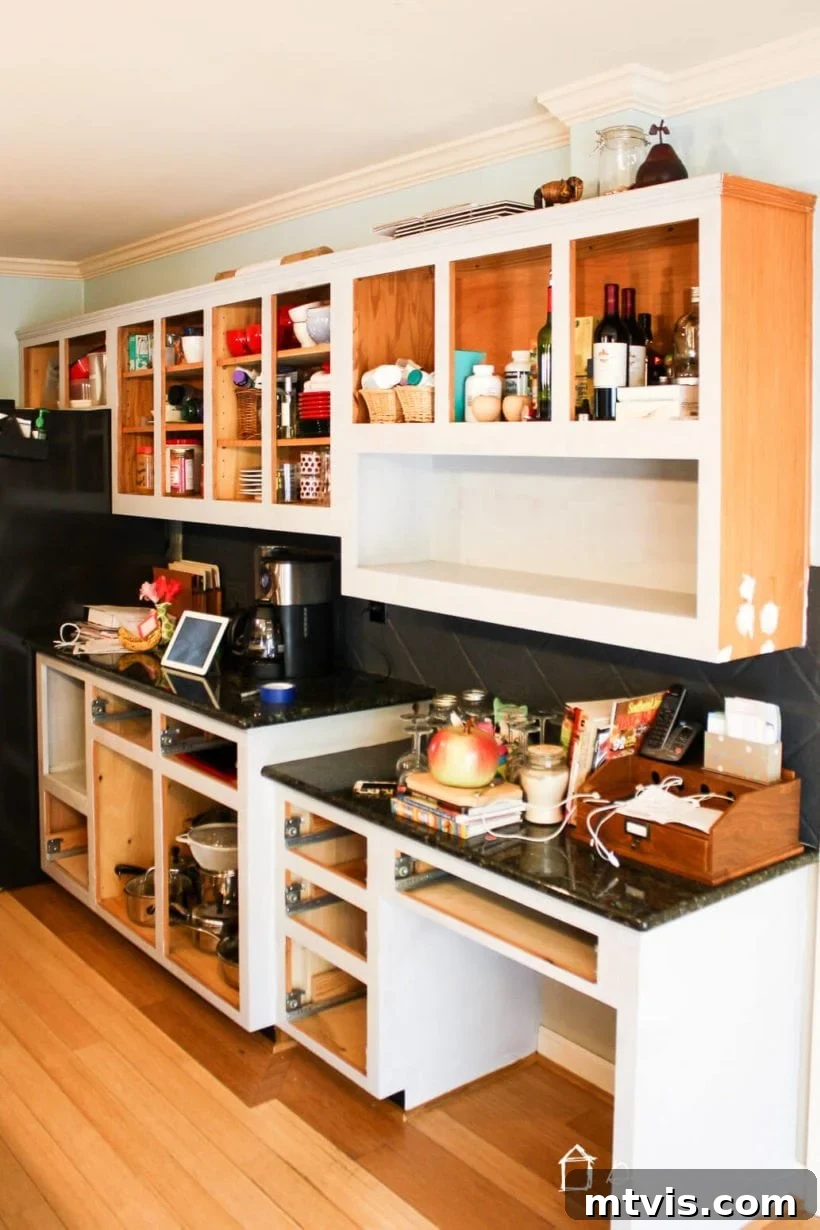
The bottom line: It is imperative to have a “Plan B” in place should your project encounter unforeseen delays or complications. What will you do for meals and kitchen access if you run out of paint, decide you dislike the color, or discover the task is more challenging than anticipated? Kitchen renovations, even minor ones, can be particularly disruptive because the kitchen is such a central hub in most homes. While the right paint and a well-thought-out plan can significantly expedite the project, always allocate ample time. Avoid scheduling this project immediately before major events or holidays, such as Thanksgiving, to prevent unnecessary stress and ensure you can finish without rushing and compromising quality.
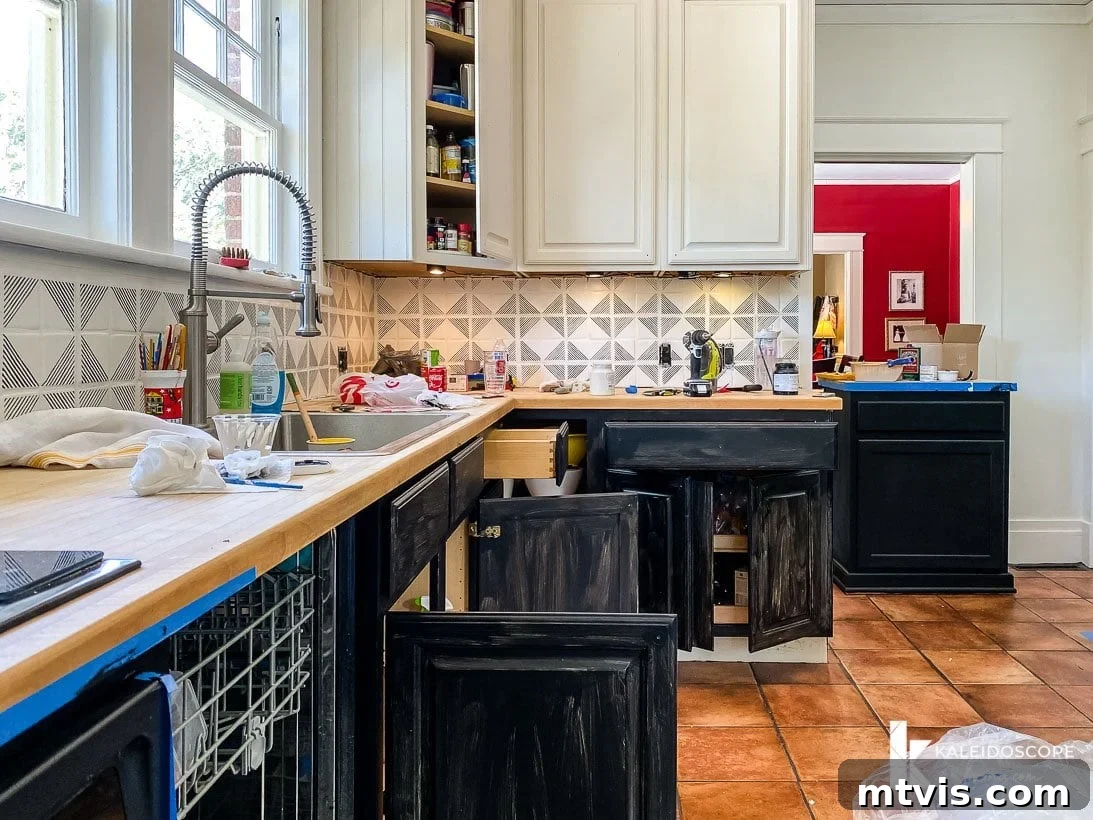
How particular are you about details?
Your personal tolerance for imperfections plays a significant role in determining if cabinet painting is the right project for you. I consider myself reasonably particular about certain details, but I also understand and can accept slight imperfections that are inherent in a DIY project. For instance, the fact that the insides of our cabinet boxes remained unpainted didn’t bother me; we focused on painting the visible surfaces of the doors and drawer fronts. I appreciate quality and durability, but I also acknowledge that normal wear and tear is an inevitable part of living in a busy home, especially as a mom of twins. A DIY paint job, no matter how carefully executed, will rarely replicate the flawless, factory-sprayed finish of brand-new cabinets.
If you are exceptionally particular about every minute detail and strive for absolute perfection, you must carefully weigh your time and effort against the potential cost of professional services. If the thought of minor brush strokes, subtle variations in texture, or the possibility of a tiny drip causes you sleepless nights, then a DIY cabinet painting project might generate more stress than satisfaction. It’s crucial to set realistic expectations. A hand-painted finish will inherently have a slightly different character than a machine-applied finish. Understanding this distinction upfront will help you decide whether to embrace the charm of a handmade look or invest in professional spray painting or full cabinet replacement for a pristine, factory-like appearance.
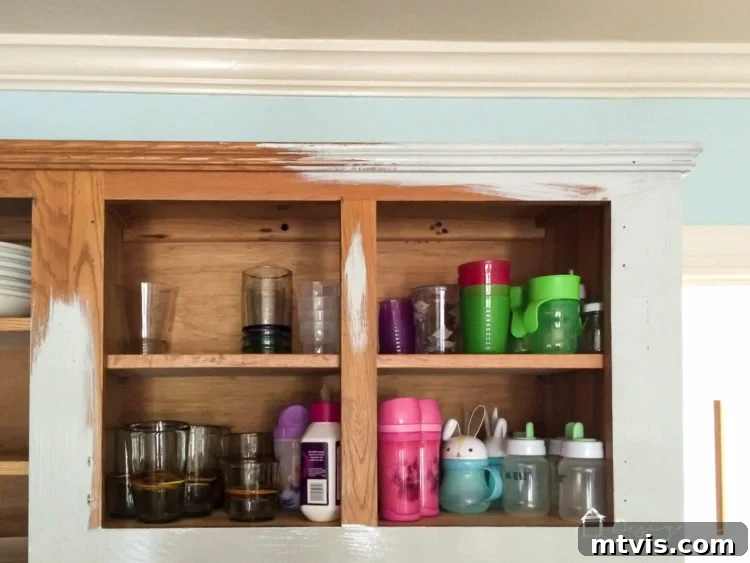
What is the condition of your cabinets?
Before you commit to a cabinet painting project, it’s vital to conduct an honest assessment of their current condition. Ask yourself if your cabinets are truly worth painting. While a fresh coat of paint can work wonders for aesthetic appeal, it cannot fix underlying structural issues or severe damage. If your cabinets are extensively beaten up, suffering from rot, warping, significant peeling veneer, deep cracks, or other structural deficiencies, merely applying paint will not improve their overall integrity or functionality. Paint acts as a cosmetic enhancement, not a structural repair.
However, if your cabinets are in generally good shape—meaning they are structurally sound, free from major damage, and exhibit only cosmetic flaws like outdated finishes, minor scuffs, or faded paint—then painting them is an excellent and highly recommended option. Pair this transformation with new hardware, and you can achieve a dramatically updated look that feels entirely new. In Thea’s kitchen project, for example, her cabinets were in good structural condition. We were able to keep the existing hidden hinges (simply painting around them to save time and effort) and replaced the old hardware with modern, beautiful, and surprisingly inexpensive knobs. This combination of fresh paint and updated hardware breathed new life into her kitchen, proving that a solid foundation combined with thoughtful cosmetic changes can yield impressive results.
Compare replacement vs. refinishing costs
For most homeowners, the financial aspect is often the deciding factor in a kitchen renovation. This question typically serves as the clincher. When I personally painted my kitchen cabinets, we managed to update the entire kitchen for just $700. This incredible figure included not only the cabinet painting but also new flooring, light fixtures, and all other essential elements – the whole shebang! Similarly, Thea’s complete kitchen makeover cost a mere $997, encompassing updated lighting, a new rug, cabinet hardware, and all decorative accessories. These price points are virtually unbeatable when you compare them to the alternatives.
I can personally attest to the exorbitant costs associated with a full kitchen gut and renovation, as we eventually undertook a massive, complete kitchen remodel in our old home. The expenses for such a project can quickly spiral into the tens of thousands, making cabinet painting an exceptionally attractive alternative. Keep in mind that if your cabinet boxes are structurally sound but you’re dissatisfied with the design of the doors, an intermediary option is refacing your cabinets. This involves simply replacing the doors and drawer fronts, which is still considerably less expensive than replacing all of your cabinetry while offering a significantly updated look. Beyond the monetary cost, it’s also important to factor in the less tangible expenses: your time, mental well-being, and stress levels. Painting kitchen cabinets remains one of the most cost-effective and least disruptive kitchen transformations you can undertake, making it a worthwhile investment in the vast majority of cases.
Are you happy with your kitchen’s current layout?
The final crucial question revolves around your satisfaction with your kitchen’s existing layout and functionality. If you are generally content with the arrangement of your kitchen – the placement of appliances, the flow of traffic, and the current amount of storage – and primarily desire a modern aesthetic update, then painting your cabinets is unequivocally the ideal solution. It’s a straightforward, impactful way to achieve a fresh look and bring your kitchen closer to your dream vision without undergoing a major structural overhaul. Painting offers an easy solution to cosmetic fatigue.
However, if your kitchen is undersized, your current cabinet configuration is inefficient, or you desperately need to expand storage capacity, simply painting the existing cabinets might not be the best long-term solution. Painting will not alter the footprint of your kitchen or magically increase your storage. In such scenarios, you might explore creative alternatives. Consider an open-shelving look for your upper cabinets while painting the lowers for a contemporary feel that also provides visual lightness. Alternatively, you could add a kitchen island to boost both counter space and storage, or resurface the existing doors and add organizational inserts to increase functionality without a total demolition. These options allow you to enhance storage and usability without committing to a full structural renovation.
In our old home, we initially painted the kitchen cabinets as a temporary cosmetic update, knowing that a full renovation was eventually on the horizon. Those painted cabinets allowed us to genuinely enjoy our kitchen for over six years while we diligently saved for our comprehensive renovation. Our ultimate goal for a full renovation was driven by a desire to fundamentally change the kitchen’s layout, including removing a wall between the kitchen and dining room to create an open-concept living space. While the saving period was extensive, every penny and every minute we invested in painting those cabinets proved to be invaluable, significantly enhancing our daily lives in the interim. Painting kitchen cabinets is an excellent, practical solution for anyone primarily seeking a cosmetic uplift. So, if you’re frequently asking yourself, “Should I paint my kitchen cabinets?”—take the time to answer these critical questions first. This thoughtful approach will ensure your kitchen painting project begins on the right foot, leading to a result you’ll love, all while keeping your sanity wonderfully intact!
More CABINET Inspiration
SEE ALL cabinet POSTS
-
The Best Neutral Paint Colors for Kitchen Cabinets
-
Should I Paint My Kitchen Cabinets? Crucial Questions to Ask Before Getting Started
-
How to Organize Kitchen Cabinets (In a “Normal” Kitchen)
-
The Best Paint for Kitchen Cabinets: Everything You Need to Know!
You may also enjoy these budget-friendly kitchen idea posts:
- How to Paint Countertops to Look Like Marble
- Budget-Friendly DIY Backsplash Ideas
- 15 Affordable DIY Countertops That Will Blow Your Mind
- How to Paint Your Tile Backsplash in 5 Simple Steps
Wondering how I approach transforming rooms and spaces in our home? Check out Designer in a Binder®.
And if you want exclusive content and behind-the-scenes sneak peeks, be sure to subscribe before you head out!