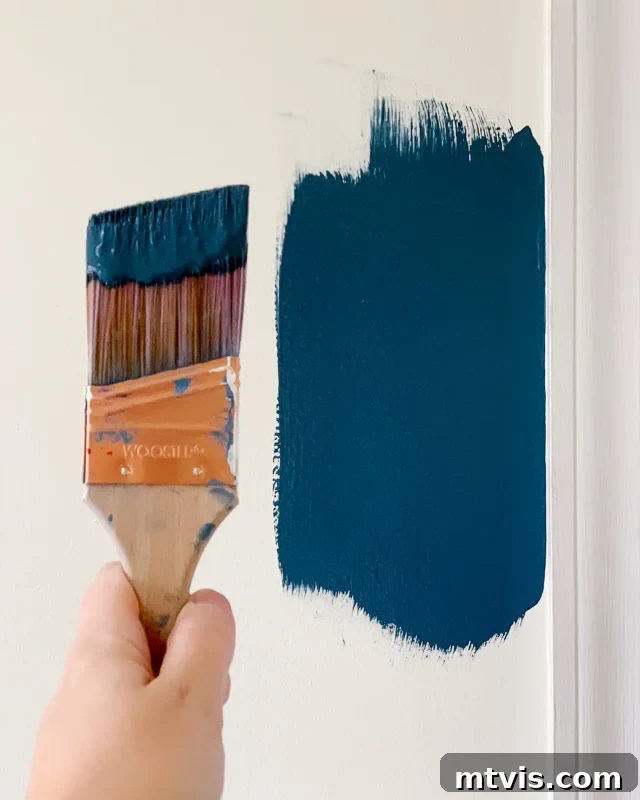
Embarking on a painting project, whether it’s a single accent wall or an entire home renovation, requires careful consideration of many factors. While color often takes center stage, an equally crucial decision – and one that significantly impacts both aesthetics and durability – is choosing the right **paint sheen**. The perfect paint sheen can elevate a room’s design, enhance its resilience to daily wear, and even help conceal minor wall imperfections. Conversely, a mismatched sheen can lead to quick wear-and-tear, difficult cleaning, and an undesirable finish. With a diverse range of options, from ultra-matte to high-gloss, understanding the nuances of each will empower you to make an informed choice that truly complements your space and lifestyle.
This comprehensive guide will demystify the world of paint sheens. We’ll explore what paint sheen truly means, delve into the distinct characteristics of each type, and provide practical advice on where and when to use them for optimal results. You’ll learn about the differences between flat, matte, eggshell, satin, semi-gloss, and high-gloss paints, and discover how to select the ideal finish for every surface in your home. Get ready to transform your painting projects from good to exceptional by mastering the art of paint sheen selection!
Table of Contents
With over two decades of experience as homeowners, we’ve transformed countless rooms with fresh coats of paint. While I’ve shared my best insights on how to choose paint colors for your home, it’s often the less-glamorous decision of paint sheen that’s overlooked. Yet, this choice profoundly impacts the longevity and aesthetic appeal of your painted surfaces. Through every room makeover and renovation project we’ve undertaken, we’ve gained invaluable knowledge. One of the most significant lessons has been understanding how to select the ideal paint sheen for each specific surface – a wisdom I’m eager to share with you here. The array of paint finishes can indeed be perplexing, but my aim is to simplify it for you.
What is Paint Sheen?
At its core, paint sheen refers to the level of light reflection a painted surface exhibits once it dries. Think of it as the “shine” factor of your paint. This characteristic isn’t just about aesthetics; it’s rooted in the paint’s composition. Specifically, the amount of binder (or resin) mixed with the pigment (the color component) determines the sheen level. Paints with a higher concentration of resin will reflect more light, appearing shinier, while those with less resin will absorb more light, resulting in a duller, more matte appearance.
The choice of sheen is more than just personal preference; it’s a strategic decision that balances visual impact with practical considerations. A shinier finish often translates to a smoother, harder surface, making it more resistant to moisture, stains, and general wear and tear. Conversely, a flatter finish tends to be more porous and delicate but excels at camouflaging surface imperfections. When deciding on the appropriate paint sheen for your home, consider a simple formula: how much foot traffic and potential abuse will the area endure, how perfect or imperfect are the walls or surfaces you’re painting, and ultimately, what aesthetic do you find most appealing? Don’t hesitate to ask for samples and test different sheens in your space, as lighting can significantly alter how a sheen appears.
The Spectrum of Paint Sheens
Paint sheens exist on a spectrum, offering a gradual transition from no shine to maximum reflection. The primary categories you’ll encounter are flat (or matte), eggshell, satin, semi-gloss, and high-gloss (or glossy). While you’ve likely heard these terms before, truly understanding their unique characteristics is key to successful painting. Each sheen not only provides a distinct visual effect but also boasts varying levels of durability and ease of cleaning, directly impacting how well the painted surface will perform and maintain its appearance over time. Let’s delve into what each of these finishes looks like and where they are best utilized.
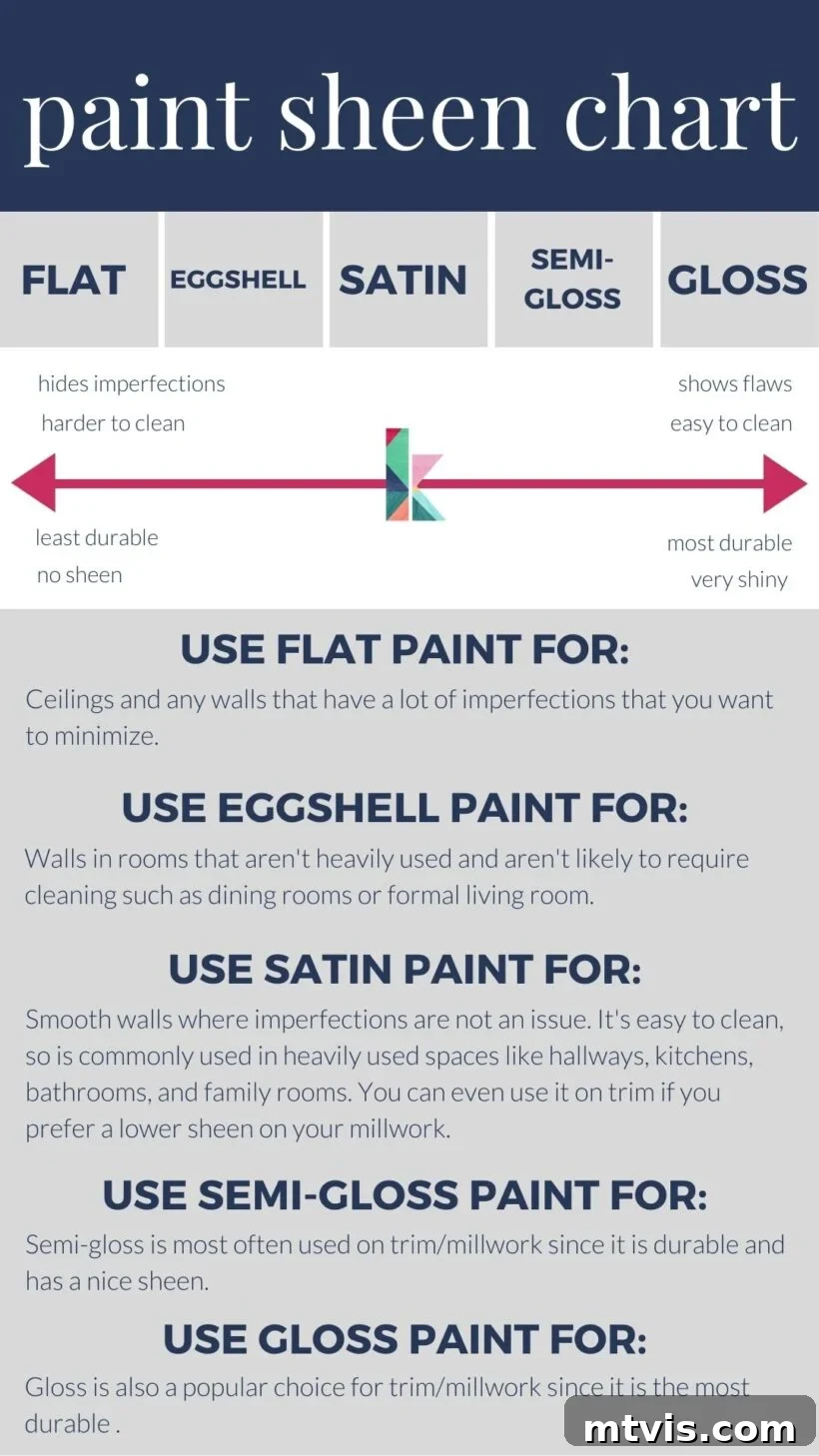
How to Choose the Right Sheen for Your Project
Flat (0-3% Shine)
Flat paint, often referred to as a “dead flat” or “no-sheen” finish, offers virtually no light reflection. This makes it an incredibly forgiving option, particularly for surfaces with minor imperfections, such as textured plaster walls or those with small dings and dents. Because it absorbs light rather than reflecting it, flat paint helps to camouflage these flaws, creating a smooth and uniform appearance. It is also the traditional and most popular choice for ceilings, as it minimizes glare and helps to hide uneven surfaces, making the ceiling recede visually. However, its low durability is a significant consideration; flat paint is notoriously difficult to clean. Scrubbing can damage the finish, often leading to burnished spots or removal of the paint itself. Therefore, gentle cleaning is essential, and often, the best solution for stubborn marks is a small touch-up with leftover paint. In all our homes, past and present, our ceilings have consistently been painted with a flat finish for its ability to create a seamless, non-reflective overhead surface.
Matte (3-10% Shine)
Matte paint strikes a beautiful balance, offering a slightly more refined finish than flat paint while still retaining its ability to hide surface imperfections effectively. It introduces a subtle, velvety touch of sheen that can add depth and richness to a wall color without being overtly reflective. This modest increase in sheen also brings a slight boost in durability and washability compared to pure flat paints. Many paint manufacturers now offer “washable” or “cleanable” matte formulas, which are specifically engineered to withstand gentle wiping and light cleaning without marring the finish. While still more susceptible to scuffs and stains than higher-sheen paints, these enhanced matte options can be a great choice for areas that experience moderate traffic or occasional contact, allowing you to enjoy the sophisticated look of a low-sheen finish with a bit more practicality. Matte paint is an excellent choice for bedrooms, formal living rooms, or dining areas where a rich, subtle appearance is desired and heavy cleaning is not frequently required.
Eggshell (12% – 25% Shine)
When asked, “Which paint sheen should I use on walls?” my answer is almost always eggshell! This finish is a perennial favorite for interior walls due to its excellent blend of aesthetics and functionality. Eggshell paint offers a soft, low-sheen finish that subtly mimics the dull luster of an eggshell, making it more reflective than matte but far from shiny. It provides a beautiful depth of color and a smooth appearance without drawing attention to every minute imperfection on your walls. The slightly increased sheen compared to flat or matte makes eggshell significantly more durable and easier to clean. While it’s not designed for aggressive scrubbing, you can gently wipe down eggshell paint to remove dust or light marks, often without the need for specialized “scrubbable” formulas. However, it’s wise to avoid abrasive tools like magic erasers, as these can still alter the finish. For the vast majority of families and homes, eggshell is a perfect choice, offering resilience against everyday scuffs and marks without sacrificing a sophisticated look. The only scenario where I might recommend a higher sheen is for homes with exceptionally high-traffic walls that frequently accumulate dirt and scuffs, such as those with multiple pets or very young children in tight entryways. Otherwise, eggshell consistently delivers a fantastic balance for main living areas, hallways, and bedrooms.

Satin (25-35% Shine)
Satin paint marks a distinct step up in reflectivity, offering a soft, pearlescent sheen that is visibly noticeable on a surface. It provides a beautiful, lustrous finish that can add a touch of elegance to any room. However, this increased reflectivity comes with a trade-off: satin finishes tend to highlight minor wall imperfections like small cracks, nail pops, or uneven drywall textures. Therefore, it’s best reserved for walls that are in excellent condition and have been meticulously prepared. On the significant plus side, satin paint is considerably more durable and easier to clean than matte or eggshell finishes. Its smoother surface makes it highly resistant to moisture and stains, allowing for frequent wiping and even gentle scrubbing without damaging the finish. This makes satin an exceptionally popular choice for high-traffic areas prone to dirt and moisture, such as mudrooms, bustling hallways, active kitchens, and bathrooms. In our current home, we’ve even utilized it in the garage, recognizing that those walls endure a fair amount of abuse and require a resilient, easy-to-clean surface. If your walls are regularly subjected to dirt, scuffs, or splashes and demand frequent cleaning, satin paint might be a more practical and longer-lasting choice for you than eggshell.
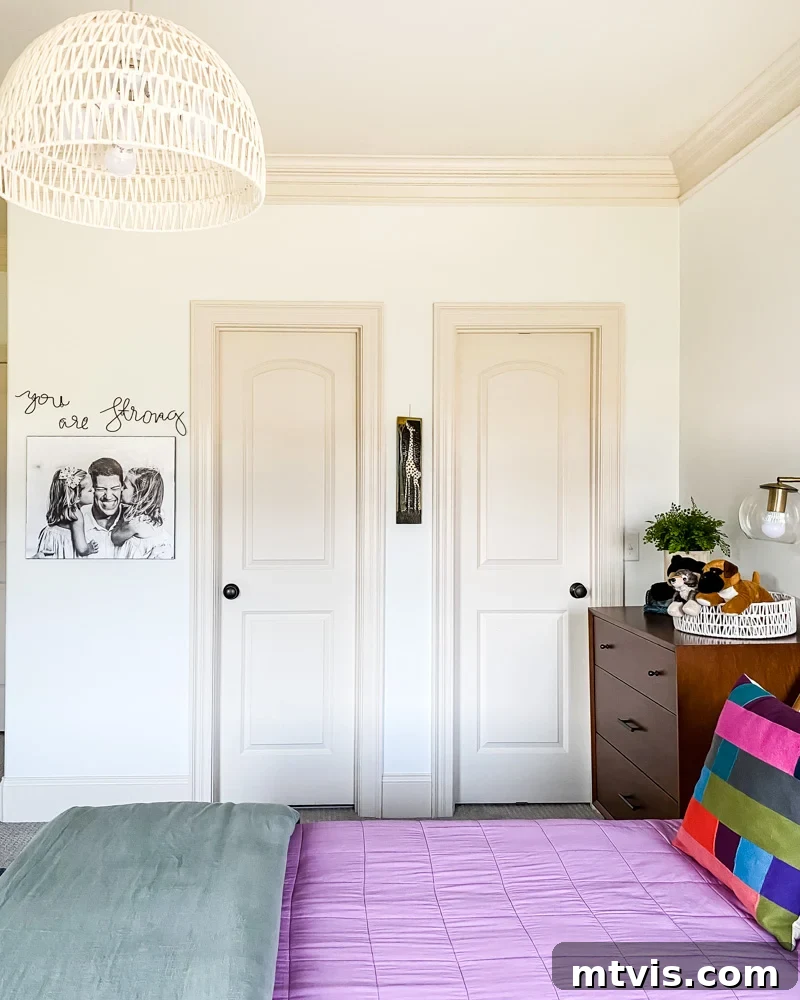
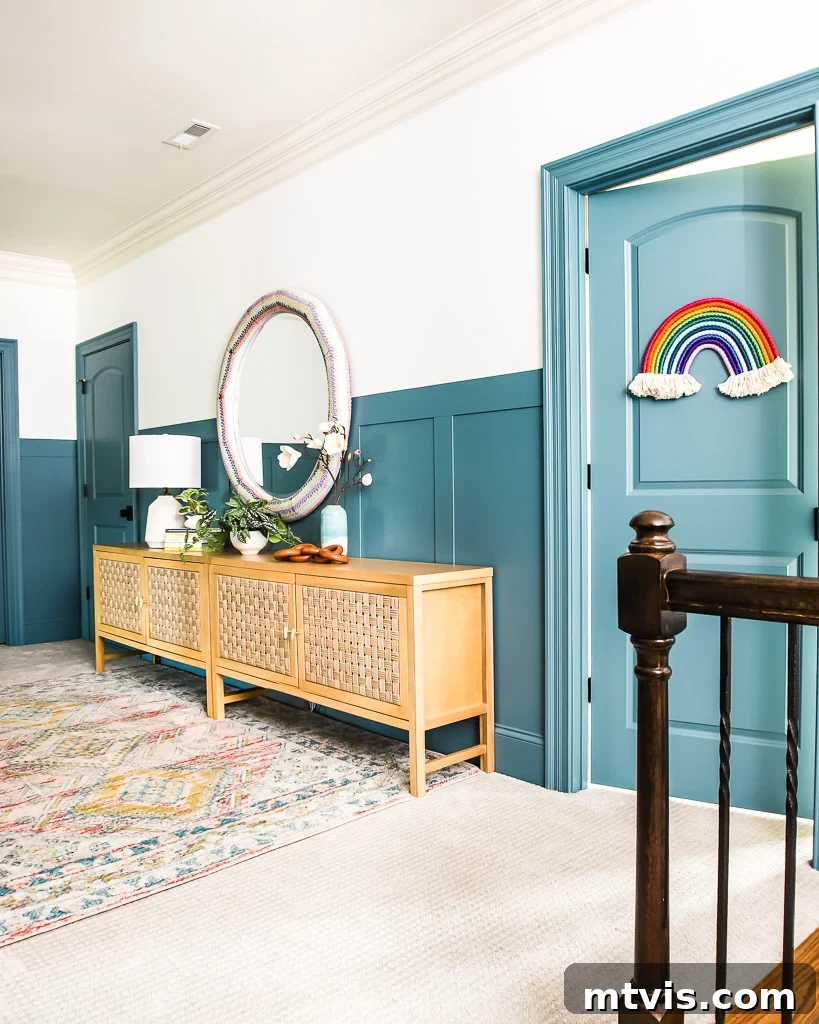
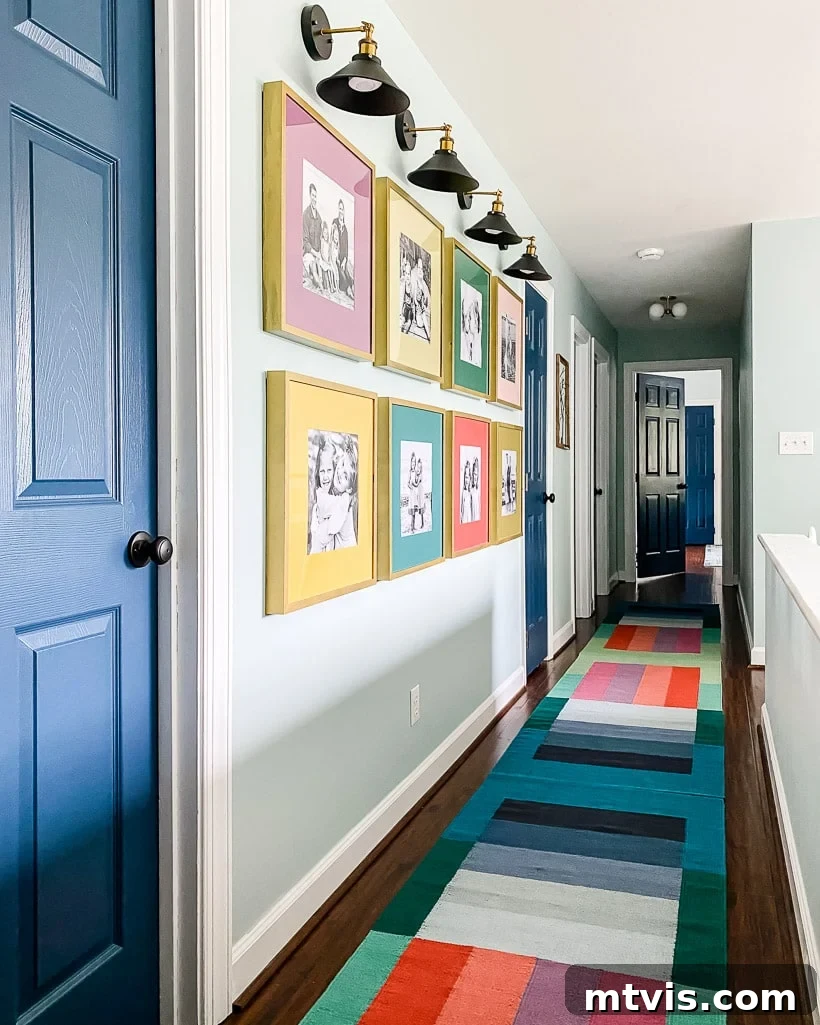
Beyond walls, one surface where I believe satin paint truly shines is on trim, millwork, and interior doors. While semi-gloss or high-gloss are traditionally chosen for these elements, I have a strong preference for the sophisticated, less shiny finish that satin provides. The trim and doors in our current house are painted with a satin sheen, and I absolutely adore the understated elegance it brings. It creates a subtle contrast against eggshell walls, offering a refined look that feels contemporary yet timeless. This choice also extends to unique features, such as the board and batten accent wall we recently installed in our hallway, where maintaining a consistent color and sheen across the trim and decorative wall treatment made perfect sense. As you can see, I’m also a fan of interior trim that isn’t white, demonstrating how satin can beautifully carry richer, deeper colors on architectural details.
Semi-gloss (35-60% Shine)
Semi-gloss paint is distinctly reflective, presenting a noticeable shine that is easily perceived. It is, without a doubt, the most frequently chosen paint sheen for trim, moldings, and doors, a tradition we adhered to with the trim and doors in our previous home. The primary advantage of semi-gloss is its exceptional ease of cleaning and high durability. Its hard, smooth surface repels dirt, resists moisture, and stands up remarkably well to fingerprints, scuffs, and daily wear, making it ideal for high-contact surfaces. However, the downside is that this high reflectivity also has a tendency to accentuate, and sometimes even highlight, any surface imperfections. Every tiny dent, bump, or patch job will be more apparent with a semi-gloss finish. Consequently, meticulous surface preparation is crucial to achieve a flawless look. Beyond trim, semi-gloss is often specified for areas that experience heavy use and frequent cleaning, such as kids’ rooms, bathrooms, laundry rooms, and kitchens. While I personally lean away from using semi-gloss on large wall surfaces due to its tendency to show imperfections and create a highly reflective environment, it remains an absolutely beautiful and practical choice for cabinetry and all types of trim and millwork, where its robust qualities are truly invaluable.
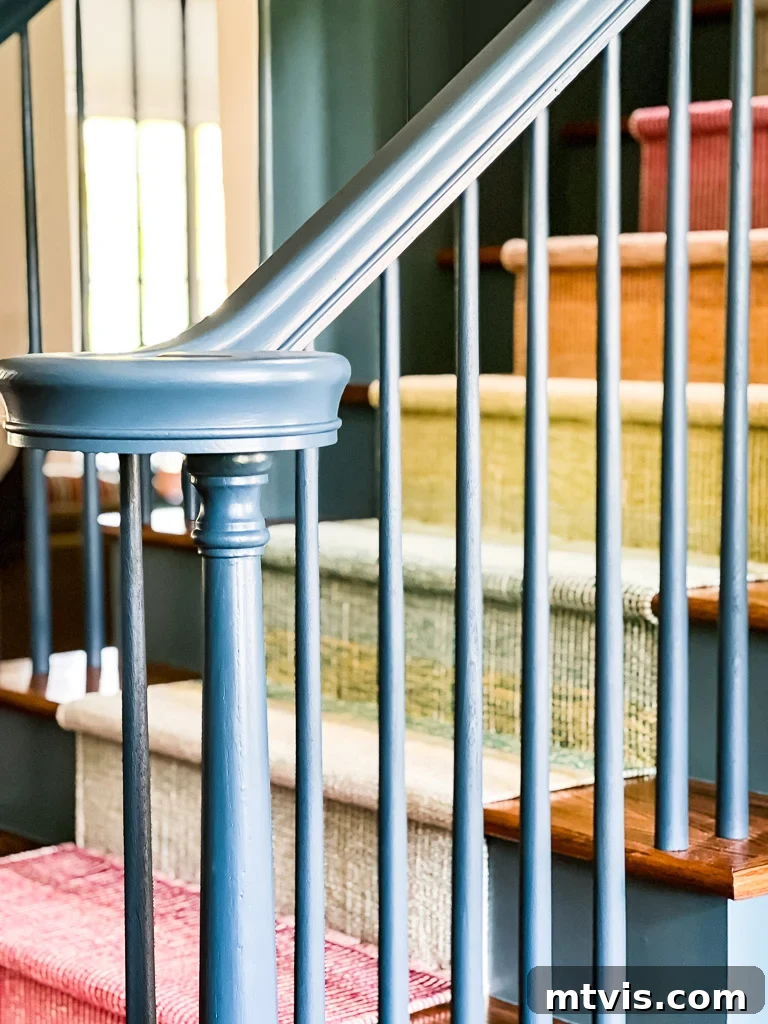
Even with our current home’s preference for satin trim and doors, we strategically selected semi-gloss for our new DIY stair handrail and balusters. This decision was driven by the understanding that these elements are touched constantly and require the utmost durability to withstand continuous interaction and maintain their pristine appearance over time. The enhanced resilience and cleanability of semi-gloss ensure that this high-traffic area remains beautiful and well-maintained for years to come.
High-Gloss (>60% Shine)
High-gloss is the most reflective and mirror-like paint finish available, short of using a specialized lacquer. It delivers an intensely shiny, almost glass-like surface that truly makes a statement. This finish boasts the highest durability and is the easiest to clean among all paint sheens. Its exceptionally hard and smooth surface is incredibly resistant to moisture, stains, fingerprints, and scuff marks, making it the ultimate choice for areas that demand maximum resilience and frequent washing. However, the extreme reflectivity of high-gloss paint means it will magnify every single surface flaw – even the slightest imperfections become glaringly obvious. Therefore, it requires meticulous preparation and perfectly smooth substrates to achieve a truly stunning result. High-gloss paint is an excellent choice for interior trim, doors, and cabinets that are flawlessly smooth and well-prepped, where its vibrant sheen can create a dramatic, luxurious effect. It is also often used on furniture or statement pieces to create a bold, modern look. Conversely, if you live in a historic home with charming but imperfect original trim and baseboards (a common scenario I’m very familiar with), you might find yourself happier with a satin or semi-gloss finish. These slightly less reflective options will draw less attention to the delightful character and minor flaws that often come with older homes, preventing them from being highlighted by a harsh glare. Use high-gloss wisely, prioritizing perfectly smooth surfaces to truly showcase its unparalleled brilliance.
Frequently Asked Questions
There isn’t a single “best” paint sheen, as the ideal choice depends entirely on the specific application, desired aesthetic, and functional requirements of your space. However, we can categorize general best uses: high-gloss offers the highest durability and cleanability, making it excellent for specific high-impact surfaces. For interior walls, flat, matte, or eggshell paints are generally preferred for their ability to hide imperfections and provide a softer look. Semi-gloss and high-gloss paints are typically reserved for trim, doors, and woodwork, where their superior resilience and ease of cleaning are highly beneficial.
The choice between eggshell and satin for walls hinges on the expected wear and tear and your personal aesthetic preference. If your walls are in high-traffic areas, or you anticipate they will get dirty and require frequent wiping, satin paint is often the better choice due to its superior cleanability and durability. It withstands more rigorous cleaning without damage. However, if wear and tear are less of a concern, and you prefer a softer, less reflective finish, eggshell is an excellent option. It offers a subtle sheen that hides minor imperfections better than satin and provides a beautiful, understated elegance. If you like a noticeable yet soft sheen and enhanced protection, satin is your go-to; for a more muted, sophisticated look with good durability, eggshell is ideal.
Based on industry trends and consumer preferences, satin finish is widely considered the most popular interior paint finish. Its broad appeal stems from its exceptional balance of aesthetics and practicality. Satin offers a pleasing, soft luster that adds a touch of sophistication to walls without being overly shiny, making it versatile for many rooms. More importantly, its enhanced durability and ease of cleaning—compared to flatter sheens—make it a practical choice for various living spaces, including high-traffic areas like living rooms, dining rooms, hallways, and even children’s bedrooms.
Absolutely! Using different paint sheens in the same room is a common design technique that adds depth, dimension, and visual interest. A popular approach is to use a lower sheen (like eggshell or matte) on walls for a softer look, and a higher sheen (satin or semi-gloss) on trim, doors, and crown molding. This contrast highlights architectural details and leverages the superior durability of higher sheens for high-touch surfaces. For ceilings, a flat finish is almost universally recommended to minimize glare and conceal imperfections, creating a cohesive and well-designed space.
Yes, paint sheen can significantly influence how a paint color appears in a room. Flatter finishes tend to make a color look deeper, richer, and truer to its swatch because they absorb more light. As the sheen increases, the paint becomes more reflective, causing the color to appear brighter and potentially lighter, especially under direct light. A high-gloss finish, for example, will reflect so much light that the color can seem much more vibrant and intense. Always test paint samples with your chosen sheen on your walls, as the interaction of natural and artificial light with the sheen will dictate the final perceived color.
Choosing the right paint sheen doesn’t have to be an overwhelming task. By understanding the distinct characteristics of each finish – from its reflective qualities to its durability and cleanability – you can confidently select the best option for every surface in your home. Consider the functionality of each space, the amount of traffic it receives, and the overall aesthetic you wish to achieve. While shinier finishes are practical for high-traffic, high-moisture areas where easy cleaning is paramount, softer, lower-sheen finishes can lend a subtle elegance and sophisticated depth to more serene spaces. Ultimately, the decision is a blend of practicality and personal style. Take the time to consider your options, experiment with samples, and then confidently embark on creating the beautifully painted home of your dreams.
Explore More Paint Posts
SEE ALL PAINT POSTS
-
9 Life-Changing Painting Hacks Everyone Should Know
-
How Durable are DIY Painted Kitchen Cabinets?
-
How to Paint Kitchen Cabinets (From a DIYer Who Has Done it 3 Times)
-
How Have Our Painted Countertops Held Up?
-
How to Paint IKEA Furniture and Mistakes to Avoid
-
How Much Paint Do I Need for My Room?
Other posts you may enjoy:
- Sherwin-Williams Pure White Color Review with Pictures
- How to Choose Paint Colors for Your Home: 6 Simple Tips to Follow
- Benjamin Moore Swiss Coffee- Is it Right For You?
- Beautiful Blue Paint Colors Designers Love & Use
Wondering how I approach transforming rooms and spaces in our home? Check out Designer in a Binder®.
And if you want exclusive content and behind-the-scenes sneak peeks, be sure to subscribe before you head out!