The Secret to a Tidy Home: Overcoming Common Organizing Mistakes
Many of us strive for a clean home, spending precious time dusting, vacuuming, and scrubbing. Yet, despite our best efforts, we often find ourselves looking around and thinking, “Why does it still look so messy?” The truth is, there’s a significant difference between a house that is clean and one that is truly tidy. While a clean home lacks dirt and grime, a tidy home exhibits order, intentionality, and visual peace. It’s the difference between merely being germ-free and feeling genuinely serene and organized.
This common conundrum plagues countless households. You might diligently maintain a spotless environment, but if your belongings lack proper “homes” or are simply overwhelming the space, your house will inevitably appear cluttered. This isn’t a reflection of your cleaning habits, but rather a sign that certain organizing pitfalls are at play.
The good news? These common organizing mistakes are not only prevalent but also remarkably simple to identify and fix. By addressing these key areas, you can transform your living space from perpetually chaotic to effortlessly ordered, allowing your beautiful decor and clean surfaces to truly shine. Read on to uncover these organizing traps and learn practical, actionable strategies to restore lasting order to your home.
Table of Contents
Understanding the Clean vs. Tidy Paradox
It’s a familiar scenario: you’ve just spent hours scrubbing your kitchen, vacuuming the living room, and wiping down surfaces. The house smells fresh, and every countertop sparkles. Yet, there’s an underlying sense of disarray, a subtle chaos that prevents your home from feeling truly pulled together. This is the “clean but messy” paradox, and it stems from a fundamental misunderstanding of what makes a space feel truly organized.
A clean home is about hygiene and upkeep—removing dirt, dust, and grime. A tidy home, however, is about visual harmony and functional order. It’s about every item having a designated place, about surfaces being clear, and about reducing visual noise. You can have sparkling floors and still have piles of paper on the table, shoes scattered by the door, or an overloaded bookshelf creating a sense of overwhelm. These are the elements that contribute to a “messy” appearance, regardless of how clean everything else might be. Addressing these organizational shortcomings is key to unlocking the true potential of your living spaces and creating an environment that genuinely feels peaceful and orderly.
5 Common Organizing Mistakes That Make Your House Look Messy
Organizing Mistake No. 1: The Refrigerator as a Bulletin Board
Your refrigerator is often the focal point of your kitchen, and while it might seem like a convenient spot for important reminders, using it as a catch-all for school schedules, party invitations, grocery lists, and outdated coupons is an organizing mistake that instantly makes your entire kitchen look chaotic. Even if your countertops are gleaming and your dishes are put away, a fridge plastered with papers creates visual clutter that detracts from an otherwise spotless space. It’s not only visually overwhelming but also an ineffective way to keep truly important information accessible.
How to Fix It: Create a Dedicated Family Command Center
Instead of relying on your refrigerator, establish a proper “command center” to manage the daily influx of paper and family communications. This designated area, even if small, can dramatically improve the organization and flow of your home. Here’s how:
- Choose a Location: Find an unused wall space in your kitchen, mudroom, or even a corner of a hallway.
- Essential Components: Your command center should include elements like a wall calendar for appointments, a whiteboard or chalk board for notes, a few file folders or a mail sorter for incoming papers, and a small pinboard for truly temporary items.
- Actionable Papers: Create clear categories for incoming papers: “To Do,” “To File,” “To Shred,” and “To Recycle.”
- Digital Alternatives: Consider digitalizing schedules and reminders using shared family calendars (like Google Calendar) to reduce the need for physical papers.
- Regular Purge: Commit to clearing out your command center regularly – perhaps once a week – removing outdated items and filing away important documents.
You can see my favorite command center systems in this post. All it takes is a little wall space and a few minutes to decide what system you are going to use to make sure you stop cluttering up your refrigerator. You can read my best tips for setting up a command center and system that works in this post.
Organizing Mistake No. 2: The Peril of Paper Piles and Unsorted Mail
Another prevalent organizing mistake that can make even the cleanest home feel messy is the accumulation of paper piles. Whether it’s stacks of mail on the kitchen counter, magazines on the coffee table, or important documents gathering dust on your desk, these piles, no matter how neatly stacked, signal disarray. Beyond the visual clutter, paper piles are a recipe for forgotten tasks, missed bills, and lost important information, creating unnecessary stress and potential financial penalties.
How to Fix It: Implement a Daily Mail & Paper Management System
The key to conquering paper clutter is to deal with incoming mail and documents consistently and immediately. This daily habit takes mere minutes but yields significant results:
- Process Mail Daily: As soon as mail enters your home, sort it immediately. Have a designated spot for recycling junk mail, shredding sensitive documents, and placing items that require immediate action (e.g., bills, invitations). Never let mail sit in a “to sort later” pile.
- Create an Action Station: For papers that need attention, establish a simple system. This could be a small tray for “To Pay/Act On” and another for “To File.” Deal with these items within 24-48 hours.
- Embrace Online Bill Pay: Transitioning to online bill payments is one of the most effective ways to reduce paper clutter and ensure bills are paid on time. Set up automatic payments for recurring expenses, and schedule a specific time twice a month (e.g., the 1st and 15th) to log in and pay any other online bills.
- Reduce Unwanted Mail: Take proactive steps to decrease the amount of junk mail you receive. Services like PaperKarma and Catalog Choice can help you opt out of unwanted catalogs and solicitations. Additionally, consider canceling print subscriptions for magazines and newspapers you can easily read online.
- Go Paperless Where Possible: Many financial institutions and service providers offer paperless statements. Opting in can significantly reduce the volume of mail entering your home.
Organizing Mistake No. 3: A Dysfunctional Entryway or Foyer
Your entryway or foyer serves as your home’s first impression and the crucial transition zone between the outside world and your personal sanctuary. When this space is cluttered with discarded coats, backpacks haphazardly tossed, and shoes strewn across the floor, it creates an immediate sense of chaos, regardless of how tidy the rest of your house may be. This isn’t just about the aesthetic; a dysfunctional entryway hinders smooth daily routines, making it difficult to leave and enter your home efficiently.
Note that “entryway” refers not just to a formal foyer, but the primary door you use to enter your home daily – the place where coats, bags, and shoes naturally accumulate.
How to Fix It: Establish an Organized & Functional Drop Zone
The goal is to create designated “homes” for every item that enters and leaves your home through this space. This requires strategic planning and appropriate storage solutions:
- Declutter and Purge: First, remove anything that doesn’t belong in the entryway. This includes items that need to be put away in other rooms, or anything that is truly trash.
- Maximize Closet Space: If you have an entryway closet, optimize it. Install multiple hanging rods for different heights, add shelves for hats and scarves, and use bins or baskets for smaller items like gloves, keys, or dog leashes. Ensure that coat hooks and hanging rods are accessible for everyone, including young children, to encourage them to put away their own belongings. We redid our coat closet to make it more user-friendly for our young girls, and it made a huge difference!
- No Closet? No Problem: If you lack a closet, consider wall-mounted coat racks, sturdy hooks, or a stylish hall tree. Pair these with a bench that offers concealed storage for shoes or a row of attractive baskets beneath it for everyday essentials.
- Shoe Organization: Shoes are often the biggest culprit for entryway clutter. Implement a shoe rack, a basket, or a shoe cabinet to keep them contained. Encourage everyone to place their shoes directly into their designated spot upon entering.
- Dedicated Landing Spot: Create a small surface (like a console table or a shelf) for keys, mail to be processed, or items you need to grab on your way out.
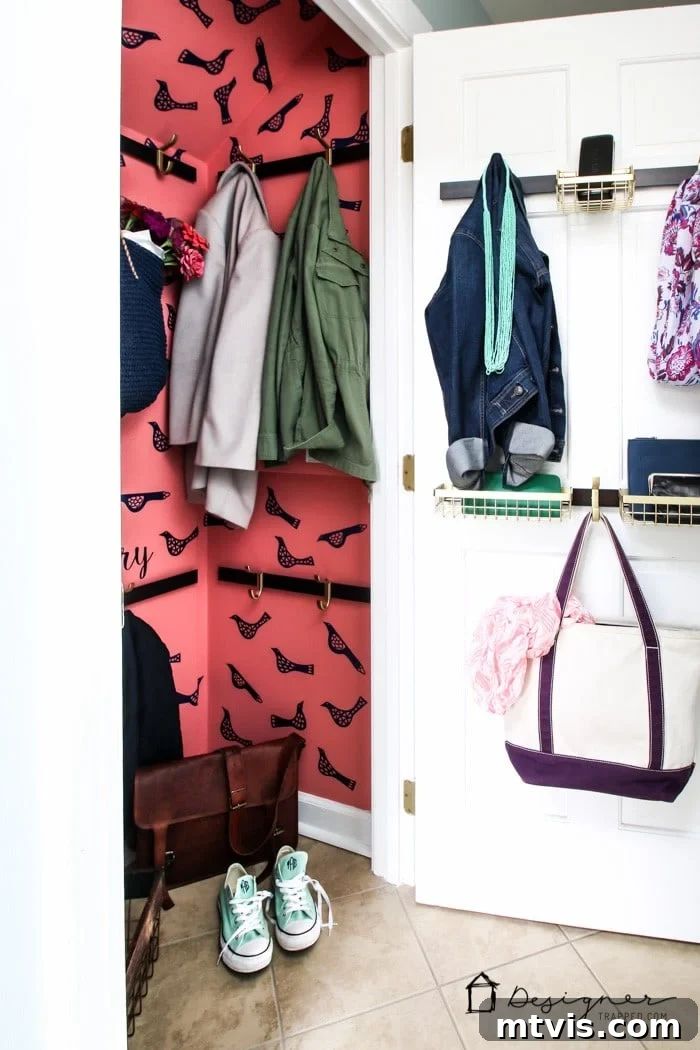
My friend Aniko, who blogs at Place of My Taste, came up with this awesome solution for the area by her front door—click here for all the details of how she created an organized entryway.
Organizing Mistake No. 4: Too Many Small Decor Items and Knick-Knacks
This is a personal pet peeve for many organizers: homes that are clean but appear messy due to an excessive number of small decorative items, figurines, and miniature picture frames adorning every horizontal surface. While each item might be cherished or aesthetically pleasing on its own, a multitude of small objects creates visual noise, makes dusting a chore, and prevents a room from feeling calm and spacious. Regardless of how thoughtfully these items are “curated,” an abundance of small pieces often translates to an overwhelmingly cluttered look.
How to Fix It: Embrace Thoughtful Curation and Large-Scale Decor
The goal isn’t to eliminate all decor, but to be more intentional and strategic about what you display. Think “less is more” and focus on impact over quantity:
- Curate Your Collections: Instead of displaying every single sentimental item, choose a few favorites to showcase. Rotate items seasonally or periodically to keep your decor fresh and purposeful.
- Opt for Larger Statement Pieces: A few larger decorative objects or sculptures will have more visual impact and create a cleaner look than many small ones.
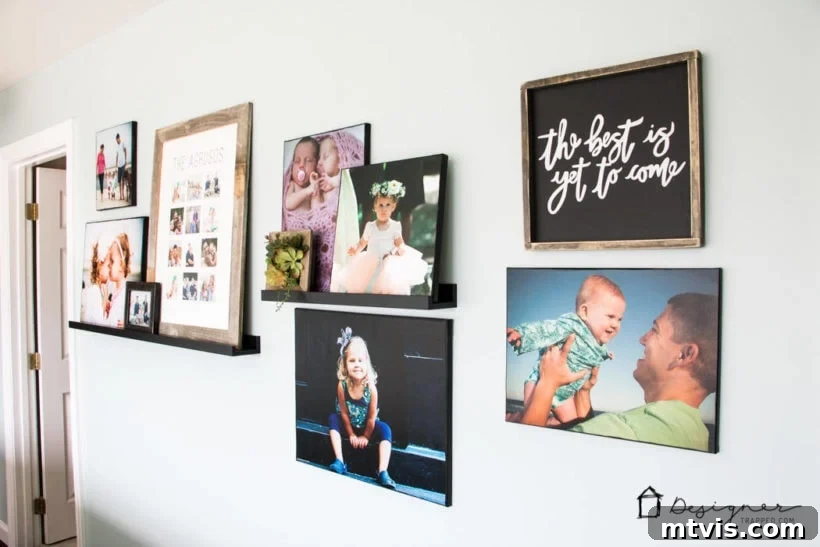
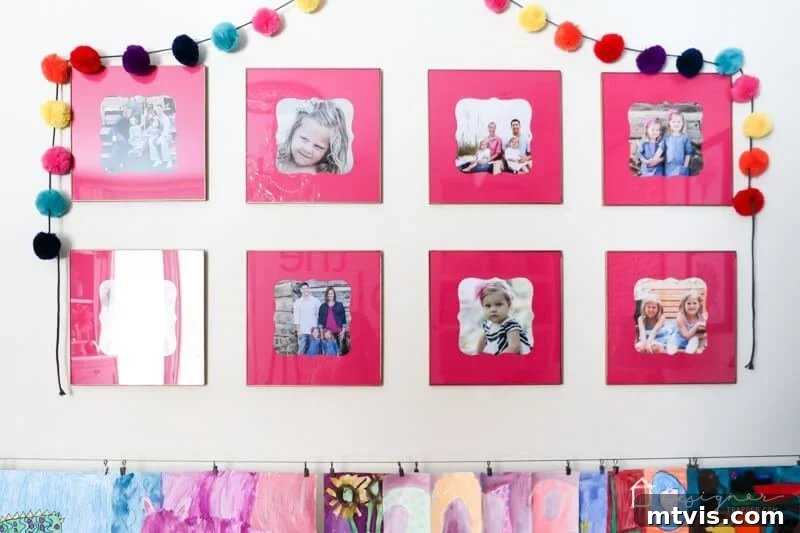
- Prioritize Wall Art: Family photos are wonderful and should absolutely be part of your home decor, but they are often best displayed on walls in larger formats rather than scattered in small frames on every tabletop. This frees up surface space and creates a cohesive gallery feel. You can achieve this affordably! I have tons of these easy-to-make DIY photo canvases in our hallway and filled this entire wall in my daughter’s room with these semi-DIY gold frames for less than $10 each.
- Create “Breathing Room”: Leave some surfaces completely empty. These negative spaces allow your eyes to rest and highlight the items you’ve chosen to display, preventing the room from feeling overwhelming.
- Think Vertically: Utilize wall space for shelving or mounted displays instead of consuming precious counter or table space.
Organizing Mistake No. 5: Overstuffed Bookcases and Cluttered Surfaces
Finally, let’s tackle the issue of clutter, particularly when it comes to storage solutions like bookcases and other horizontal surfaces. A common organizing mistake is to cram every shelf to its maximum capacity with books, magazines, and miscellaneous items. While it serves a storage purpose, an overstuffed bookcase creates visual chaos and prevents the room from feeling balanced or inviting. This principle extends to all surfaces: if every inch of a coffee table, dresser, or counter is covered, even with “organized” piles, your home will invariably appear messy.
How to Fix It: Embrace Intentional Display and Negative Space
The key here is to view your storage units and surfaces as opportunities for thoughtful display and visual balance, not just mere repositories for belongings:
- Curate Your Book Collection: Start by decluttering your books. Keep only the ones you truly love, reference often, or intend to re-read. Consider donating or selling books that no longer serve a purpose.
- Mix & Match Display: Instead of filling every shelf with books, arrange them creatively. Stack some horizontally, place others vertically. This creates visual interest and breaks up the monotony.
- Incorporate Decorative Elements: Introduce carefully chosen decorative accessories like small plants, sculptural objects, framed art, or aesthetically pleasing storage boxes on your shelves. These elements add personality and sophistication.
- Leave Intentional Empty Space: This is crucial. Every shelf and surface needs “breathing room.” Don’t feel compelled to fill every available spot. Negative space allows your eye to rest and prevents a feeling of overwhelm. This makes your curated items stand out more effectively. You can see what I mean with these IKEA pieces that I “hacked” to create the look below in my daughter’s room.
- “One Touch” Rule for Surfaces: For coffee tables, side tables, and dressers, adopt a “one touch” rule. When you bring something into the room, it either goes directly into its designated storage spot or is dealt with immediately, rather than being placed on a surface “temporarily.”
- Utilize Bins and Baskets: For items that tend to accumulate (like remote controls, magazines, or kids’ toys), use stylish bins, baskets, or decorative boxes to contain them neatly. This instantly reduces visual clutter while keeping essentials close at hand.
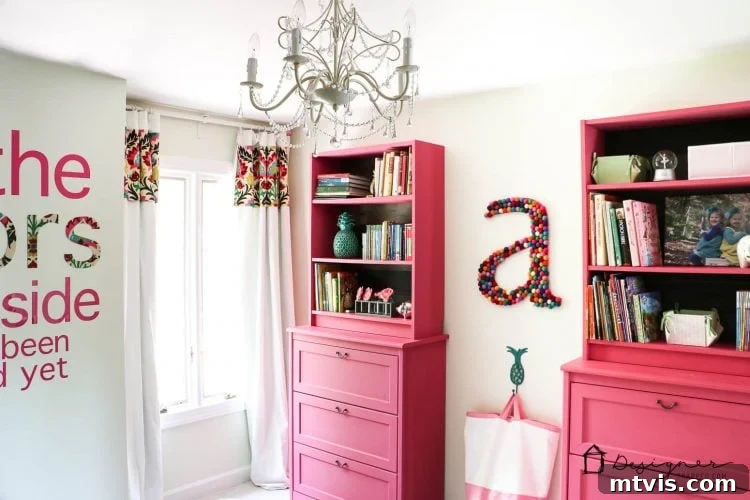
The same is true for any space in your home! Every room and surface needs room to breathe. If everything is crammed full of clutter (even “organized” clutter), your house will perpetually look messy. Period.
Achieving Lasting Order: Your Path to a Serene Home
There you have it! By understanding and actively avoiding these five common organizing mistakes, you are well on your way to transforming your home from merely clean to truly tidy and serene. It’s not about achieving perfection overnight, but about implementing sustainable habits and creating systems that support a more organized lifestyle.
Remember, a tidy home is a journey, not a destination. Consistent effort, even just a few minutes each day, will build momentum and create lasting changes. Imagine the peace of mind that comes with knowing where everything is, the joy of walking into a visually calm space, and the pride of a home that truly reflects your best self. Start with one mistake, tackle it with the practical tips provided, and watch as your home transforms into the ordered sanctuary you deserve.
Other posts you may enjoy:
- Learn How to Declutter Your Home: A Realistic Guide
- How to Conquer the Emotions of Decluttering
- Genius Small Space Organization Hacks
- How to Organize Your Life With Work + Kids
- How to Go Paperless
- How to Organize Kitchen Cabinets (In a “Normal” Kitchen)
- Stay Organized with the Perfect Family Wall Calendar
Wondering how I approach transforming rooms and spaces in our home? Check out Designer in a Binder®.
And if you want exclusive content and behind-the-scenes sneak peeks, be sure to subscribe before you head out!