Unlocking the Secrets to Beautiful Homes: 5 Essential Habits for Stunning Interior Design

Do you often scroll through social media feeds, admiring impeccably designed rooms and wishing your own living space could possess that same allure? It’s a common sentiment to desire a home that looks like it belongs in a magazine – a space that feels inviting, stylish, and uniquely yours. The good news is that creating such a home is not just a dream reserved for interior designers or those with limitless budgets. In fact, people with truly beautiful homes consistently practice a few fundamental habits that transcend specific design styles or financial constraints.
Regardless of whether you favor a minimalist aesthetic, a vibrant bohemian look, classic traditionalism, or modern farmhouse charm, certain core principles contribute to a well-designed and aesthetically pleasing environment. These aren’t complex rules, but rather thoughtful approaches to how you organize, decorate, and plan your living spaces. By understanding and adopting these five key practices, you can transform your home into the gorgeous sanctuary you’ve always envisioned. Let’s delve into the habits that empower homeowners to create breathtaking interiors.
5 Habits That Define Truly Beautiful Homes
1) They Master Organization and Maintain Clutter-Free Spaces
This is arguably the most foundational habit for anyone aspiring to a beautiful home: consistent organization. A truly stunning home is never chaotic. You won’t find stacks of unread mail on every surface, school notices cluttering the refrigerator, or outdated coupons overflowing drawers. Instead, everything has a designated place, and efficient systems are in place to ensure that items are returned to their spots with minimal effort. This doesn’t mean a sterile, show-home perfection; rather, it implies an underlying order that prevents visual clutter and allows the beauty of the design to shine through.
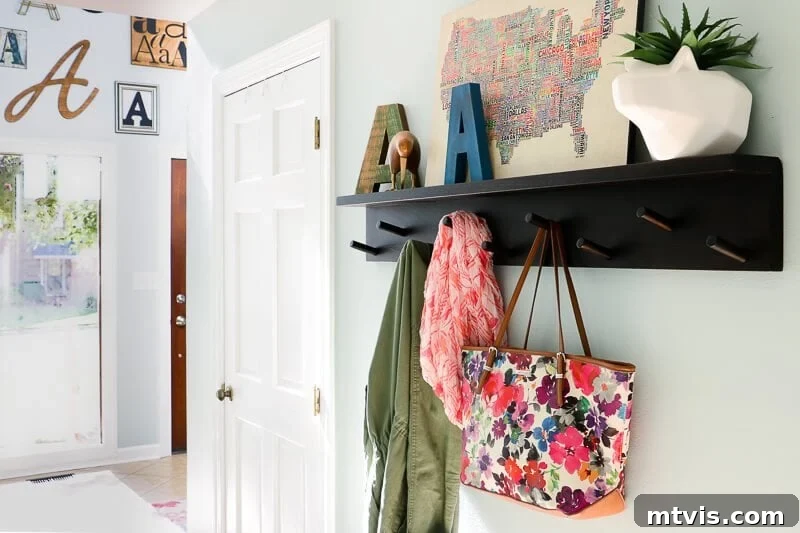
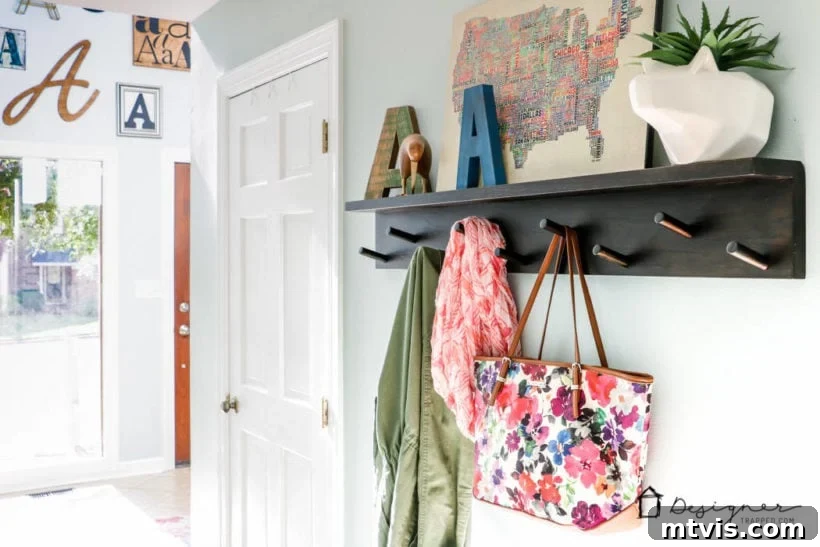
Consider the impact of a well-organized entryway. Keys, jackets, bags, and shoes all have a discreet home, preventing a messy pile-up the moment you walk through the door. This immediate sense of order sets a calm tone for the entire house. Beyond just aesthetics, an organized home reduces stress, saves time (no more searching for lost items!), and fosters a sense of tranquility. Homeowners who prioritize organization understand that thoughtful storage solutions, regular decluttering, and established routines are not just chores but essential investments in the beauty and functionality of their living environment. By committing to these practices, they ensure their spaces remain welcoming and visually appealing.
2) They Incorporate “White Space” for Visual Breathing Room
The concept of “white space” in interior design is crucial, though it doesn’t necessarily mean painting your walls white. It refers to the empty, uncluttered areas within a room – space on the floor, walls, and between furniture pieces. A beautiful home feels open and airy, allowing inhabitants and visitors alike to breathe and relax. It avoids the common pitfall of filling every corner to the brim with oversized furniture, excessive decor, or too many collectibles. When a room has ample white space, each piece of furniture and decor can truly stand out, rather than blending into an overwhelming visual cacophony.
Achieving this involves thoughtful furniture selection and placement. Opt for pieces that are appropriately scaled for the room, avoiding bulky items in smaller spaces. Arrange furniture to create clear pathways and leave open floor areas. On walls, rather than hanging art everywhere, consider intentional groupings or a single, impactful piece balanced by empty wall space. This deliberate restraint in decoration creates a sense of calm and sophistication, allowing the eye to rest and appreciate the curated elements within the room. It’s about quality over quantity, ensuring that the space never feels cramped or overwhelming.
3) They Utilize a Thoughtfully Chosen Home Color Palette
A striking characteristic of beautiful homes is their seamless flow, often achieved through a cohesive and well-planned color palette that extends throughout the entire house. Have you ever entered a home where each room is a starkly different color? The effect can be jarring, making the space feel disconnected and less harmonious. In contrast, a home with a consistent color scheme, even if subtly varied, feels unified and inviting.
Many homeowners fear that using a limited color palette will result in a boring interior, but the opposite is true. By selecting a core set of 3 to 5 colors that complement each other, you can establish a sense of continuity that enhances the overall aesthetic. These colors can be used for wall paints, major furniture pieces, and integrated through textiles and accessories. The beauty of a cohesive palette is that it allows for individual room styles to differ while still maintaining a strong sense of unity. For example, a living room might feature a modern design, while a bedroom could lean more traditional; if they share common colors, the entire home will still feel connected. This strategic use of color creates a sophisticated backdrop that makes the home feel professionally designed and incredibly inviting. If you need help choosing colors for your home, read this post on the failproof way to pick paint colors.
In many well-designed homes, a few primary wall colors might be used, complemented by an accent color that is repeated in various forms across different rooms. This repetition could be through pillows, artwork, rugs, or decorative objects. This method ensures that while each space has its unique character, they all speak the same visual language, creating a harmonious and aesthetically pleasing experience as one moves from room to room.
4) They Thoughtfully Mix Furniture, Avoiding Matching Sets
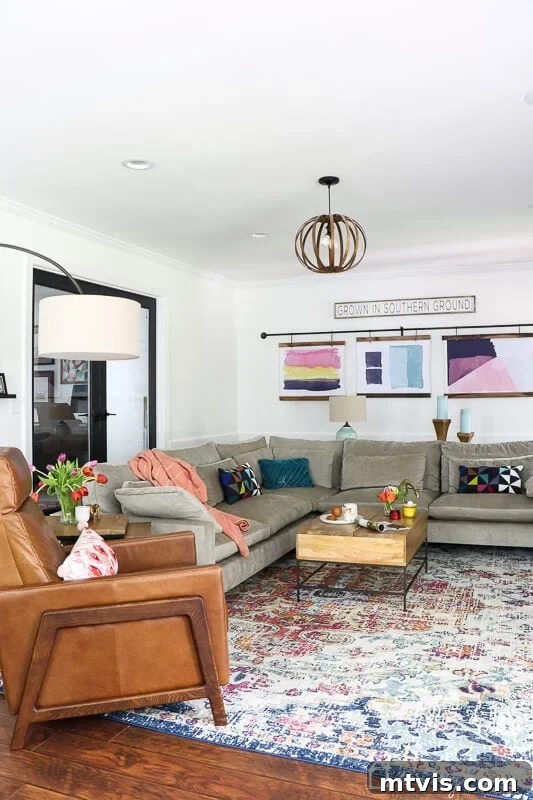
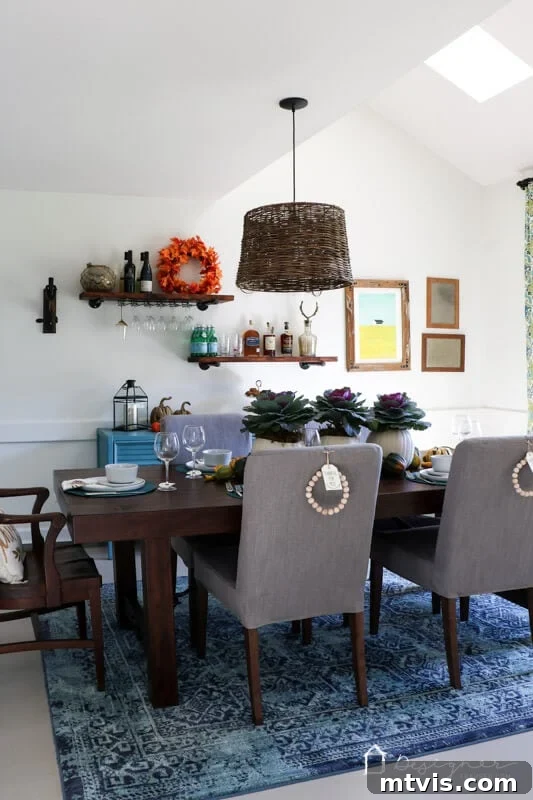
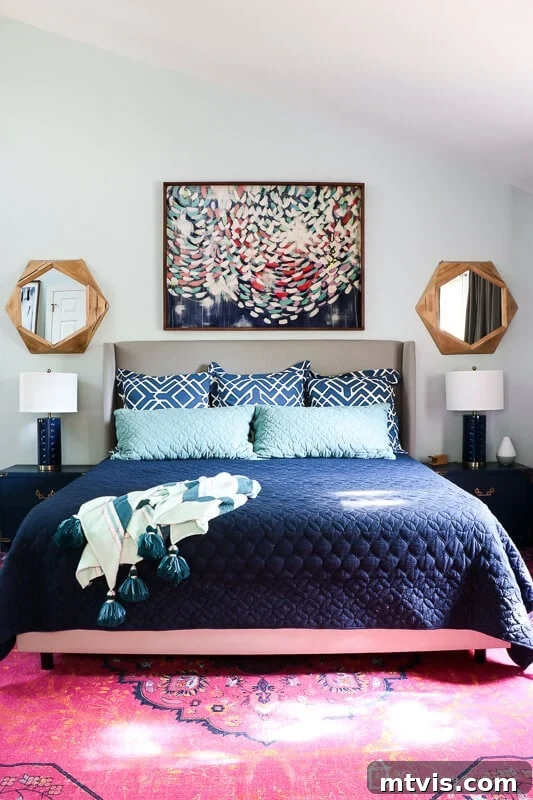
One of the hallmarks of a truly beautiful and curated home is that it feels like the pieces within it have been lovingly collected over time, each telling a story. This authentic, layered look is almost impossible to achieve when rooms are furnished with entire matching sets, such as a bedroom suite with identical dresser, nightstands, and headboard, or living rooms featuring a coffee table and side tables from the same collection. While convenient, matching sets often create a flat, uninspired aesthetic that lacks character and depth.
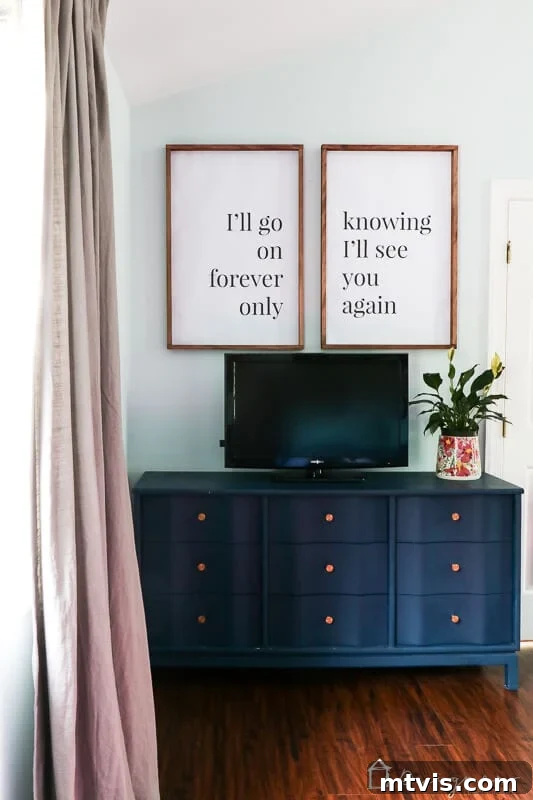
Instead, people with gorgeous homes master the art of mixing and matching. They combine different wood tones, varying finishes, and a range of styles that complement rather than identically reproduce each other. This approach allows for a more dynamic and personalized space. For instance, a vintage dresser might be paired with contemporary nightstands, or an antique coffee table might anchor a modern sofa. The key is to select pieces that share a common thread – perhaps a similar design era, a complementary color, or a shared texture – even if their origins are distinct. This creates visual interest and makes the home feel unique and thoughtfully assembled, much like a gallery of cherished items. While it’s perfectly fine to have a sofa and loveseat in the same upholstery for continuity, the most attractive homes showcase a deliberate blend of furniture that feels gathered and evolved over time, rather than purchased all at once.
Even if some furniture pieces started as a matching set, smart homeowners might customize them (e.g., by painting) or pair them with entirely different items to break up the uniformity. This blend of new and old, custom and off-the-shelf, creates a rich and inviting environment that truly reflects the homeowner’s personality and journey.
5) They Create a Cohesive Design Plan Before Decorating
Perhaps the most crucial habit of all: people with truly beautiful homes don’t just randomly acquire items they like and hope they come together. Instead, they operate with a clear, cohesive design plan. This meticulous planning goes beyond just selecting a color palette; it encompasses space planning, understanding the scale of furniture and decor in relation to the room, and knowing how to harmoniously mix patterns, textures, and styles within a given space. It’s an intentional, thoughtful process that serves as the blueprint for their entire home.
Without a design plan, homeowners often fall victim to common interior design mistakes, such as purchasing ill-fitting furniture, creating unbalanced layouts, or ending up with a collection of disparate items that never quite gel. A well-defined plan, on the other hand, acts as a guiding principle, ensuring that every purchase and every design decision moves towards a unified and desirable outcome. It empowers you to visualize the finished space, make informed choices, and avoid costly errors or buyer’s remorse.
Creating such a plan might sound daunting, suggesting the need for a professional interior designer. However, this is not necessarily the case. Anyone can develop a strong design plan with the right resources and approach. This involves steps like defining your personal style, creating mood boards, measuring your space accurately for effective furniture arrangement, and budgeting for your decor aspirations. By taking the time to plan upfront, you invest in a process that ultimately saves you time, money, and frustration, leading to a home you genuinely adore.
For those looking for structured guidance, comprehensive systems like Designer in a Binder offer practical tools and step-by-step instructions. Such resources help demystify the design process, enabling you to craft a beautiful, cohesive home environment without the significant expense of hiring a professional. The core idea is to think strategically before you act, ensuring that every element contributes purposefully to the overall beauty and functionality of your living space.
By integrating these five fundamental habits into your approach to home decor and maintenance, you’re not just decorating; you’re cultivating an environment that is beautiful, functional, and reflective of your ideal living experience. Start small, focus on one habit at a time, and watch as your home transforms into the stunning space you’ve always admired.