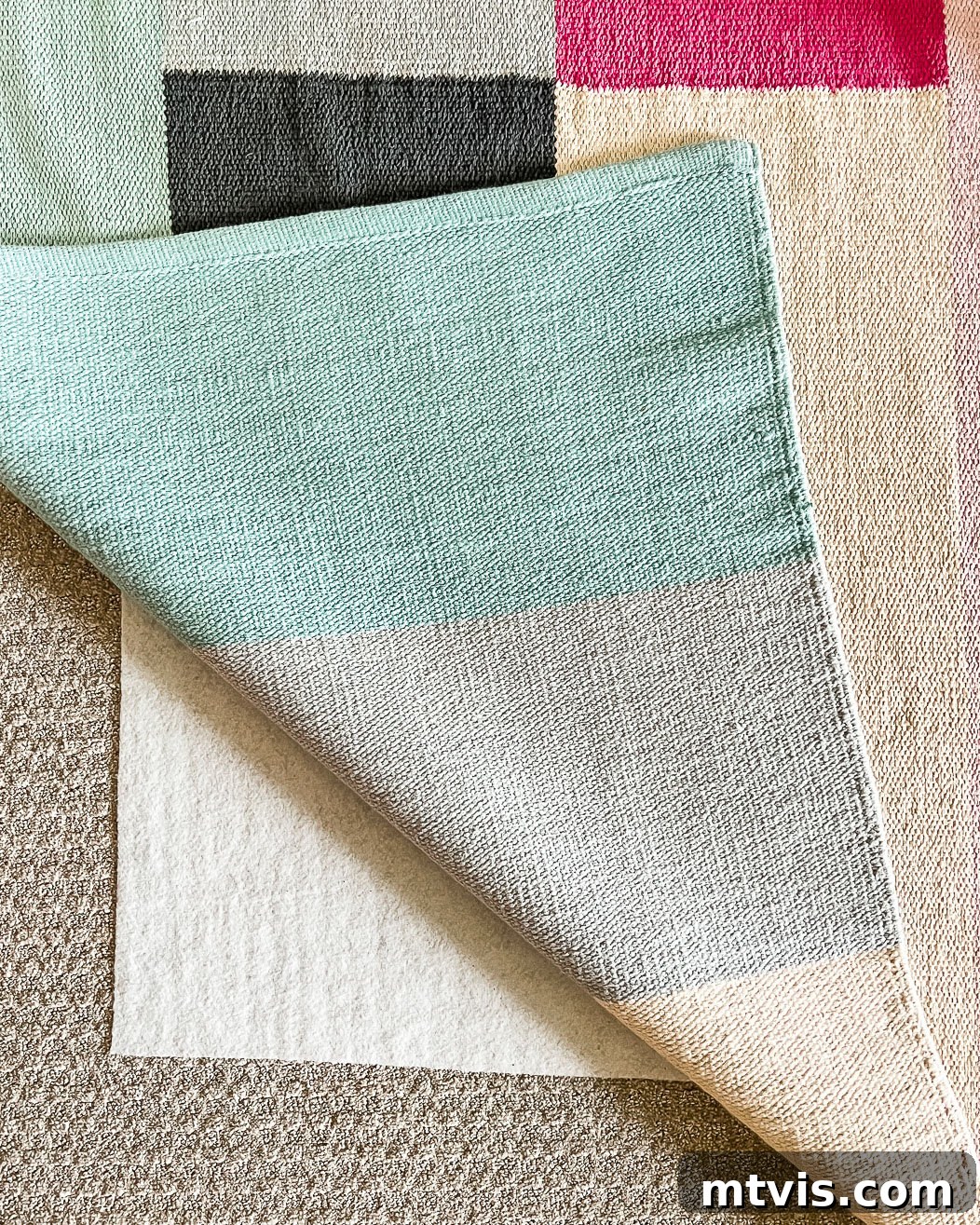
Are you considering a new area rug for your home? If so, a crucial question often arises: Do I really need a rug pad? The resounding answer is a definitive YES! Far from being an optional accessory, a high-quality rug pad is an indispensable investment that offers a multitude of benefits, from extending the life of your rug to protecting your floors and enhancing overall comfort. With a vast array of options available, selecting the right rug pad can seem daunting. This comprehensive guide will walk you through my top rug pad recommendations and provide expert tips on choosing the perfect one for your specific flooring and rug type.
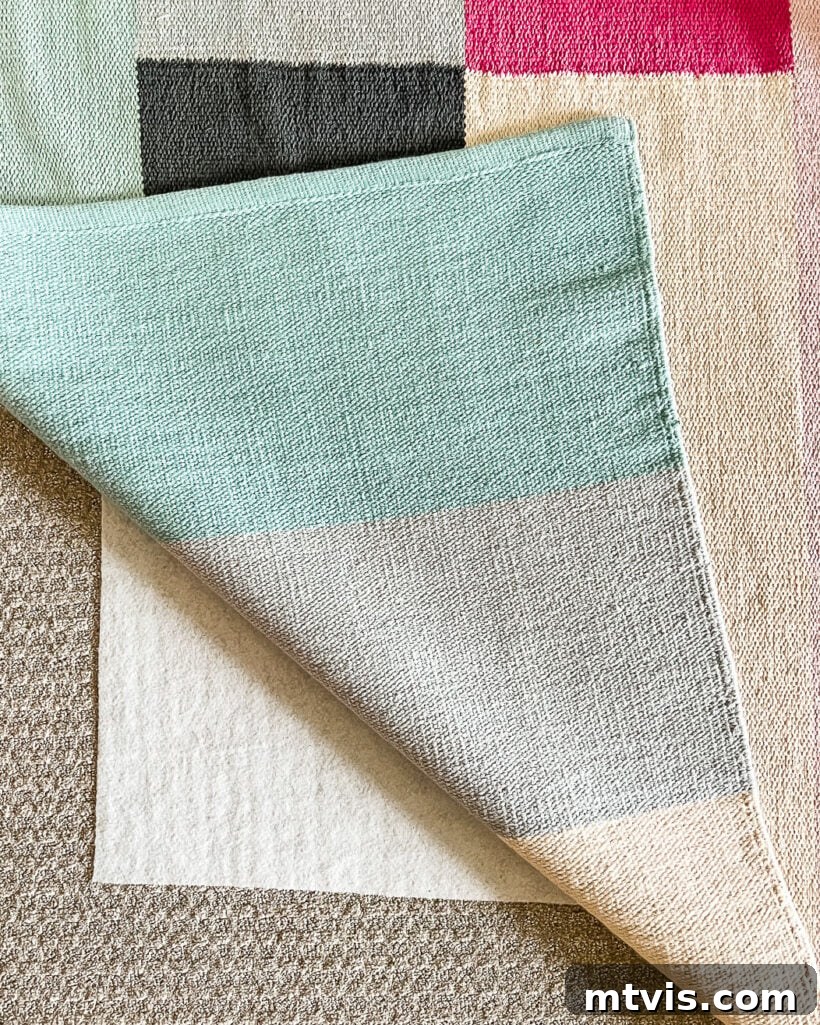
Table of Contents
What is a Rug Pad?
Simply put, a rug pad is a protective layer of material positioned between your area rug and the floor beneath it. Its primary function is multifaceted: it acts as a crucial barrier, preventing the abrasive rubbing of rug fibers against your flooring, which is a common cause of wear and tear. Furthermore, a well-chosen rug pad is designed to keep your area rug securely in place, eliminating frustrating movement, bunching, or dangerous sliding. These essential accessories come in a variety of sizes, thicknesses, and grip styles, each offering distinct advantages. Understanding these variations is key, as some rug pads are exceptionally effective and worth every penny, while others may prove to be ineffective or even detrimental.
Rug pads are typically made from materials like felt, natural rubber, or a combination of both. Felt pads offer superior cushioning and insulation, while rubber pads excel in non-slip properties. Combination pads aim to provide the best of both worlds, featuring a felt top for comfort and a rubber bottom for grip. Different thicknesses also cater to various needs; a thicker pad provides more plushness and sound absorption, while a thinner pad is ideal for low-profile rugs or areas where door clearance is an issue.
Why You Need a Rug Pad: Essential Benefits for Every Home
Incorporating a rug pad under your area rugs offers a wealth of advantages that extend beyond mere aesthetics. It’s a smart investment that safeguards your home and enhances your living experience in several key ways:
- Unrivaled Floor Protection: One of the most critical roles of a rug pad is to protect your valuable flooring. Without a pad, the constant friction of the rug’s backing and trapped dirt particles can act like sandpaper, slowly but surely damaging hard surfaces like hardwood, laminate, or tile. This abrasion can lead to scratches, dulling, and even permanent wear patterns. A quality rug pad creates a protective barrier, absorbing impact and preventing this direct contact, thus preserving the integrity and beauty of your floors for years to come.
- Extends Rug Longevity: Just as it protects your floors, a rug pad also extends the lifespan of your area rug. The cushion provided by the pad minimizes the stress on the rug’s fibers, preventing them from being crushed, flattened, or prematurely worn out, especially in high-traffic areas. This extra support helps maintain the rug’s original appearance, pile height, and structural integrity, ensuring your investment lasts longer.
- Enhanced Safety: A rug that constantly shifts, slides, or bunches poses a significant tripping hazard for everyone in your household, especially children, the elderly, and pets. This risk is amplified on slippery surfaces like polished hardwood or tile. A non-slip rug pad securely anchors your rug to the floor, providing a stable foundation that prevents dangerous movement. For those of us who might be a bit clumsy, this peace of mind is invaluable.
- Superior Comfort and Cushioning: Beyond protection and safety, a rug pad dramatically improves the tactile experience of your area rug. It adds an extra layer of plushness and cushion, making your rug feel softer, more luxurious, and incredibly comfortable under bare feet. This added comfort is particularly noticeable with thinner rugs, transforming them into inviting, cozy surfaces.
- Effective Sound Dampening: Do you live in a multi-story home or an apartment? Rug pads are excellent at muffling sound. They absorb impact noise from footsteps and can significantly reduce ambient room echo, creating a quieter and more peaceful environment. This is a huge benefit, especially in homes with active children or energetic pets.
- Improved Airflow and Insulation: Certain rug pads, particularly those made of natural felt, allow for better airflow beneath your rug. This breathability is vital in preventing moisture buildup, which can lead to mold, mildew, and unpleasant odors. Additionally, a thicker rug pad can provide a modest layer of insulation, contributing to a warmer room in colder climates and potentially reducing energy costs.
Choosing the Right Rug Pad: A Tailored Approach
The ideal rug pad isn’t a one-size-fits-all solution. Your choice should be carefully considered based on several factors, most notably the type of flooring underneath your area rug, the rug’s thickness, and the amount of foot traffic the area receives.
This post contains affiliate links for your convenience. Click here for my full disclosure policy.
Rug Pads for Area Rugs on Hardwood Floors
When placing an area rug on hardwood, laminate, or luxury vinyl plank (LVP) flooring, breathability is paramount to prevent moisture buildup and potential damage. It is absolutely crucial to avoid rug pads made with PVC (polyvinyl chloride) or those with adhesive backings, especially on expensive hardwood floors. These materials can react with your floor’s finish over time, leading to discoloration, sticky residue, or even permanent damage that is costly to repair. Always opt for pads made from natural rubber or felt-and-rubber combinations that are specifically labeled as safe for hardwood floors, allowing your floors to breathe.
WINNER: Mohawk Home Rug Pad
For area rugs resting on hard surfaces like hardwood, tile, or laminate floors, my top recommendation is often the Mohawk Home rug pad. This pad stands out for its intelligent dual-sided design, which makes it incredibly versatile. It features a dense felt layer combined with a natural rubber backing. When used on hard floors, you should place the rubber side down to maximize grip and prevent slippage, while the felt side faces up to cushion the rug. This construction not only provides excellent non-slip performance but also ensures breathability, preventing the moisture issues associated with cheaper, less permeable pads.
The Mohawk Home rug pad is available in a wide range of standard sizes, but one of its greatest benefits is how easily it can be trimmed with regular household scissors to achieve a perfect, custom fit for any rug shape or dimension. Beyond its practical benefits, this pad adds a significant layer of insulation and a luxurious softness underfoot, enhancing the comfort and warmth of your area rugs. Its durability means it will continue to perform effectively for many years, making it a truly worthwhile investment for protecting both your rug and your floors.
LOSER: Honeycomb Rubber Pads
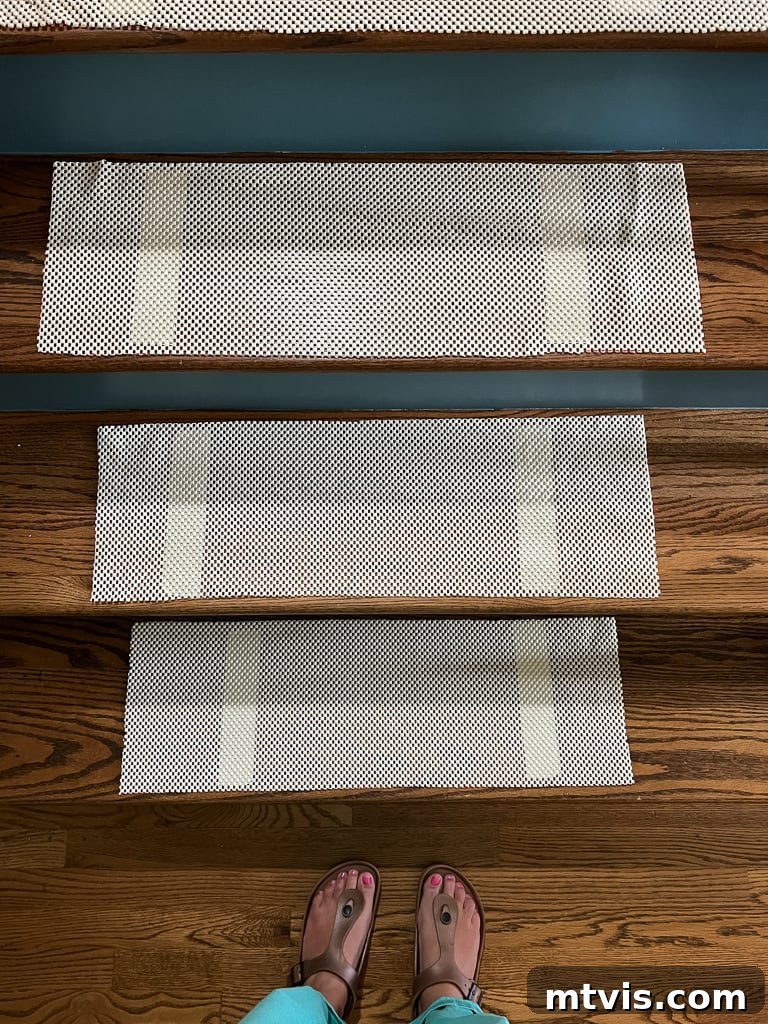
While often a budget-friendly option, I strongly advise against using cheap “honeycomb” rubber pads under area rugs, especially in active households. These flimsy pads, characterized by their open, waffle-like design, simply do not offer sufficient grip, cushioning, or durability for most area rugs. They are notorious for bunching up, shifting, and failing to keep rugs in place, particularly in high-traffic areas where children and pets are constantly moving. This lack of stability can lead to constant frustration and negate the very purpose of a rug pad.
The only scenario where I’ve found this type of rug pad acceptable is under a DIY stair runner installation. In this unique application, the honeycomb pad can be easily cut to size and is held firmly in place by staples that secure the stair runner itself. We reinforced this with double-sided rug tape, ensuring each piece of the pad remained flat. However, it’s crucial to remember that stair runners are typically fixed permanently, unlike free-floating area rugs. Therefore, for your everyday area rugs, I emphatically do not recommend these types of pads.
Rug Pads for Area Rugs on Carpet
Placing an area rug over existing carpet is a fantastic way to define spaces, add warmth, and introduce new design elements. However, many people wonder if a rug pad is still necessary when placing a rug on carpet. The answer is a resounding yes! While a rug on carpet might seem less prone to sliding, it’s actually highly susceptible to wrinkling, bunching, and shifting, creating an uneven surface and a tripping hazard. I have experimented with countless rug pads for this specific scenario, and I can confidently say that only a select few truly perform well. The best choice ultimately depends on the thickness and construction of your area rug.
WINNER for Thin Area Rugs on Carpet: Gorilla Grip Rug Pad
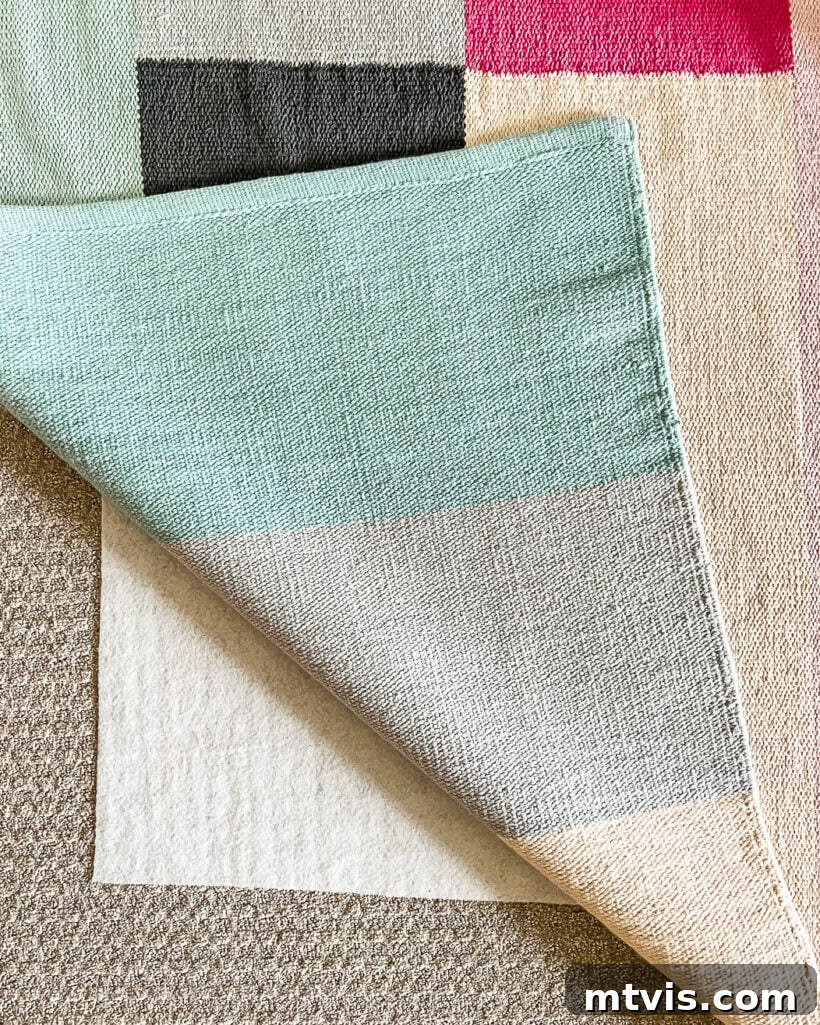
When you’re dealing with a thin, flat-weave, or woven area rug placed over carpet, choosing the right rug pad is critical. Traditional thicker pads can make thin rugs feel too bulky and still allow them to shift. I learned this the hard way! Initially, I placed a colorful thin cotton area rug over the carpet in my daughter Attley’s room using a standard rug-on-carpet pad that was advertised as suitable. Despite the claims, it constantly wrinkled, bunched up, and was a source of endless frustration.

After extensive research and trial, I discovered and ordered this Gorilla Grip rug pad, and the results have been nothing short of perfect. This pad is exceptionally thin, which is precisely what thin rugs on carpet require. It has a slight tackiness to it, which allows it to gently grip the carpet fibers without any harsh adhesives. Crucially, it leaves no sticky residue behind, ensuring your carpet remains pristine. The Gorilla Grip pad effectively prevents wrinkles and keeps the rug smoothly in place, even in areas with moderate foot traffic. For any thin, woven, or flat-weave rug on carpet, I cannot recommend this product highly enough.
WINNER For Plush Area Rugs on Carpet: Mohawk Home Rug Pad
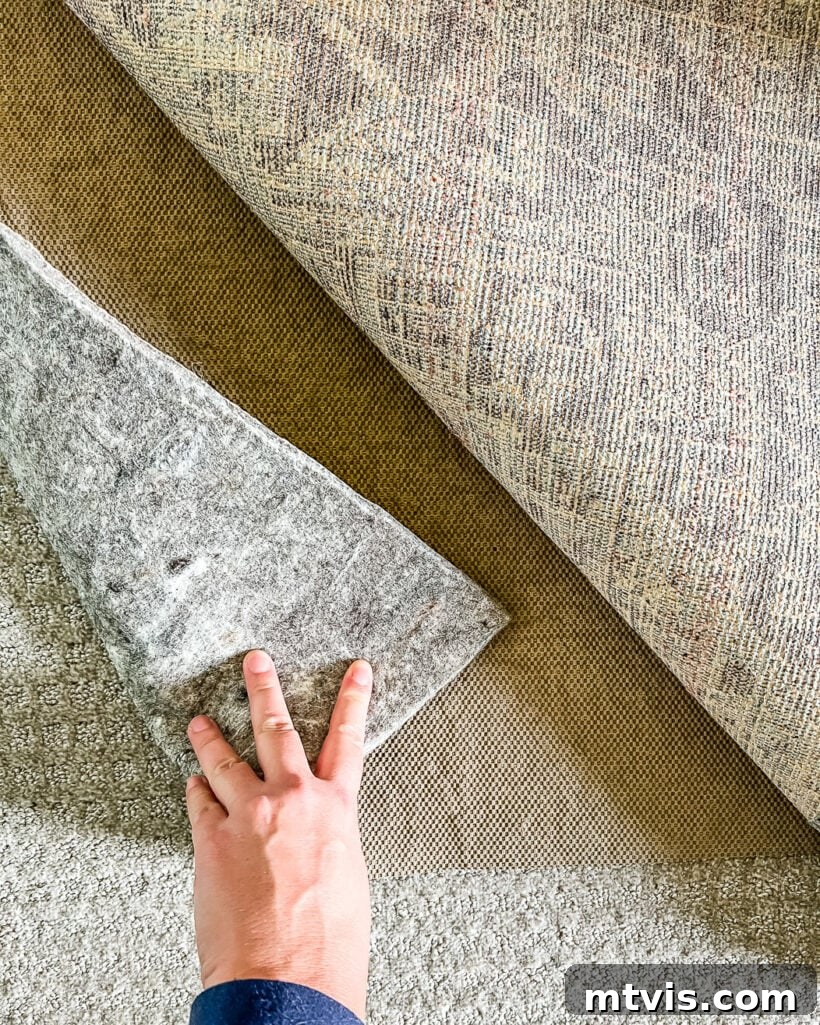
For plush, thicker area rugs placed over carpet, a different approach to rug padding is required. Due to their inherent weight and density, plush rugs are less likely to wrinkle or bunch compared to their thinner counterparts. However, they can still shift and slide, especially in high-traffic zones, and will benefit immensely from added stability and cushioning. For these types of rugs, I confidently recommend the same Mohawk Home rug pad that I endorse for hardwood floors. Its dual-surface design makes it incredibly versatile and perfectly suited for this application.
When using the Mohawk Home rug pad under a plush area rug on carpet, the orientation is key: you’ll want to place the natural rubber side face down, gripping the bottom of your area rug, and the dense felt side face down, resting against your carpet. This configuration leverages the felt’s ability to gently grip the carpet fibers while the rubber firmly adheres to the rug’s backing, creating a stable, non-slip foundation. This not only prevents movement but also adds a luxurious layer of cushion, making your plush rug feel even more opulent and comfortable underfoot. It’s an ideal choice for adding both stability and enhanced softness.
How to Keep Your Area Rugs in Place Without a Rug Pad (When a Pad Isn’t an Option)
While a rug pad is almost always the superior choice for stability, protection, and comfort, there may be specific situations where using one isn’t feasible or desired. Perhaps you have a small accent rug, are on a very tight budget, or are dealing with an exceptionally stubborn rug that even the best pads struggle to contain. In these cases, a few alternative methods can help keep your area rugs from shifting or creating tripping hazards.
Use Rug Anchors or Double-Sided Carpet Tape
For smaller rugs or those particularly prone to corner curling and minor shifts, rug anchors or double-sided carpet tape can be effective solutions. Rug anchors typically consist of reusable, adhesive-backed grippers that attach to the underside of your rug’s corners and then to the floor, providing a strong, localized hold. They are excellent for preventing corner curl and minor sliding.
Alternatively, double-sided carpet tape offers a more robust, full-perimeter hold for rugs on hard surfaces or even carpet. It’s applied directly to the rug’s backing and then pressed firmly onto the floor. I’ve personally used both methods over the years, sometimes even in conjunction with a rug pad, especially to address stubborn rug corners that refuse to lay flat. While effective for preventing movement, it’s important to choose high-quality, residue-free tape, especially on delicate flooring, as cheaper alternatives can leave behind sticky marks. Always test a small, inconspicuous area first.
Screw the Corners of Your Rug Into the Subfloor
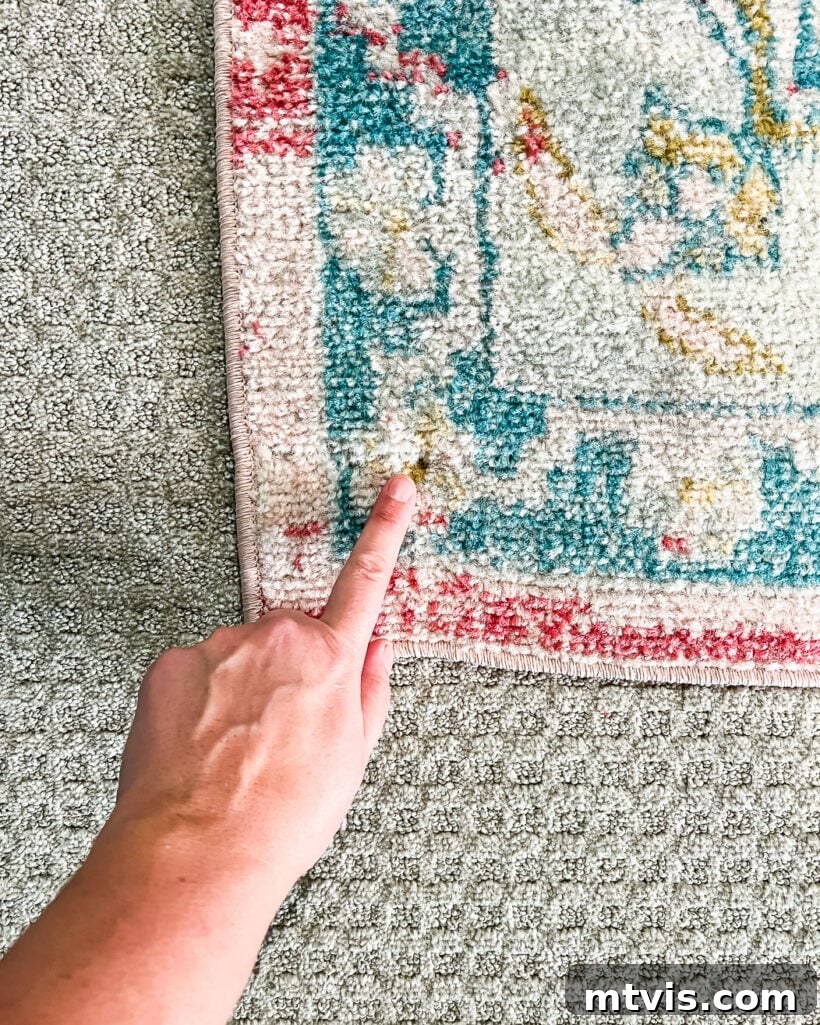
This method is certainly unconventional and might sound a bit extreme, but it’s a highly effective, albeit permanent, solution for rugs in high-traffic areas that absolutely must not budge. We successfully implemented this strategy in our upstairs hallway. For a thin, affordable rug in a heavily used passageway, where carpet tape would eventually lose its grip, driving a small screw into each corner of the area rug, through the carpet, and directly into the subfloor proved to be the ultimate fix.
While this method creates small, permanent holes in the rug, they are typically barely noticeable, especially with a subtle screw head. (As you can see in the photo below, I’m pointing to a screw head that blends in quite well.) This approach offers unparalleled stability. It’s particularly suitable for inexpensive rugs where minor alterations are acceptable, and maximum stability is a priority. While I haven’t experienced any issues with damage to the underlying carpet, it’s a decision that requires careful consideration, especially if you plan to move the rug or if your subfloor has specific materials that might be difficult to repair later. For durable, high-traffic, and budget-friendly rugs, however, it’s a surprisingly effective, long-term solution.
There you have it! The importance of a rug pad extends far beyond simply preventing slips. It’s an essential component for protecting your floors and area rugs from damage, extending their lifespan, adding an extra layer of comfort, providing sound dampening, and ensuring the safety of your home. Investing in a quality rug pad is undoubtedly a decision you won’t regret. However, if a rug pad isn’t the right fit for your specific needs, remember that effective alternatives exist to keep your area rugs securely in place.
More RUG Posts
SEE ALL rug POSTS
-
Designer Tips for Choosing Perfect Kitchen Rug Runners
-
How to Choose the Best Rug Size for Your Living Room
-
How to Install a Stair Runner: A Step-by-Step Tutorial
-
How to Keep Rug Corners Down – Tips and Tricks for Every Homeowner
-
The Best Places to Shop for Affordable Rugs
-
The Rug Pad Guide: What You Need to Know Before You Buy
Other shopping guides you may enjoy:
- Unique Coffee Table Ideas
- Our Unbiased West Elm Spencer Recliner Review (After 4 Years)
- Our Unbiased West Elm Harmony Sofa Review (After 4 Years of Using It)
- 25+ Entryway Benches with Storage
Wondering how I approach transforming rooms and spaces in our home? Check out Designer in a Binder®.
And if you want exclusive content and behind-the-scenes sneak peeks, be sure to subscribe before you head out!
(Subscription form placeholder – actual form functionality would be handled by external script)