Choosing the right flooring for your home is one of the most impactful decisions you’ll make during any renovation project. Far more than just a functional necessity, your floors significantly influence the overall aesthetic, comfort, and long-term value of your living space. Yet, the sheer number of options—from classic hardwood and elegant tile to modern laminate and innovative vinyl—can feel overwhelming. The initial thought of replacing existing floors, often involving tearing out old materials and subflooring, laying down padding, and installing new surfaces, is enough to strike fear into the heart of many homeowners.
Let’s face it: outdated or poorly maintained floors can seriously detract from a home’s appearance and comfort. But there’s no need to feel stuck or despair! Even the most worn or unsightly floors can be transformed with one of the myriad of different flooring options available today. Many solutions exist that don’t require an astronomical budget. In fact, you have plenty of creative and inexpensive ways to refresh your floors, sometimes with nothing more than a few gallons of paint and a clear vision.
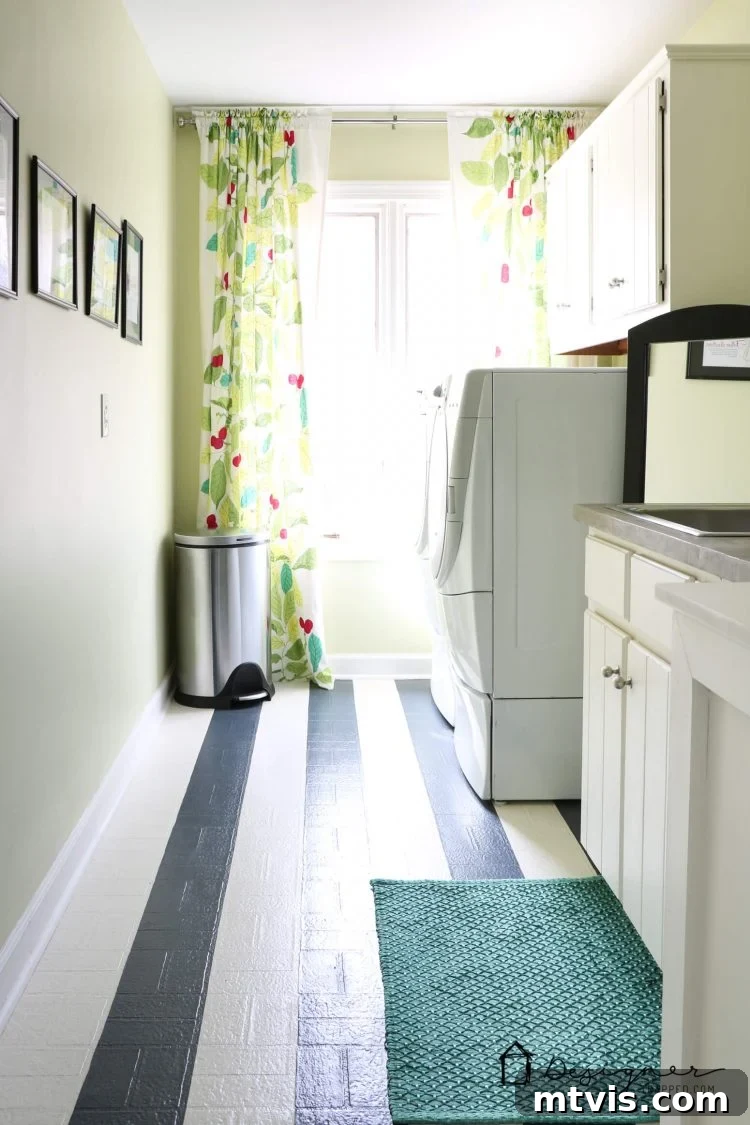
Our own experiences vividly demonstrate this transformative power. We successfully painted our laundry room’s VINYL floors, and the results were truly beyond our expectations, holding up perfectly for years. Seriously, we haven’t seen a single scratch, except when we had to drag our old, heavy water heater across the floor – and even that was a quick and easy touch-up job!
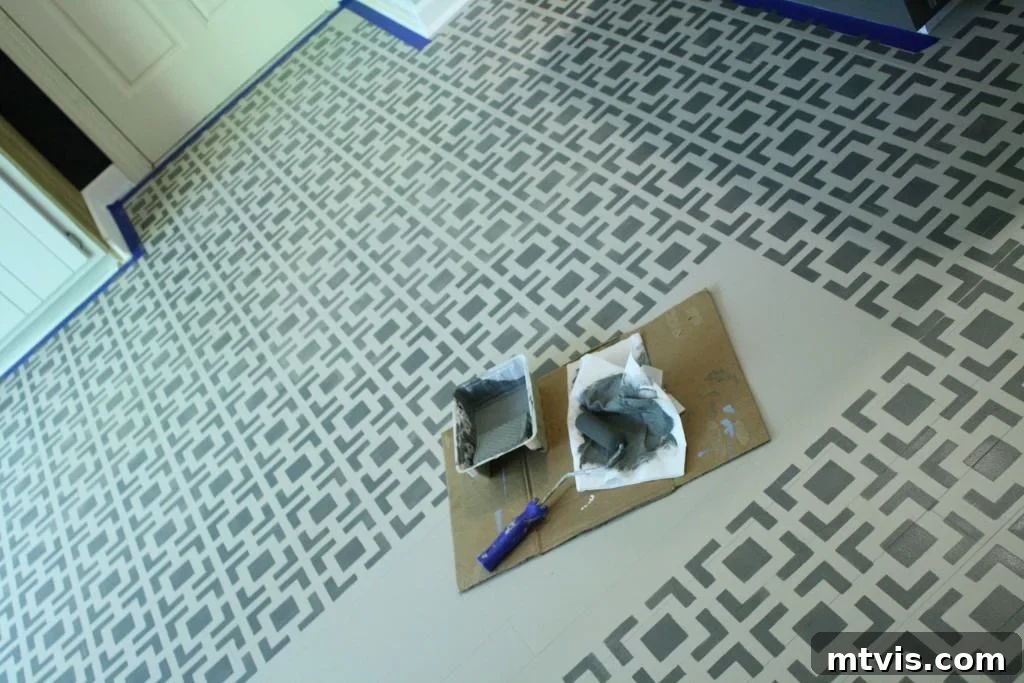
When our kitchen had less-than-lovely bamboo flooring, we took the plunge and decided to paint and stencil the floors. The outcome was absolutely amazing, and we remain completely in love with it! This unique flooring choice impressively withstands the daily chaos of twins, a playful 90-pound dog, and all the high traffic of a busy, vibrant kitchen. These personal projects are testament to the incredible possibilities available for even the most challenging flooring situations.
For the rest of our home, we were confronted with extensive, truly daunting, and incredibly beige carpeting throughout our bedroom, playroom, and living room. After careful consideration, we chose laminate flooring. Yes, LAMINATE! And honestly, we are incredibly pleased with our decision. You can read all about why we opted for laminate flooring for our home in a dedicated post. The particular flooring we selected was not only affordable (a fantastic $1.97 per square foot from Sam’s Club) and easy to install, but it also looks absolutely gorgeous and has proven to be the most durable flooring we’ve ever encountered. It masterfully mimics the sophisticated appearance of real hardwood, but without all the stress of constantly worrying about protecting your floors from daily wear and tear.
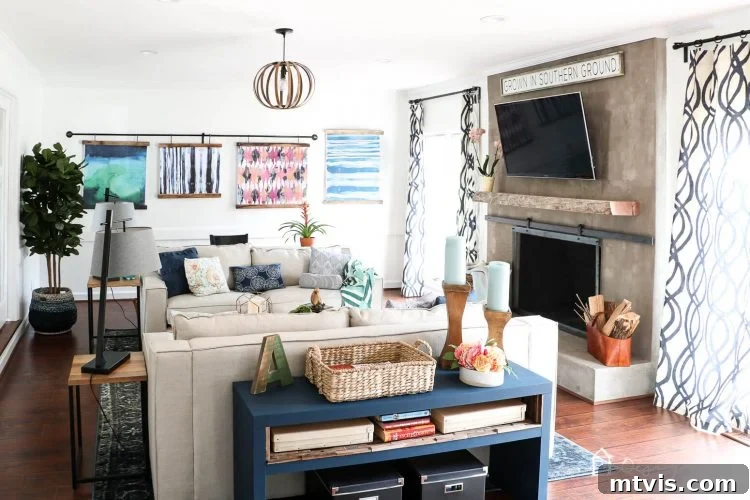
Specifically for our bedroom, we installed Select Surface’s Truffle Laminate flooring. This brand offers a diverse range of colors, and we used Canyon Oak downstairs – the shades are harmoniously close enough that you wouldn’t notice a significant difference walking between the two distinct floorings. Our satisfaction with this choice is immense, and we further elaborate on why we’re so happy with our laminate decision here.
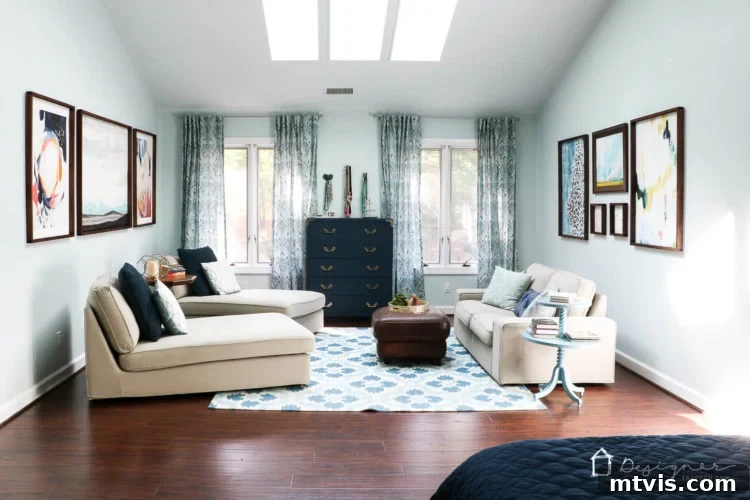
Therefore, if you’re currently faced with less-than-ideal flooring, there’s absolutely no need to fret! The market is overflowing with fantastic affordable flooring options. You are not beholden to the look of your current floors, and significant transformations are within reach. Furthermore, if you’re in the market to buy a new home, don’t pass up an otherwise great property simply because of dated carpeting or scratched-up floors. If the house has good bones and no underlying structural damage, flooring is often a cosmetic fix that is entirely doable and can yield immense returns on your investment and enjoyment, I promise.
To assist you in making an informed decision about what type of flooring is right for you, we’ve compiled a comprehensive guide covering the pros and cons of the most popular flooring types. With so many possibilities to explore, you’re sure to find the best flooring options to suit your budget, lifestyle, and aesthetic preferences, even if you’re starting with challenging ugly beige carpeting like we once did!
For your convenience, this post contains affiliate links. Check out our full disclosure policy here.
The Ultimate Guide: Pros & Cons of Popular Flooring Types
Laminate Flooring
Pros: As my personal anecdotes highlight, my enthusiasm for laminate floors is well-founded. I once held the common misconception that laminate was, by nature, tacky. Modern laminate flooring, however, has profoundly changed my perspective. High-quality options, like the Select Surfaces flooring we chose, feature advanced hand-scraped textures and realistic photographic layers that make them virtually indistinguishable from real hardwood. Installation is typically a straightforward process, often utilizing a click-and-lock system that makes it highly DIY-friendly, significantly reducing labor costs. Beyond its visual appeal, laminate is exceptionally durable, engineered to resist scratches, dents, and fading far better than many natural wood products. Many varieties also come with an integrated foam backing, which simplifies subfloor preparation by eliminating the need for separate underlayment installation. It’s a remarkably affordable option, with prices generally ranging from $0.50 to $3.00 per square foot. Cleaning and maintenance are also incredibly easy, requiring only a simple wipe-down with a vinegar solution or a multi-surface cleaner like Mrs. Myer’s Multi-Surface, keeping your floors looking pristine with minimal effort.
Cons: While laminate has come a long way, the quality spectrum is broad. Lower-priced laminate options can indeed appear less authentic, lacking the detailed textures and robust construction of premium products. For those with extremely tight budgets, even quality laminate might necessitate a phased installation, tackling one room at a time. A key limitation of laminate is its susceptibility to water damage; prolonged exposure to standing water can cause the fiberboard core to swell, warp, and delaminate, making it a less suitable choice for perpetually wet environments like certain bathrooms or basements without specific water-resistant versions. Once the core is damaged by moisture, it is typically irreparable and requires replacement.
Tile Flooring
Pros: Tile flooring is celebrated for its timeless appeal, remarkable durability, and exceptional versatility, making it a stellar choice for enhancing the aesthetic of any room. It seamlessly complements a wide spectrum of décor styles, from rustic farmhouse to sleek contemporary. Tile is available in an extensive range of materials, including classic ceramic, robust porcelain, elegant granite, earthy slate, luxurious marble, and even sophisticated faux wood or stone designs, offering endless design possibilities. Ceramic tile, often the most economical option, is particularly popular for high-moisture areas like bathrooms and kitchens due to its superior water resistance and ease of cleaning. Tile is incredibly hard-wearing, capable of withstanding heavy foot traffic, resisting scratches, dents, and stains. Its non-porous nature (especially porcelain) makes it hygienic and ideal for allergy sufferers. Moreover, tile is perfectly suited for modern radiant heated flooring systems, providing a luxurious and comfortable warmth underfoot. Prices vary widely, from around $1 per square foot for basic ceramic to over $20 for exotic natural stone, accommodating diverse budgets.
Cons: One of the most common complaints about tile is its inherent coldness, which can be an unwelcome sensation when stepping out of bed or a shower, particularly in colder climates. Its hard surface can also be unforgiving; standing for extended periods may cause discomfort, and dropped items, such as glassware or ceramics, are more likely to break. Tile floors tend to be louder than softer flooring options, echoing footsteps and other sounds. While the tile itself is durable, the grout lines are a weaker point; they can stain, crack, and deteriorate over time, requiring consistent cleaning, periodic sealing, and potential re-grouting, which can be a tedious process. Repairing a cracked or damaged tile is challenging, as matching existing tiles and grout colors perfectly can be difficult, often necessitating professional assistance. Furthermore, certain polished or glazed tile finishes can become extremely slick when wet, posing a slip hazard, especially in areas like laundry rooms or around pools.
Hardwood Flooring
Pros: Hardwood flooring has long been revered as the epitome of classic elegance, natural warmth, and enduring value. Before my positive experiences with laminate, I was a devoted hardwood enthusiast, choosing it almost exclusively for its inherent beauty and relatively easy care. Hardwood offers an unparalleled array of options in terms of wood species (oak, maple, cherry, walnut, etc.), finishes (matte, gloss, hand-scraped), and constructions (solid or engineered wood, parquet designs), sourced both domestically and internationally. This diversity allows for deep personalization to perfectly match any interior design vision. While starting around $3 per square foot and significantly increasing for rarer species or complex installations, hardwood is a substantial investment that invariably enhances a home’s resale value. It’s relatively easy to maintain with regular sweeping and occasional mopping, and its natural resilience provides good stain resistance. A standout advantage of hardwood is its ability to be refinished multiple times. Should the surface become scratched, worn, or subtly damaged, it can be sanded down and re-stained, restoring its original splendor and extending its lifespan for many decades.
Cons: Despite its many virtues, hardwood also presents specific challenges. It is a hard surface, which, much like tile, can be loud underfoot, amplifying sounds. It’s also less forgiving for prolonged standing, which can be taxing on joints. Area rugs become almost essential not only to dampen noise and add comfort but also to provide crucial protection against daily wear. Hardwood is susceptible to scratches from pet claws, furniture, and high heels, as well as dents from heavy impacts. Its Achilles’ heel is moisture; spills left unaddressed can lead to warping, buckling, staining, or even mold growth, making it a less-than-ideal choice for high-moisture areas like kitchens, bathrooms, or basements without diligent care and immediate clean-up. While refinishing offers longevity, it is a costly and time-consuming process that typically involves professional contractors, requiring all furniture to be moved and the living space to be temporarily vacated for several days or weeks, as we experienced in our last home. Constant vigilance and protective measures are often necessary to preserve the beauty of these floors.
Vinyl Flooring
Pros: Vinyl flooring has seen considerable improvements in recent years, evolving beyond its basic utility status. Modern vinyl offers enhanced aesthetics and respectable durability at a highly attractive price point, typically ranging from $1 to $3 per square foot. Its ease of installation is a major selling point, often available in convenient peel-and-stick tiles or large, flexible rolls that can be easily cut and fitted to any room shape, making it a favorite for DIY projects. Vinyl provides a softer, more cushioned feel underfoot compared to hard surfaces, making it more comfortable for standing and walking. It’s also quieter and offers a degree of insulation, contributing to warmer floors. Cleaning is straightforward, requiring only basic sweeping and damp mopping, and it holds up fairly well against general wear. For homeowners looking to update existing vinyl without full replacement, painting offers a surprisingly durable and aesthetically pleasing solution, as evidenced by our laundry room project. Our detailed tutorial on how to paint vinyl floors for lasting results can be found here.
Cons: As a softer surface, traditional vinyl flooring is prone to dents from heavy furniture, as well as tears, rips, or cracks from sharp objects or impacts. Hiding seams in sheet vinyl can be challenging, and these seams may become more pronounced and prone to curling at the edges over time, despite manufacturing advancements. Older or lower-quality vinyl products can still yellow with prolonged exposure to sunlight. A significant concern for many homeowners is the material’s composition; vinyl is a synthetic product derived from petroleum and chlorine. This raises environmental questions and concerns about the potential release of volatile organic compounds (VOCs) and other chemicals into indoor air, which can be a health consideration for chemically sensitive individuals. The ease of removing old vinyl varies greatly depending on the adhesive used during installation, and often, the subfloor underneath older vinyl may not be in optimal condition, requiring additional preparation.
Luxury Vinyl Flooring (LVT/LVP)
Pros: Luxury Vinyl Tile (LVT) and Luxury Vinyl Plank (LVP) represent a significant upgrade from standard vinyl, meticulously engineered to convincingly replicate the authentic look of natural materials such as wood, stone, and ceramic. Unlike traditional vinyl, LVT/LVP is constructed with multiple layers, including a high-definition photographic print layer and a robust, clear protective wear layer on top, enhancing its realism and durability. It’s available in realistic plank or tile formats that mimic the exact dimensions and textures of real wood or stone, offering a sophisticated aesthetic that has vastly improved over time. A key advantage of luxury vinyl is its exceptional durability and superior moisture resistance. It will not warp, swell, or crack when exposed to water, making it an outstanding choice for moisture-prone areas like bathrooms, kitchens, basements, and laundry rooms where genuine wood or some types of tile might prove problematic. Many LVT/LVP products feature user-friendly click-and-lock installation systems, making them relatively easy for experienced DIYers to install, thereby potentially saving on professional labor costs.
Cons: The primary drawback of luxury vinyl is its cost, which typically ranges from $3 to $7 per square foot. This places it in a similar price bracket to some real wood or tile options, yet it still isn’t a natural material. While its aesthetics have dramatically improved, some discerning eyes might still perceive a subtle artificiality when compared to genuine natural materials. Installation, while often marketed as DIY-friendly, can become complex when cutting planks or tiles to fit around irregular shapes, small gaps, or intricate corners, potentially requiring specialized tools and a higher degree of precision. Despite its enhanced durability over regular vinyl, luxury vinyl still shares some similar weaknesses, such as susceptibility to deep scratches or punctures from extremely sharp objects or very heavy impacts, and the potential for indentations from exceptionally heavy furniture if not properly protected.
Linoleum Flooring
Pros: It’s a common misconception to use “linoleum” and “vinyl” interchangeably, a distinction I was kindly educated on in a previous discussion! Linoleum is, in fact, a unique and eco-friendly flooring type crafted from natural, renewable raw materials such as solidified linseed oil, wood flour, cork dust, tree resins, and ground limestone, all pressed onto a jute backing. This natural composition makes it one of the most sustainable and biodegradable flooring options available. A significant advantage of linoleum is that its color is integrated throughout the entire material. This means that even if it sustains minor scratches or dents, the damage won’t reveal a different underlying color, helping to preserve its appearance over its long lifespan. Linoleum is renowned for its exceptional durability, often lasting 20-30 years or more with proper care, representing a significant long-term investment. It’s also naturally antimicrobial and antistatic, contributing to a healthier indoor environment and making it an excellent, hygienic choice for kitchens, bathrooms, and even healthcare settings.
Cons: Linoleum typically comes at a higher price point than standard vinyl, ranging from $2 to $5 per square foot. It possesses a very distinct, often matte, aesthetic that can lean towards a vintage or traditional look, which, while charming, may not seamlessly complement all contemporary decorating styles. The installation of linoleum is generally more intricate and demanding than vinyl, often requiring professional expertise. It typically involves using a strong adhesive and, crucially, must be treated with a protective sealant immediately after installation and periodically thereafter to ensure its longevity and resistance to moisture. While exceptionally durable, if the sealant isn’t properly maintained or if exposed to excessive moisture at its edges or seams, linoleum can experience curling or develop water spots, potentially compromising its integrity and appearance over time.
Concrete Flooring
Pros: Concrete flooring is unequivocally durable; it’s so robust that you could literally drive a truck across it without causing damage. Far from being relegated solely to industrial spaces or utilitarian garages, modern concrete flooring can be transformed into a stunning, sophisticated design element. It can be stained, dyed, polished, or stamped to achieve a vast array of colors, textures, and finishes that range from sleek, minimalist modern to rustic industrial, effectively disguising its raw, cementitious nature. When professionally done and properly sealed, concrete floors offer a remarkably classy and beautiful aesthetic that perfectly complements contemporary industrial designs featuring exposed beams, brick, or pipework. Its inherent strength means it holds up exceptionally well to all sorts of abuse and is remarkably easy to clean and maintain. Concrete is also an excellent substrate for radiant heat flooring systems, allowing for efficient and comfortable warmth. Moreover, it’s a relatively inexpensive option, with poured concrete starting around $2 per square foot, though specialized textures and intricate finishes will increase the overall cost.
Cons: While the material itself can be affordable, achieving a flawless and aesthetically pleasing concrete floor, especially poured concrete, is a significant undertaking that often requires professional assistance for proper leveling and finishing. DIY options like concrete overlays on existing flooring can be explored, as we did for our sink and vanity and our fireplace with Ardex Feather Finish, yielding beautiful results and becoming beloved focal points in our home. However, applying a concrete overlay to an entire floor is not for the faint of heart and demands considerable precision and skill to achieve a smooth, durable finish. The major inherent drawback of concrete is its susceptibility to cracking, especially with significant fluctuations in temperature and humidity, which can be particularly true for overlays on existing subfloors. Despite aesthetic treatments, concrete remains a fundamentally cold and hard surface, potentially making rooms feel less inviting and uncomfortable for prolonged standing. Area rugs are often necessary to introduce warmth, comfort, and to soften the room’s acoustics.
Cork Flooring
Pros: Cork flooring offers a uniquely natural and inviting aesthetic, celebrated for its distinctive texture and organic appeal. Derived from the bark of cork oak trees, making it a rapidly renewable and sustainable resource, cork comes in various patterns, planks, and mosaic tiles. Beyond its visual charm, cork boasts impressive practical benefits. It’s naturally antimicrobial, resisting the growth of mold and mildew, which makes it a hygienic and excellent choice for kitchens and bathrooms. Cork is an exceptional insulator, both thermally and acoustically; it helps retain heat, keeping floors warm underfoot, and significantly dampens sound, contributing to a quieter, more serene home environment. Its inherent elasticity provides a soft, forgiving feel, making it comfortable for standing and walking, and gentle on joints. Available in a variety of finishes, stains, and textures, cork is also a relatively affordable option, typically costing $3-$8 per square foot. My parents installed cork in their custom-built home several years ago and have been very satisfied with its unique attributes and comfort.
Cons: Cork flooring has a very particular look that tends to be a love-it-or-hate-it aesthetic, meaning it may not appeal to everyone or seamlessly integrate with all interior design styles. Being an all-natural material, cork can be susceptible to fading when exposed to direct sunlight over prolonged periods, and some varieties may develop an orange or yellow hue over time. While forgiving underfoot, cork is not entirely immune to damage; heavy furniture can leave permanent indentations if not properly protected with appropriate furniture pads. Installation can be more involved and specialized than some other DIY-friendly options, often requiring the careful application of adhesive, precise tile or plank setting, multiple coats of urethane sealant, and sometimes hand sanding to achieve a durable, moisture-resistant finish. Crucially, if the top sealant layer is not meticulously maintained and reapplied as needed, cork can develop water spots or experience swelling in areas frequently exposed to water drips, a lesson my parents learned the hard way with their kitchen installation.
Bamboo Flooring
Pros: Bamboo flooring presents a distinctive and contemporary aesthetic, often sought after for its light, natural appearance and perceived eco-friendliness. Composed of natural bamboo fibers that are typically pressed and woven together, it is commonly found in planks that closely resemble traditional hardwood. Bamboo is generally celebrated for its ease of cleaning and relatively straightforward installation, making it an appealing option for modern or minimalist interior designs. With a price point typically ranging from $3 to $5 per square foot, bamboo offers an affordable alternative to traditional hardwood, especially for those seeking a light-colored, natural material with a unique grain pattern.
Cons: Despite its natural appeal, bamboo isn’t always the most durable flooring choice, often falling short when compared to robust options like hardwood or quality laminate. It is notoriously susceptible to scratches, dents, and dings, a fact we regrettably experienced firsthand with our kitchen floors. Despite being less than 10 years old, they were so severely damaged that painting them became the only viable solution to restore their appearance. This personal experience strongly suggests that bamboo floors can lack impressive wear and tear resistance, particularly in high-traffic areas. A significant environmental concern often overlooked is the manufacturing process; many bamboo planks are produced using formaldehyde-based adhesives, which can release volatile organic compounds (VOCs) and counteract the “natural” and “eco-friendly” perception. Furthermore, bamboo is highly sensitive to water and humidity. Its fibers can swell, expand, or warp when exposed to moisture, making it an unsuitable choice for bathrooms, kitchens, or basements, and demanding careful consideration in humid climates where moisture control is critical.
Carpet Flooring
Pros: Carpet, while perhaps not as universally popular as in past decades (think the shag of the 60s or the ubiquitous wall-to-wall of the 80s/90s), remains a beloved and incredibly practical flooring choice, particularly for specific areas of the home. It is one of the most affordable options, typically ranging from $2 to $5 per square foot, and offers an immense variety of colors, textures, and styles to complement virtually any décor. Its greatest strengths lie in its ability to instantly warm and soften a space, providing a cozy and inviting atmosphere, especially in bedrooms, living rooms, and lower-traffic areas. Carpet excels as both an acoustic and thermal insulator; it effectively absorbs sound to create a quieter environment and helps to retain heat, which can contribute to energy savings. For rooms with uneven, unsightly, or unsalvageable subfloors, carpet offers a quick and effective way to fully conceal imperfections. Our twin girls’ rooms still feature carpet, and I must admit, it contributes significantly to their warm and snug feel, although we do plan to upgrade to laminate eventually.
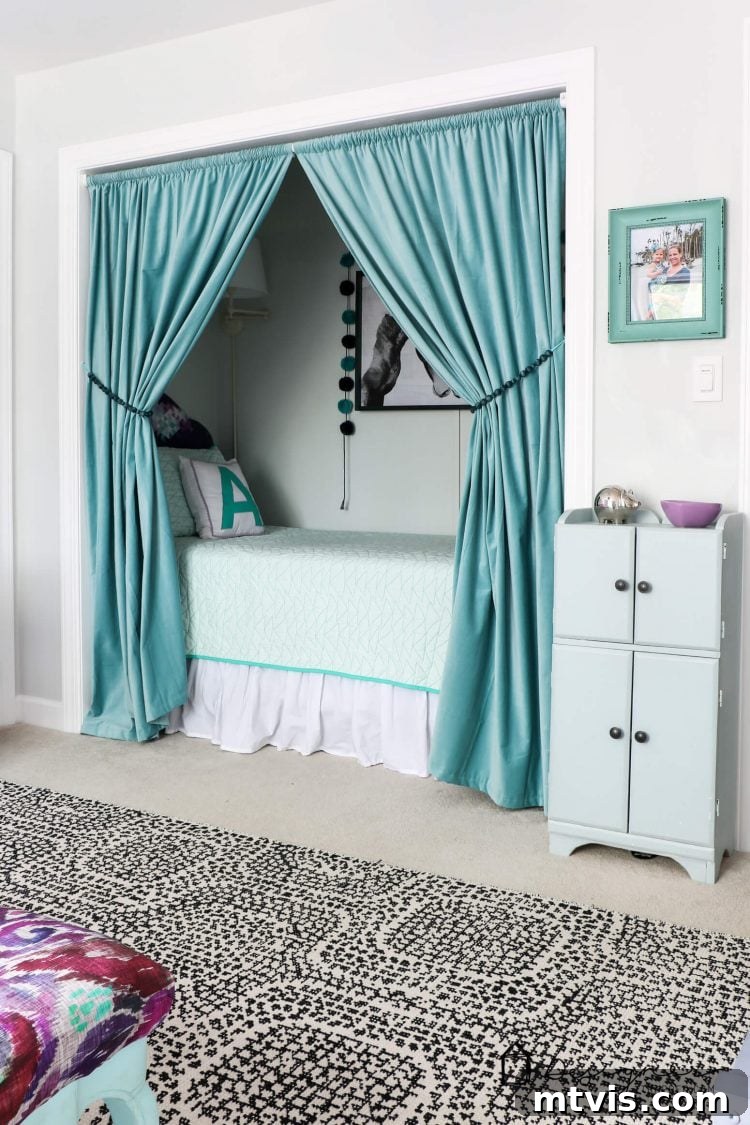
Cons: Our extensive experience removing old carpeting from our playroom, bedroom, living room, and stairs revealed a significant drawback: carpet is a notorious trap for dirt, dust, allergens, pet dander, and other unpleasantries. Even with diligent vacuuming and professional steam cleaning, microscopic particles can embed deep within the fibers, making it a less ideal choice for allergy sufferers or homes with high cleanliness demands. The porous nature of carpet also makes it highly susceptible to stains from spills, especially in homes with children or pets; a single glass of juice can quickly escalate into a permanent disaster or necessitate a costly area rug. While the initial material cost of carpet is low, professional installation is often required, which adds to the overall expense. Furthermore, there’s limited scope for improving or updating carpet once it’s laid; unlike refinishable hardwood, carpet’s lifespan is finite, and once it’s worn, stained, or matted beyond repair, replacement is generally the only viable option. Certain carpets may also contain volatile organic compounds (VOCs) and other chemical compounds released during manufacturing, installation, or use, which can be a concern for indoor air quality and health-sensitive individuals.
Ultimately, every flooring type presents its unique set of advantages and disadvantages. The key lies in understanding these nuances and aligning them with your specific needs, lifestyle, budget, and aesthetic vision. I never would have imagined becoming such a fervent admirer of my painted vinyl and laminate floors, nor would I have predicted the stunning and durable transformations they brought to our home!
If you’re currently living with floors you don’t absolutely love, please don’t lose hope. The market is brimming with fantastic and affordable flooring choices, ensuring that you can find the perfect type of flooring to meet your requirements. When you embark on the journey of installing new flooring, take the time to thoroughly evaluate the pros and cons of each option. Opt for a flooring solution that you can truly live with and cherish for the long haul, ensuring comfort, style, and durability for years to come. Your home deserves floors you adore!
Other posts you may enjoy:
- Gorgeous But Cheap Flooring Ideas
- The Best Garage Flooring Options for a Fresh Update
- How to Install a Floating Tile Floor
- The Easy Way to Update Outdated Tile Without Replacing It
- Everything You Need to Know About Floor Tile Stickers
Wondering how I approach transforming rooms and spaces in our home? Check out Designer in a Binder®.
And if you want exclusive content and behind-the-scenes sneak peeks, be sure to subscribe before you head out!