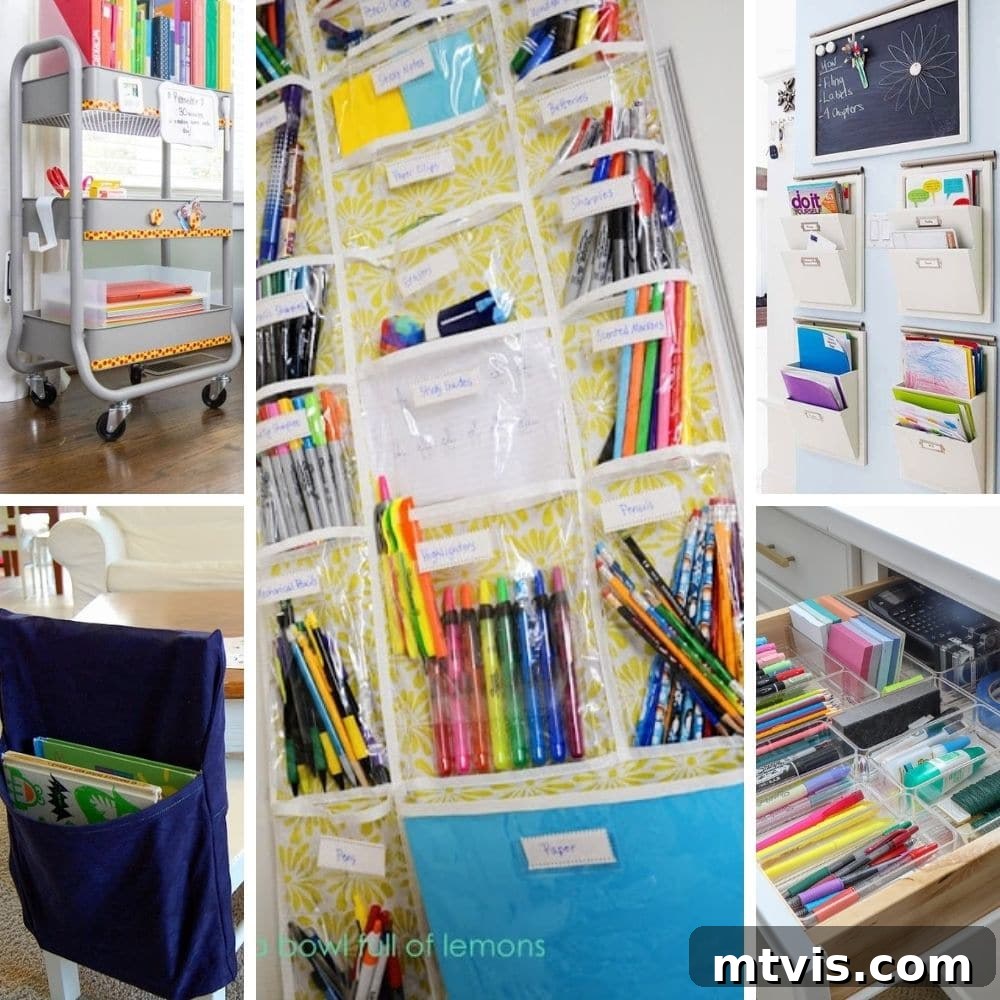
Homeschooling offers a unique opportunity to tailor education to your child’s individual needs and foster a deep love for learning. While incredibly rewarding, it can also present its own set of organizational challenges. Juggling lesson plans, school supplies, extracurricular activities, field trips, and daily household responsibilities can quickly lead to an overwhelming sense of chaos. The secret to success and a harmonious learning environment lies in implementing effective organization systems. This comprehensive guide will equip you with brilliant homeschooling organization ideas designed to bring structure, reduce stress, and free up your time to focus on what truly matters: connecting with your children, facilitating their growth, and creating lasting educational memories.
Even if homeschooling isn’t your primary method, many of these versatile strategies are perfect for creating an organized homework station, managing virtual learning setups, or simply helping your children stay on top of their schoolwork and supplies. These ideas are adaptable to any home learning scenario, ensuring a smoother, more efficient educational journey for everyone.
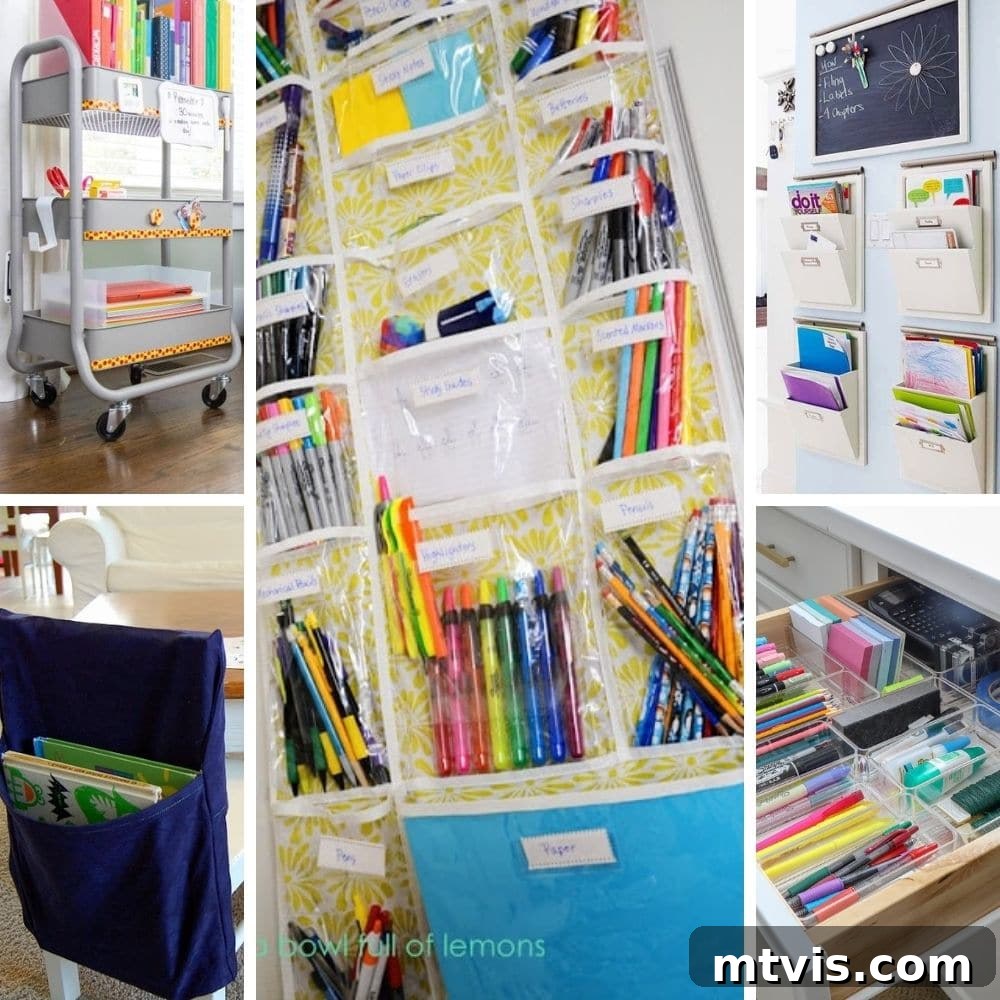
Through our own homeschooling journey with twin girls, I quickly discovered that simple, functional organization is paramount. Without a clear system, you’ll find yourself drowning in workbooks, loose papers, and scattered supplies before you know it. Our biggest hurdle was establishing a homeschool organization system that fit our specific needs, especially since we didn’t have a dedicated classroom. We needed solutions that were compact, flexible, and easily integrated into our existing living spaces.
This led me to extensive research into how other homeschooling families managed their spaces, and I uncovered a treasure trove of practical ideas! The strategies shared here are incredibly versatile and can be adapted beyond traditional homeschooling. Whether your children attend virtual school, a hybrid program, or simply need a highly functional homework station, these brilliant organization tips will make a significant difference in managing their educational materials and creating a more focused learning environment.
This post contains some affiliate links for your convenience. Click here to read my full disclosure policy.
Revolutionize Your Learning Space: Top Homeschool and At-Home Learning Organization Ideas
1. Embrace the Versatility of Rolling Carts
For families without a dedicated homeschool room, rolling utility carts are an absolute game-changer. When we homeschooled our girls, we repurposed sturdy metal utility rolling carts, commonly used for craft supplies, in our dining room. This proved to be the perfect solution for several reasons. Firstly, it allowed us to “pack up school” quickly and easily at the end of each day, reclaiming our dining area for family meals. The girls would simply wheel their carts to the dining room table when school began and then wheel them out of the way once lessons were complete.
Beyond portability, these multi-tiered carts were instrumental in maintaining order during the school day. Each child had their own cart, preventing shared supplies from becoming a jumbled mess. Books and completed assignments could be placed in designated bins as subjects were finished, keeping the tabletop clear and minimizing distractions. While the carts might not have been the most aesthetically pleasing addition to our dining room decor, their functionality was unparalleled, especially for organizing homeschool supplies in small spaces. They offer convenient, easy access to a wide range of materials, including workbooks, art supplies, and even laptops, making them ideal for virtual learning setups or daily homework stations. Their customizable nature allows you to arrange bins and contents to perfectly suit your children’s specific needs and subjects.
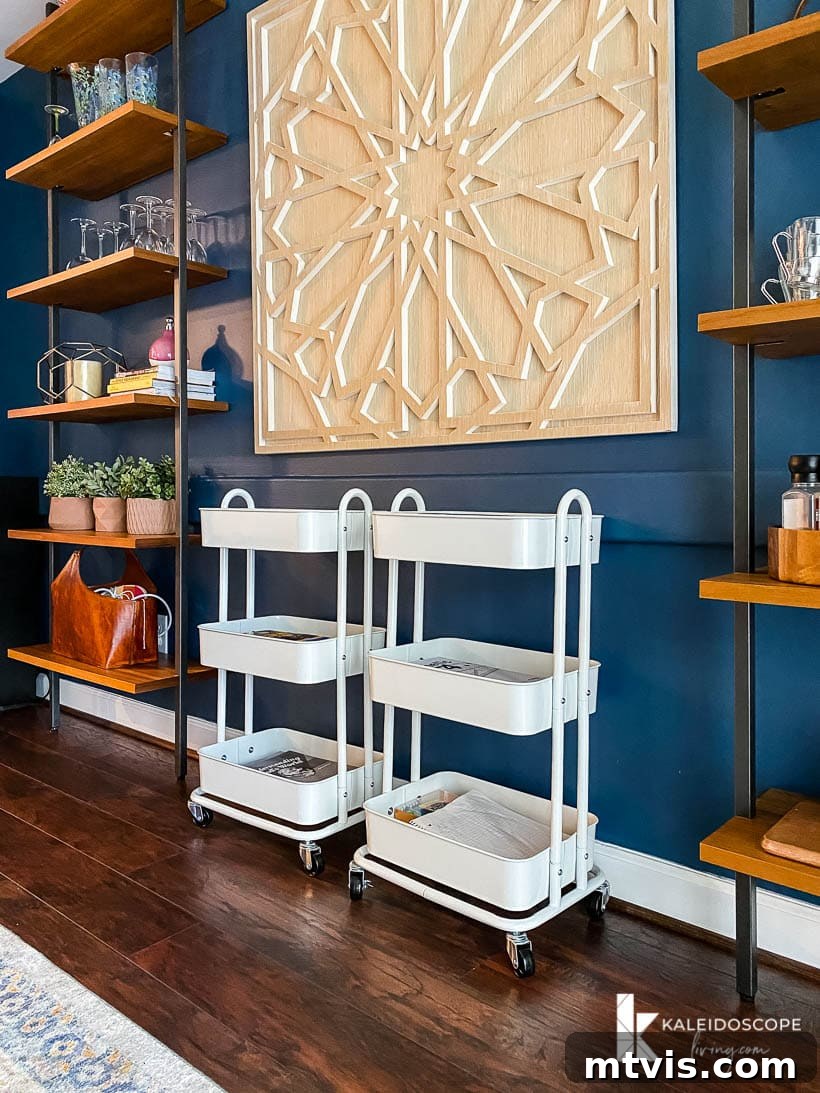
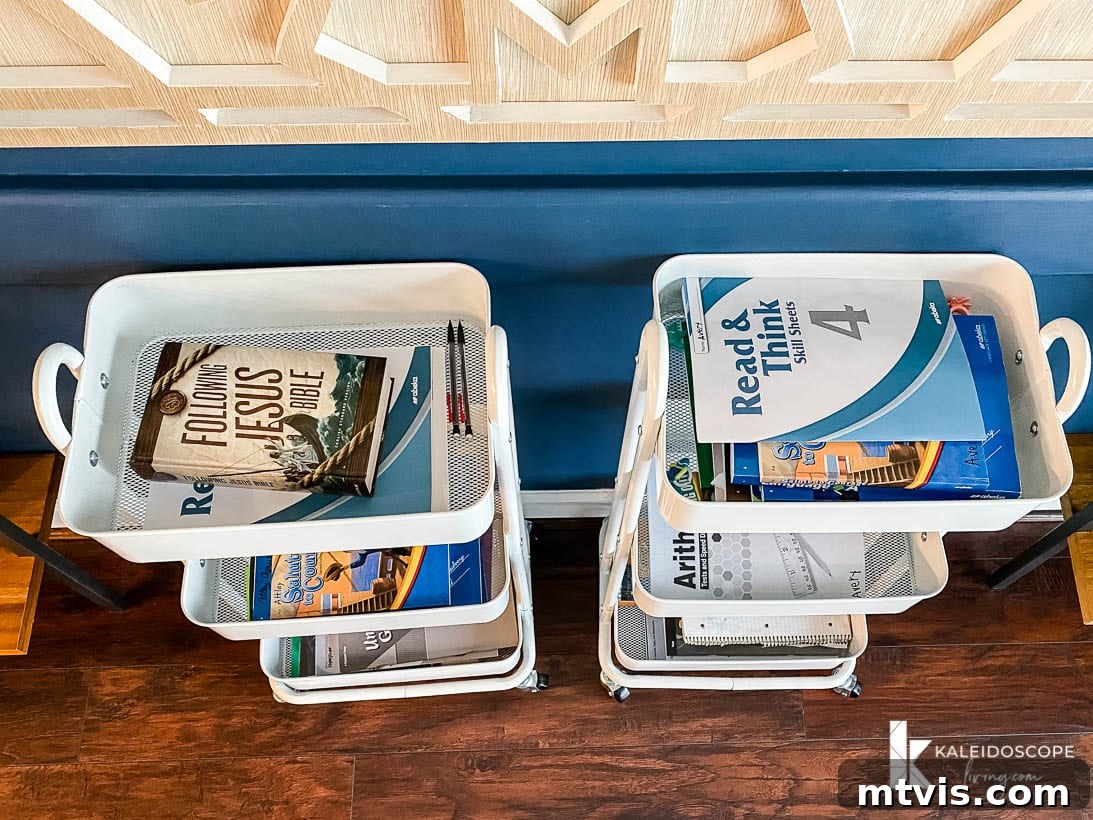
The popularity of rolling carts for homeschool organization speaks volumes about their effectiveness. Many families leverage them for diverse purposes, from a fully self-contained virtual learning hub to a mobile craft station. Their ability to consolidate all necessary supplies—from textbooks and notebooks to art materials and tech devices—into an easily transportable unit is a true asset, especially when learning might shift from the kitchen table to a cozy beanbag chair.
2. Utilize Crates for Streamlined Paper Management
If your homeschooling approach involves a significant amount of paperwork—be it worksheets, art projects, or completed assignments—then a crate system is an incredibly efficient storage solution. This method is particularly useful for organizing daily lessons and for building your children’s homeschool portfolio throughout the year. By dedicating crates to specific subjects, days of the week, or even individual children, you create a clear and tidy structure for incoming and outgoing papers. This prevents piles from accumulating on your learning surfaces and ensures that important documents are easily retrievable. Crates allow for ample space, accommodating both current projects and future additions, all while maintaining a visually organized homeschool area. Labeling each crate clearly enhances accessibility and promotes independence in your children as they learn to manage their own materials.
3. Maximize Vertical Wall Space
Don’t overlook the power of vertical storage, especially in homes where space is at a premium. By leveraging your wall space, you can create highly functional and space-saving organization zones. A family command center, for instance, can be easily adapted to include dedicated pockets or slots for each child’s schoolwork and schedules. This system ensures that every family member knows exactly where their assignments, permission slips, or important notes are located. The beauty of vertical organizers is that they occupy minimal footprint, leaving your tabletops and floors clear.
Beyond individual pockets, consider incorporating blackboards or whiteboards at the top of your vertical setup. These provide the perfect space for daily reminders, important deadlines, upcoming tests, or even inspiring quotes. Such a visual aid is incredibly beneficial for children, especially older ones, helping them to internalize their schedules and responsibilities. It fosters independence and reduces the need for constant verbal reminders, contributing to a calmer and more focused learning environment.
4. Establish a Portable Homework Station
Flexibility is a key advantage of homeschooling, and a portable homework station takes this to the next level. This simple yet ingenious setup typically involves an inexpensive and easy-to-assemble supply caddy. The beauty of a portable station is that it liberates you from a single designated learning spot, allowing your children to complete schoolwork anywhere—whether it’s at the kitchen counter, on the living room floor, or even outdoors on a pleasant day. These caddies can hold essential items like pencils, pens, markers, glue sticks, scissors, and a small stack of paper, ensuring that basic supplies are always within reach.
By having all necessary tools consolidated in one grab-and-go container, children can easily transition between learning spaces without wasting time searching for misplaced items. This simple organization idea not only promotes independence but also makes learning more enjoyable and adaptable to your family’s dynamic lifestyle. It’s a fantastic solution for families who enjoy spontaneous learning moments or frequently change their study location.
5. Organize School Supplies with Matching Baskets
Many homeschooling curricula come with a plethora of components, from textbooks and workbooks to math manipulatives and various art supplies. Keeping these diverse items organized can be challenging without a smart system. Matching baskets offer an elegant and highly functional solution. By assigning a basket for each subject, type of material, or even each child, you create a visually cohesive and incredibly practical storage system. You can easily pull out the specific basket you need for the day’s lessons and then return it neatly to its spot when finished.
The beauty of baskets lies in their ability to hold oddly shaped items that might not fit neatly into drawers or folders, such as paint sets, building blocks, or completed art projects. They offer plenty of extra space for any creative idea or learning kit. Opting for matching baskets also contributes to a cleaner, less cluttered aesthetic in your learning area, transforming what could be a chaotic collection of items into an orderly and inviting display. This method encourages children to take responsibility for tidying their supplies, knowing exactly where each item belongs.
6. Designate a Drawer for Small School Supplies
Small school supplies—pencils, erasers, glue sticks, paper clips, sticky notes—have a notorious habit of disappearing or cluttering up your workspace. A dedicated drawer is the perfect solution to keep these essential items organized and easily accessible. Whether you have a full-fledged homeschool classroom or simply a small homeschooling corner, establishing one central drawer for all these smaller bits and pieces is a smart system that benefits both children and parents.
To maximize efficiency, integrate clear drawer organizers or small bins within the drawer. This allows you to group similar items together, making it simple for kids (and adults!) to find exactly what they need without rummaging. This dedicated space ensures that all necessary supplies are in one identifiable location, helping children to complete their work without interruption and fostering good habits of putting things back in their proper place. A tidy drawer translates to a clearer mind and a more focused learning session.
7. Install a Prominent Wall Calendar
Structure and routine are often the anchors of a successful homeschooling experience, and a large wall calendar is an invaluable tool for providing this. From personal experience, I can tell you that my girls craved a visual representation of their daily and weekly schedules when we homeschooled. A large, easily visible calendar helps children (and parents!) keep track of daily lesson plans, assignment deadlines, upcoming tests, and extracurricular activities.
This simple visual aid can significantly reduce anxiety and preempt those constant “what are we doing today?” questions. When children can see what’s planned, they feel more secure and prepared, fostering a sense of control over their day. Opt for a large, reusable calendar that can be easily updated, like a whiteboard calendar or a laminated chart. This homeschooling mom, for instance, hung this large reusable rainbow wall calendar in her school room for precisely these reasons, creating a clear and engaging visual roadmap for her family’s learning journey.
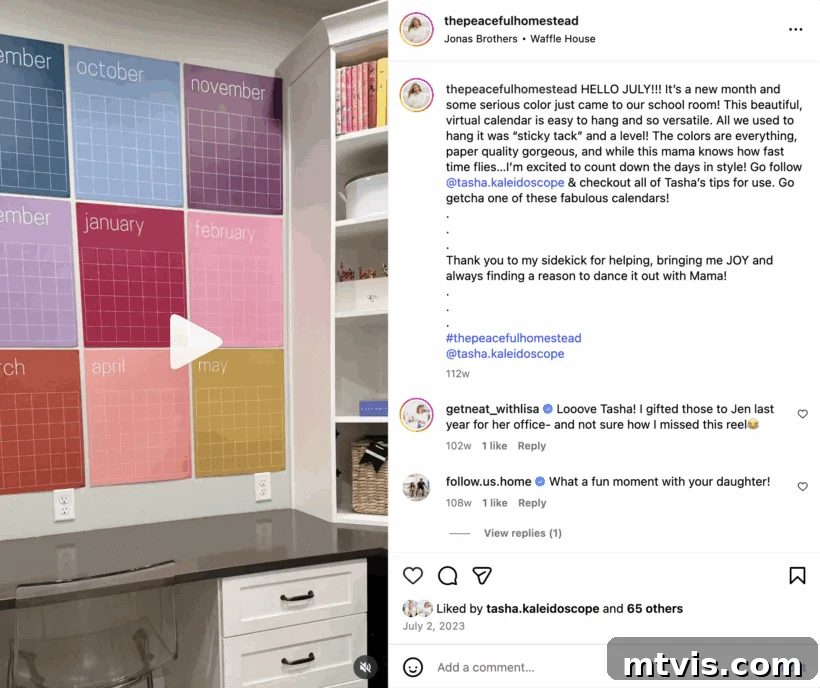
8. Leverage IKEA Trofast Bins for Modular Storage
IKEA’s Trofast storage system, renowned for its versatility in toy organization, is equally brilliant for homeschooling supplies. We’ve successfully used these bins for toy storage, and their adaptability to educational materials is truly a clever idea. The robust frames and interchangeable bins come in various sizes and colors, allowing you to create a modular system that perfectly fits your space and needs.
Trofast bins are excellent for categorizing by subject (e.g., Math, Science, Art), by project, or by individual child. Their pull-out design makes items easily accessible, while the solid bins keep visual clutter to a minimum when pushed in. Labeling each bin is key to maintaining order and promoting independence among children, who can easily locate and put away their own materials. Integrating these bins with existing bookcases or creating a dedicated Trofast unit can transform a chaotic collection of supplies into a neatly organized and visually appealing learning area, proving that functional storage can also be stylish.
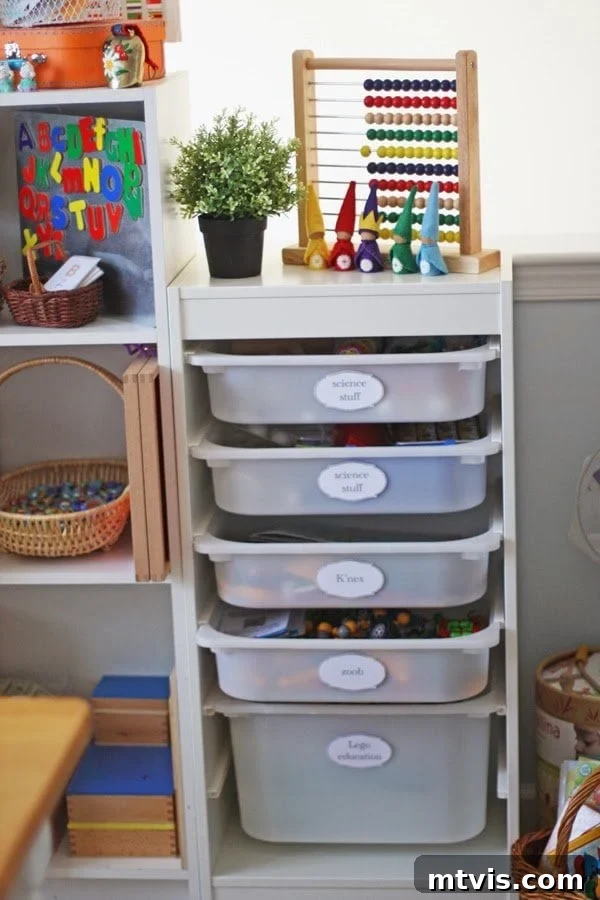
9. Implement Hanging Storage on Chairs
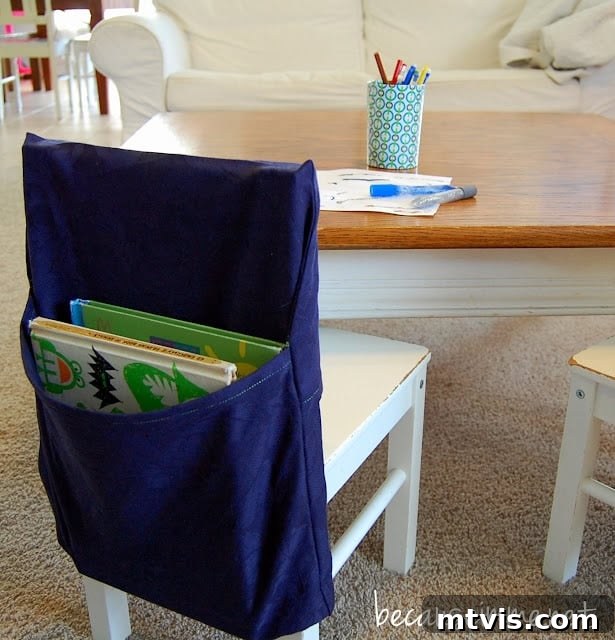
For a highly personalized and easily accessible organization solution, consider adding hanging storage to the back of your children’s chairs. Often referred to as “seat bags” or “chair pockets,” these clever organizers provide a designated spot for each student to keep their daily work and essential supplies close at hand. This means no more constantly running back and forth to a central homeschool storage area for a pencil, a specific workbook, or a reading book.
Chair pockets are perfect for housing current textbooks, notebooks, markers, and other items needed throughout the day’s lessons. They keep the workspace clear while ensuring that everything a child needs is within arm’s reach, fostering greater independence and reducing interruptions. Whether you choose to purchase pre-made chair pockets or embark on a DIY project, this idea is an excellent way to keep individual daily materials tidy and organized, making transitions between subjects smoother and learning more focused.
10. Harness the Power of Over-the-Door Organizers
In smaller homes or apartments, finding unused storage space can be a challenge. That’s where an over-the-door organizer becomes a truly brilliant solution. The back of a door—whether in a bedroom, closet, or even the main learning area—is often an underutilized vertical surface perfect for storing a multitude of school supplies. These organizers typically feature multiple clear pockets, allowing for easy visibility and quick access to items.
You can dedicate pockets to different categories of supplies (e.g., pens, crayons, glue, index cards) or even assign sections to individual children or subjects. This method keeps supplies off desks and countertops, reducing clutter and creating a more focused learning environment. It’s an incredibly efficient way to manage supplies for homework, virtual school, or daily homeschooling lessons without encroaching on precious floor or table space, making it one of my favorite organization ideas for small spaces.
11. Implement a Central Charging Station
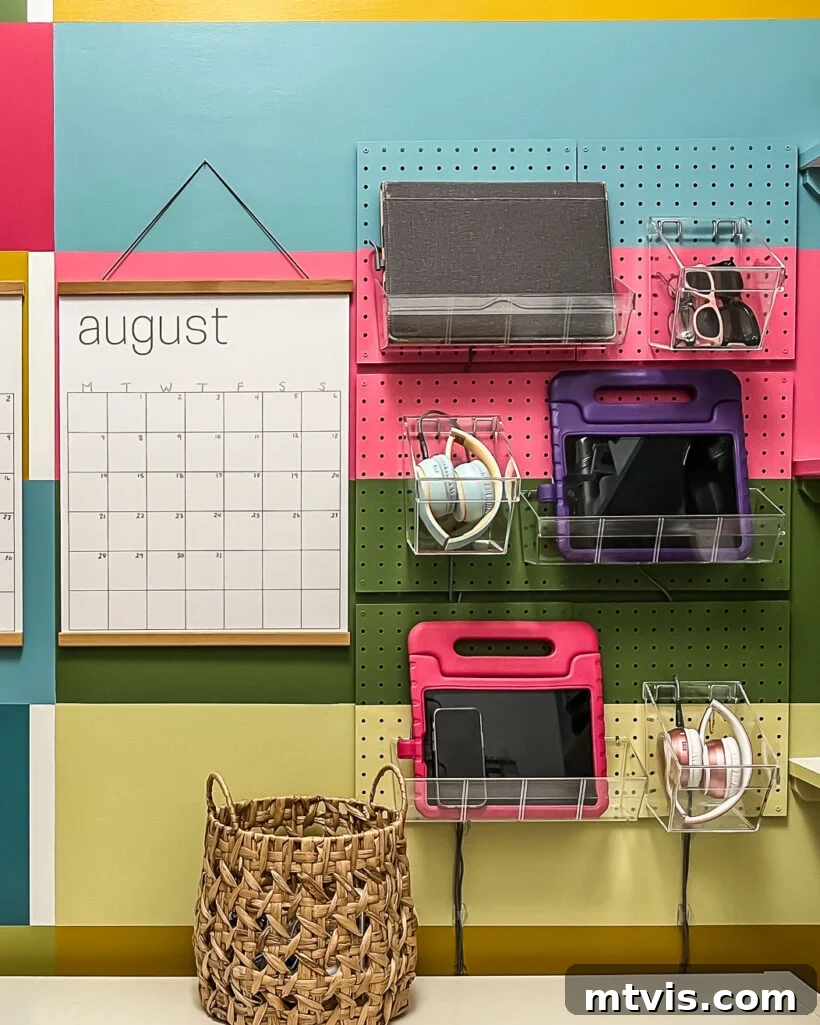
In today’s digital learning landscape, electronic devices like tablets, laptops, and Chromebooks are often integral to homeschooling. To combat the inevitable clutter of cords and misplaced devices, creating a dedicated charging station is highly recommended. This centralized hub ensures that all your children’s electronics have a specific place to power up, preventing them from scattering across tables and countertops throughout your home.
For our family, we created a DIY family charging station that kept all our girls’ devices downstairs, away from their bedrooms, and neatly organized. A charging station not only helps to keep your learning spaces tidy but also ensures devices are fully charged and ready for use when school starts. It promotes good habits around technology management, reducing frustration and maximizing learning time by ensuring essential tools are always available and in their proper place.
12. Repurpose for a Rolling Bookcase or Homework Cart
Embracing the concept of repurposing something old into a functional school station is not only environmentally friendly but can also result in uniquely stylish solutions. This awesome antique book cart, cleverly transformed into a mobile homework station, exemplifies this idea perfectly. Instead of buying new, consider giving an old piece of furniture a new lease on life within your homeschooling setup.
A rolling bookcase or cart can serve as a fantastic mobile learning hub, housing textbooks, reference materials, assignments, and even a small globe or educational toys. Its mobility allows you to easily move your educational resources wherever learning takes place, and its unique character adds a touch of charm to your home. This approach to organization is not just about tidiness; it’s about creating an inspiring and engaging environment that encourages a love for learning while keeping everything a child needs organized and accessible.
13. Equip Each Child with Their Own School Bag
For families who are constantly on the go or prefer a highly flexible learning environment, providing each child with their own dedicated school bag is an incredibly portable and easy-to-manage organization solution. This excellent idea for “school-at-home” organization ensures that every student has all their essential materials consolidated in one place, ready to be picked up and moved at a moment’s notice.
Whether it’s a sturdy tote bag, a backpack, or a fabric bin, each bag can contain the day’s textbooks, notebooks, a pencil case, and any other supplies specific to that child’s lessons. This not only makes learning truly portable—from the kitchen table to a park bench—but also instills a sense of responsibility in children for managing their own belongings. It simplifies the setup and cleanup process, making transitions smoother and freeing parents from constantly distributing and collecting materials.
14. Create a Dedicated Binder for Homeschool Essentials
A large binder-style organizer can be a comprehensive solution for keeping all your kids’ daily school essentials in one centralized, portable location. This system is particularly effective for managing lesson plans, assignments, worksheets, and reference materials that are frequently accessed. Imagine a “portable office” for each child or for a specific subject, where everything required for a given day or week is neatly contained.
These binders can be outfitted with dividers for different subjects, clear pockets for loose papers, and even a pencil pouch for writing instruments. The ease with which everything can be packed up at the end of the school day is a major advantage; simply slide the binder onto a shelf next to homeschool books or other supplies. This method promotes exceptional organization, minimizes clutter, and simplifies the transition between learning activities, making it an excellent strategy for maintaining order and efficiency in your homeschool routine.
15. Organize Supplies Using Bins for Each Subject
One of the simplest yet most effective ways to manage a diverse range of homeschooling materials is to use individual bins for each subject. Bins are readily available in various sizes and materials, making them a versatile choice for organizing books, notebooks, workbooks, and even smaller manipulatives. You can choose to organize them strictly by subject (Math, Reading, History, Science) or by individual child if you have multiple students with distinct curricula.
The beauty of this system lies in its clarity and simplicity. Each bin serves as a self-contained unit for all materials related to a specific area of study. This means when it’s time for Math, you simply pull out the Math bin, and everything needed is right there. When the subject is finished, the bin goes back on a shelf or in a bookcase, keeping your learning area clean, organized, and uncluttered. This method not only makes materials easy to find but also promotes responsibility and orderliness in your children, as they learn to put away their supplies efficiently.
16. Install a Functional Bulletin Board
For those parents who are actively managing a significant portion of their child’s curriculum and overall learning experience, a bulletin board can be an indispensable tool for keeping essential information highly visible and organized. It acts as a central hub for displaying daily plans, weekly assignments, important announcements, learning objectives, and even inspirational artwork.
A well-curated bulletin board ensures that paperwork and your daily plan are not only styled but also in their proper, accessible place. You can use it to pin up completed work, display learning charts, or highlight key vocabulary words. This visual organization system is particularly beneficial for long-term planning, allowing both you and your children to see the scope of upcoming lessons and projects at a glance. It empowers children to take ownership of their learning journey by providing a clear overview of their responsibilities and achievements.
17. Implement a Strategic Color-Coded System
Want your homeschool organization to be both beautiful and effortlessly functional? A color-coded system is your answer! This method leverages visual cues to make identification and retrieval of items incredibly quick and intuitive. You have the flexibility to design the system in a way that best suits your family’s needs: you could assign a unique color to each child, ensuring their individual supplies and assignments are easily distinguishable, or use different colors for each subject to keep materials neatly categorized.
For instance, all Math materials could be in blue folders, bins, or binders, while Language Arts might be green. This visual consistency helps children quickly grab what they need and put things back in the correct spot, fostering independence and reducing decision fatigue. A color-coded system is particularly effective in shared spaces or for families with multiple children, bringing a sense of order and aesthetic appeal to your learning environment. It streamlines the organizational process and makes tidying up a breeze!
I sincerely hope these brilliant homeschool organizing ideas have illustrated that creating a well-ordered learning environment doesn’t have to be a source of overwhelm. With a thoughtful approach and the implementation of efficient systems, you can establish a rhythm that not only keeps everyone on track but also significantly enhances the joy and effectiveness of your homeschooling journey. Whether you opt for a large, colorful wall calendar to visualize your month, design dedicated learning zones, or create easily accessible storage for all your supplies, the overarching goal remains the same: to cultivate an environment where both your children and you can truly flourish.
Remember, the essence of organization is not about achieving unattainable perfection. Instead, it’s about purposefully building structure while maintaining ample flexibility. This balance allows your homeschool days to flow more smoothly, minimizes daily friction, and, most importantly, leaves generous room for those spontaneous, fun, sometimes messy, and profoundly real-life learning moments that truly make homeschooling memorable and impactful.
More ORGANIZING & Cleaning TIPS
SEE ALL organizing POSTS
-
Brilliant Homeschool Organization Ideas & Tips
-
Stylish and Functional Family Charging Stations
-
15 Practical Linen Closet Organization Ideas and Tips
-
Brilliant Garage Organization Ideas
-
Functional & Beautiful Entryway Bench Ideas
-
Family Calendar Ideas to Keep You Sane & Organized
Curious about my approach to transforming rooms and spaces in our home? Be sure to explore Designer in a Binder®, my proven system for achieving stunning results.
For exclusive content, behind-the-scenes sneak peeks, and more tips on creating a beautiful and functional home, don’t forget to subscribe to my newsletter before you leave!