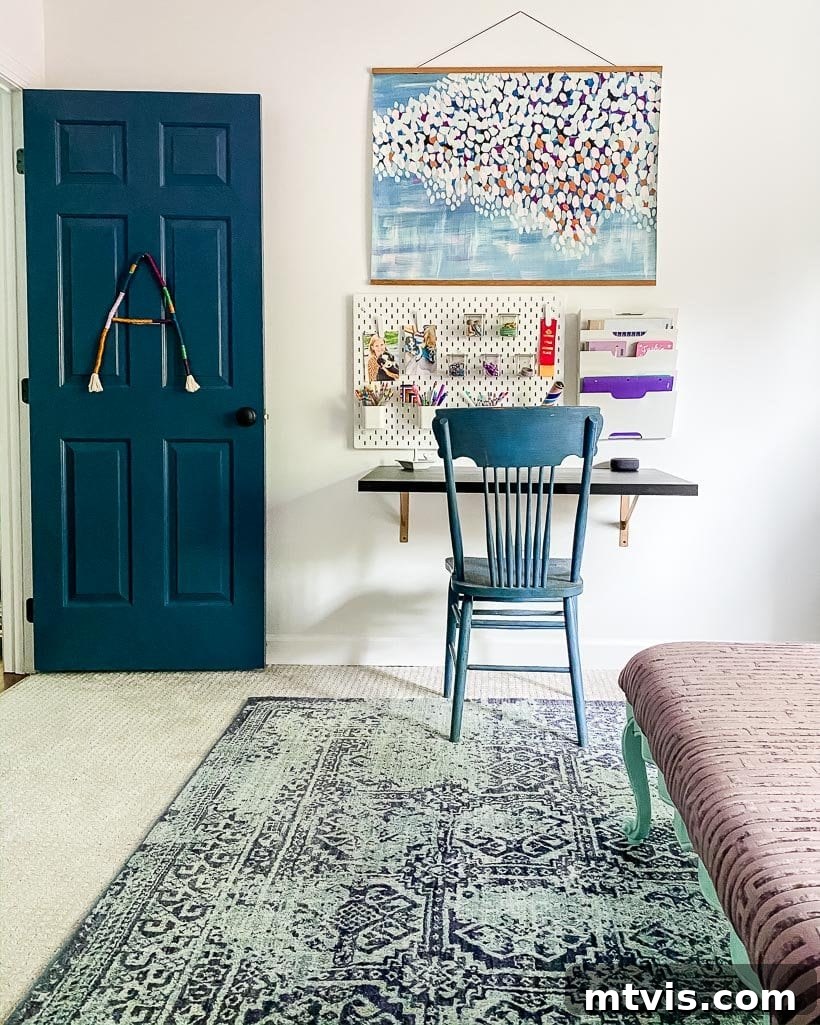
The question often arises: “Can you really put an area rug on carpet?” The emphatic answer is yes, absolutely! Far from being a faux pas, layering an area rug over existing wall-to-wall carpet is a sophisticated design choice that offers a wealth of benefits. It’s an excellent way to introduce vibrant colors, captivating patterns, and rich textures into a room, instantly elevating its aesthetic appeal and personalizing your living space.
While the concept might seem unconventional to some, integrating area rugs into carpeted rooms can dramatically enhance your home’s style and functionality. However, to ensure a successful and polished look, there are specific considerations and best practices to follow. In this comprehensive guide, we’ll delve into the essential dos and don’ts of using area rugs over carpet, helping you create a beautiful and cohesive interior.
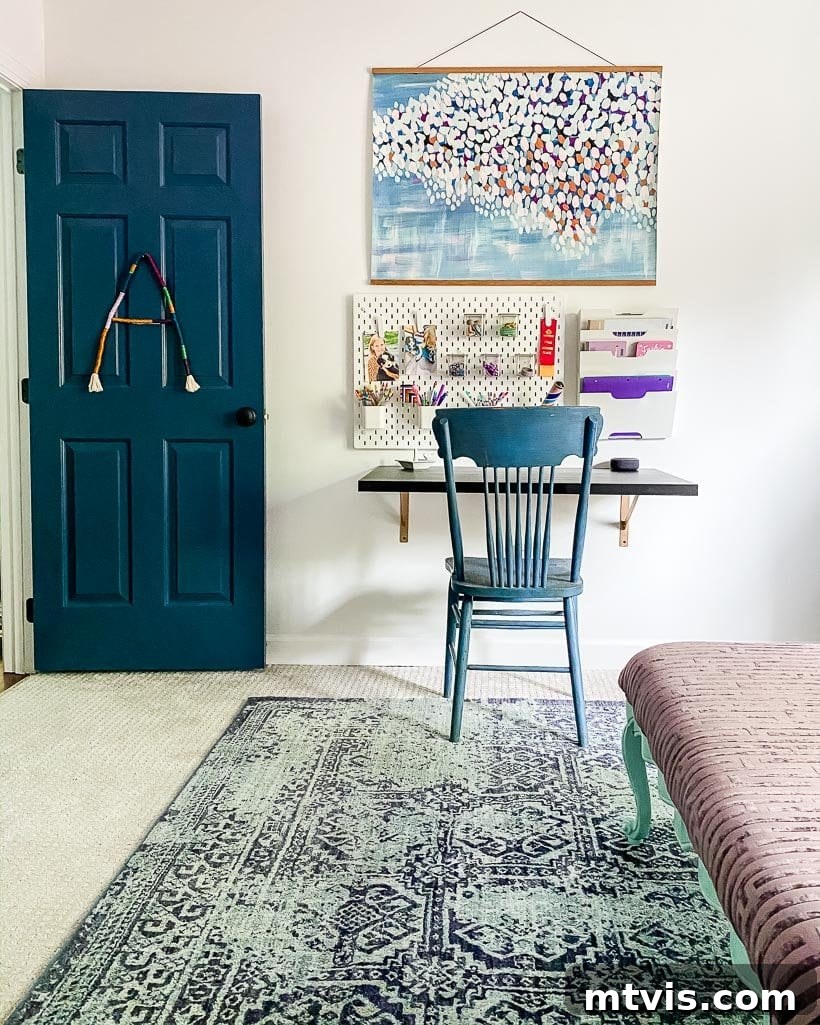
Often, homeowners with wall-to-wall carpeting hesitate to introduce area rugs, fearing it might look redundant or even awkward. However, the truth is quite the opposite. Layering rugs on carpeted floors can be a transformative design technique, offering a dynamic interplay of elements that a bare carpet simply cannot achieve. It provides an immediate injection of personality, turning a bland floor into a focal point. Beyond aesthetics, this design strategy offers practical advantages that make it a smart choice for any home.
This post contains affiliate links for your convenience. Click here for my full disclosure policy.
Benefits of Layering Area Rugs Over Carpet
Before diving into the specifics, let’s explore why incorporating area rugs into a carpeted room is such a beneficial design decision:
- Enhanced Style and Aesthetics: Area rugs are masters of visual interest. They introduce a new layer of color, pattern, and texture, adding depth and sophistication to a room. They can complement existing decor, inject a bold statement, or even anchor an eclectic mix of styles. The right rug can completely transform the mood and energy of a space.
- Defining Zones: In open-concept living areas or large rooms, an area rug can effectively delineate different functional zones. For instance, it can define a cozy seating arrangement within a larger living room or create a distinct play area in a child’s bedroom. This helps to make a space feel more organized and purposeful.
- Carpet Protection: High-traffic areas, like pathways or under dining tables, are prone to wear and tear. Placing an area rug in these spots acts as a protective barrier, shielding your underlying carpet from premature aging, spills, and everyday foot traffic. This simple addition can significantly extend the life of your wall-to-wall carpeting.
- Concealing Imperfections: If your existing carpet has unsightly stains, fading, or minor damage, an area rug is an instant fix. It effectively covers up imperfections, allowing you to refresh the look of your room without the cost and hassle of replacing the entire carpet.
- Adding Comfort and Warmth: A plush area rug can add an extra layer of luxurious softness underfoot, especially in bedrooms or living rooms where comfort is paramount. It also provides additional insulation, helping to keep rooms warmer in colder months and potentially reducing energy costs.
- Noise Reduction: Layering rugs can help absorb sound, reducing echoes and creating a quieter, more serene environment. This is particularly beneficial in rooms with high ceilings or in multi-story homes where sound tends to travel.
- Easy Personalization and Updates: Area rugs offer a flexible way to update your home’s decor. You can easily swap them out to reflect changing seasons, new trends, or your evolving personal style, providing a fresh look without a major renovation.
Need a link?
If you want to know what paint colors we have used in our current house or where we have found our furniture, art, rugs, etc., click below to find it on our home tour page!
Do Consider the Texture and Firmness of Your Carpet
The success of layering an area rug often hinges on the texture and firmness of your existing wall-to-wall carpet. Not all carpet types are equally suitable for this technique, as the underlying surface plays a crucial role in how well the area rug will lay and stay in place.
Area rugs generally perform best over short-pile or looped carpets. If your home features a low-profile Berber carpet, or any other short-pile or looped variety, you have a great foundation. These firm, flat surfaces provide excellent stability for an area rug. On such a carpet, you can confidently place thick, plush, or even shaggy rugs. The contrasting visual softness and deeper pile of the area rug will beautifully complement the flat, firm carpet beneath, adding luxurious comfort and a rich tactile experience.
Conversely, if your wall-to-wall carpet is already plush, soft, or medium-pile, it’s generally advisable to avoid placing another thick, plush area rug on top. The similar textures can create an unstable and mushy foundation, making the area rug prone to slipping, bunching, and buckling. In this scenario, opt for a thinner, flat-woven rug, such as a jute, sisal, or flat-weave cotton rug. These rugs offer a distinct textural contrast and are less likely to sink into the plush carpet, providing a more stable and aesthetically pleasing layer.
Finally, if you have a very long-pile carpet, such as shag or frieze, it’s usually best to avoid layering an area rug altogether. These carpets lack the necessary firm support, making it incredibly difficult to keep an area rug flat and secure. Even the most robust rug pad will struggle to prevent shifting and buckling on such an unstable base, creating an unsightly and potentially hazardous tripping point. While it might be disappointing, sometimes the best design choice is to embrace the existing carpet or consider alternative ways to introduce color and pattern.
Do Use the Right Rug Pad
One of the most frequent concerns when placing an area rug on carpet is preventing it from slipping, buckling, or bunching up. Not only does this detract from the rug’s appearance, but it also creates a significant tripping hazard. This is precisely why using a high-quality rug pad specifically designed for use on carpet is absolutely crucial. Through years of experimentation, I’ve discovered that the right rug pad makes all the difference in ensuring your area rug stays securely in place.
Rug Pads for Area Rugs Over Carpet
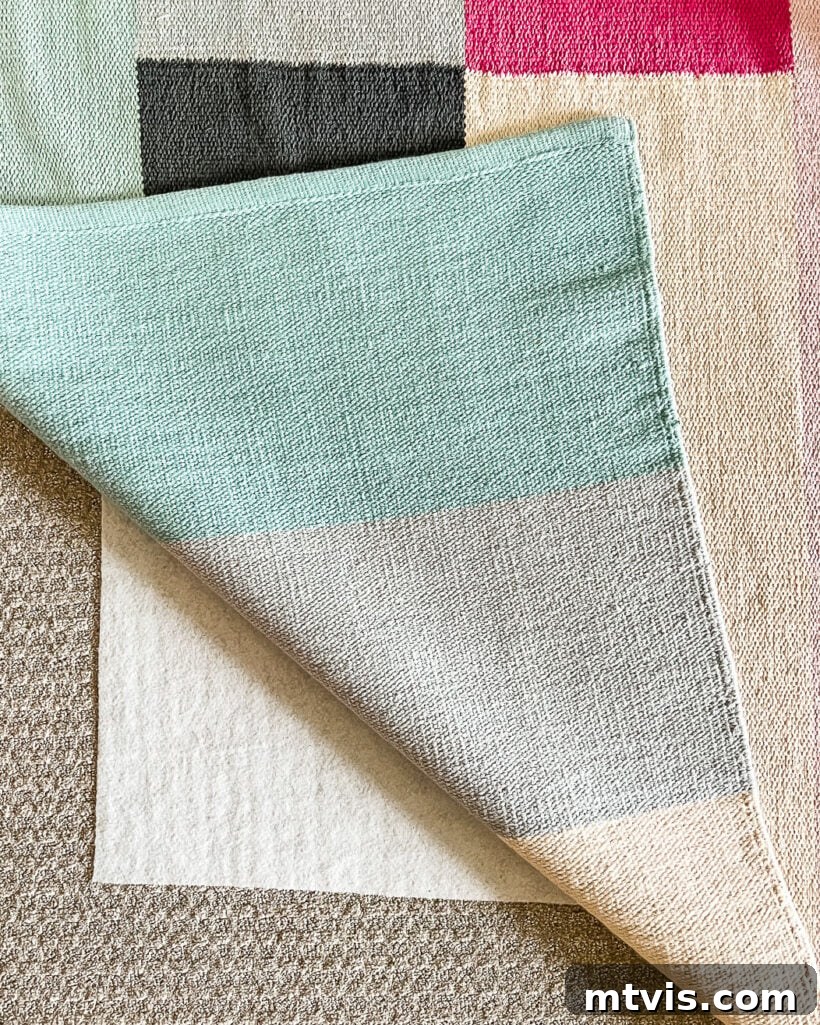
For thin, woven area rugs on top of carpet
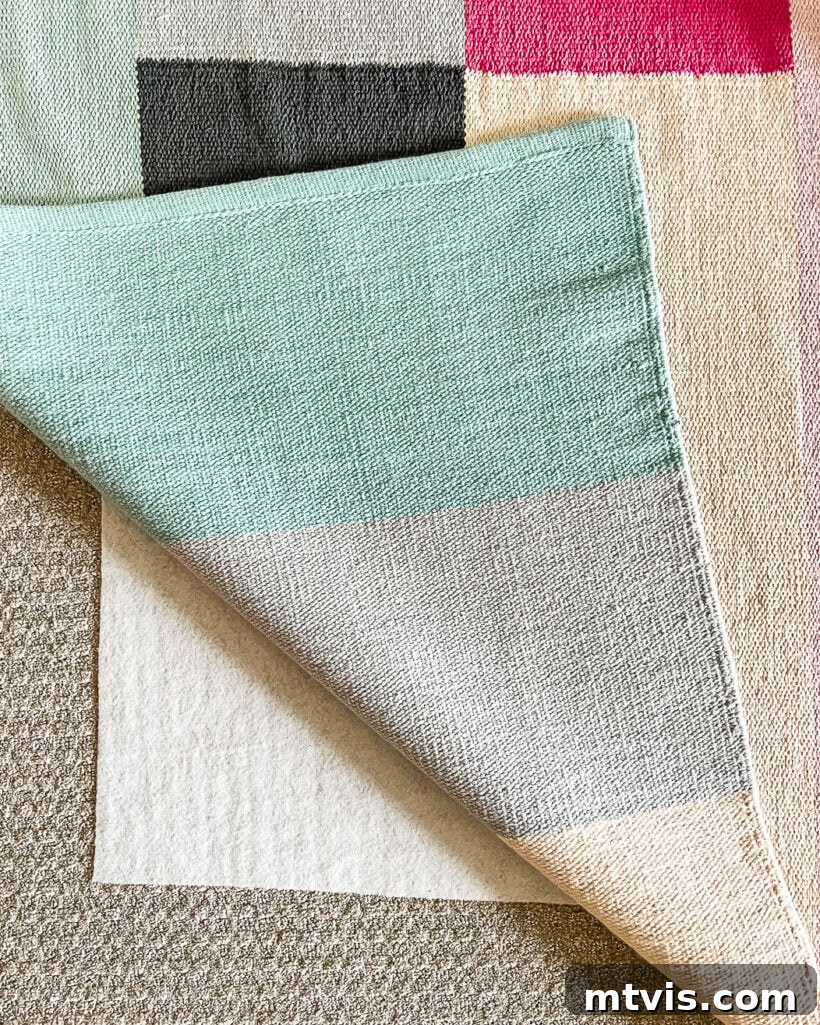
When placing a thin, woven rug (cotton, wool, etc) on top of carpet, this is by far the best rug pad to use. It’s thin and slightly tacky and keeps your rug in place and prevents wrinkling/bunching.
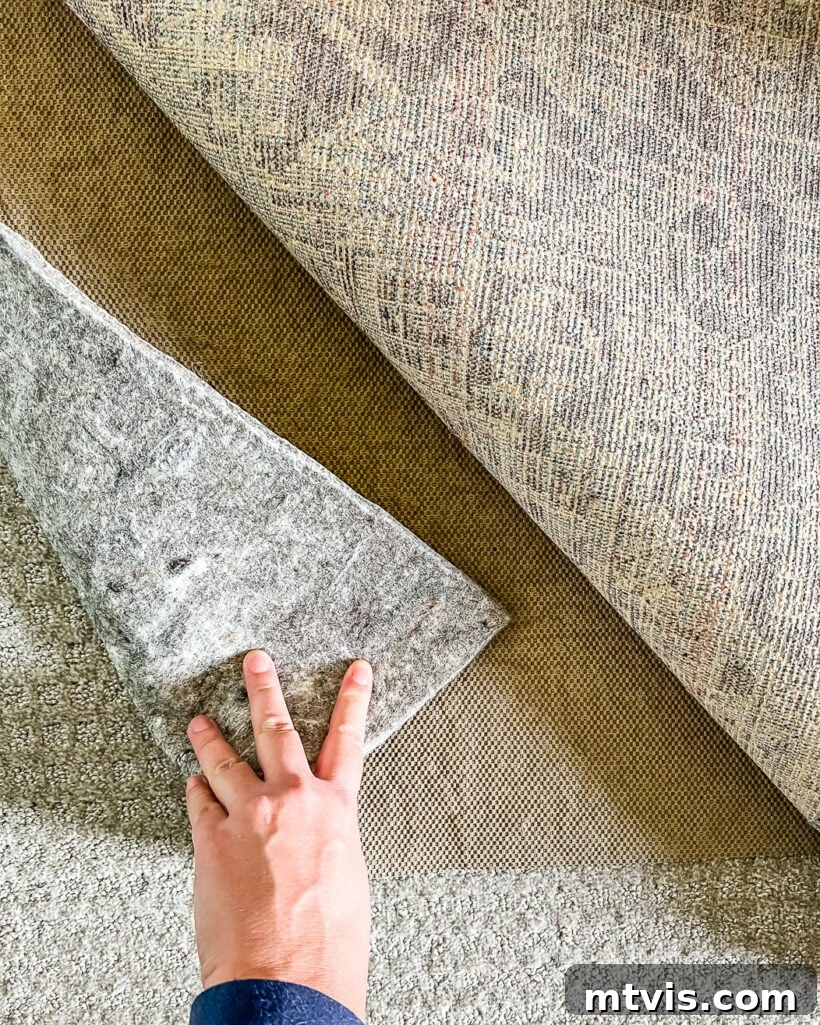
For plush area rugs on top of carpet
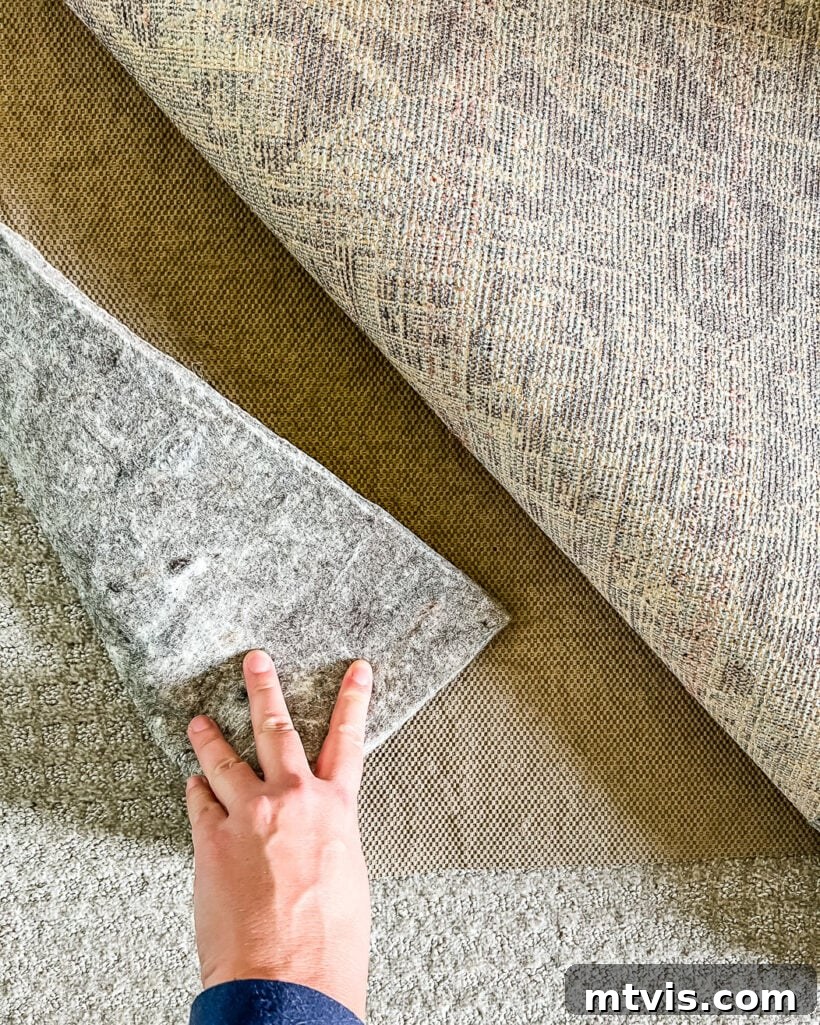
Plush rugs aren’t as likely to wrinkle or bunch, so I prefer using this rug pad when placing a plush area rug on top of carpet. Just be sure to place the rubber side against the rug and the felt side against your carpet.
The Best Rug Pad for Thin Woven Rugs on Carpet
When I initially placed this thin cotton area rug over the carpet in my daughter Attley’s room, it was a constant battle against wrinkles and bunches. Despite using a rug pad that claimed suitability for rugs on carpet – and wasn’t inexpensive – the rug stubbornly refused to stay flat. It was incredibly frustrating and often a tripping hazard.
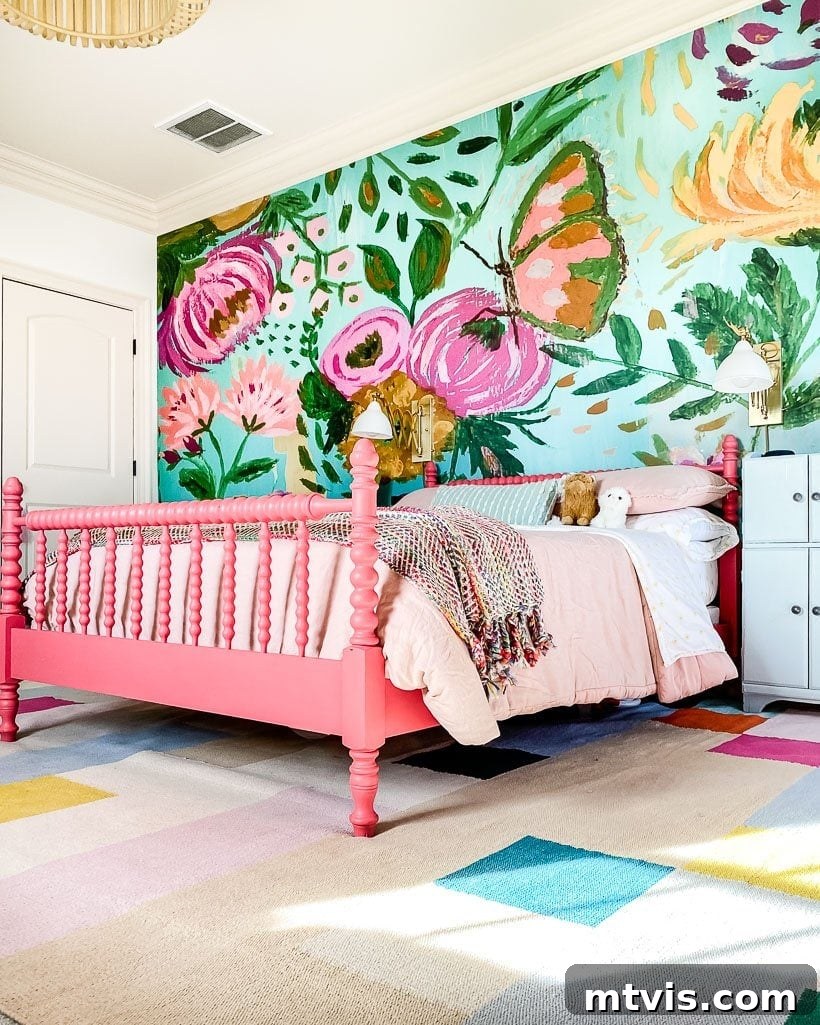
After more extensive research and trying various options, I finally ordered this specific rug pad, and it has worked perfectly ever since. What makes it so effective? It’s remarkably thin and has a slightly tacky surface, which provides excellent grip against both the area rug and the carpet without leaving any residue. This unique combination ensures your thin woven rugs remain firmly in place, preventing unsightly wrinkles and dangerous bunching. I cannot recommend it highly enough!
The Best Rug Pad for Plush Area Rugs Over Carpet
For plush area rugs placed over carpet, the requirements for a rug pad are slightly different. Because plush rugs are heavier and have a more substantial pile, they are inherently less prone to wrinkling and bunching than their thinner counterparts. For these types of rugs, I consistently recommend this specific rug pad. It offers a thicker, felt-like cushioning combined with a rubberized backing that provides excellent stability without excessive tackiness.
This rug pad works wonders for keeping plush area rugs securely in place. A key detail to remember during installation is to position the rubber side of the pad against the underside of your area rug, while the felt side should lay directly on your wall-to-wall carpet. This configuration maximizes grip and prevents movement. While this pad is also suitable for hardwood floors, don’t let that confuse you; its dual-surface design is ideal for layering over carpet when properly oriented. The added thickness also contributes to a more luxurious feel underfoot, enhancing the overall comfort of your space.
Other Solutions for Keeping Your Area Rug In Place Over Carpet
While the right rug pad is often the best solution for keeping your area rug from shifting, there might be instances where you need extra security or are looking for alternatives. Perhaps even the best rug pad struggles with a particularly stubborn rug or high-traffic area, or you simply want to avoid the additional expense of a pad. In such cases, there are other effective methods to anchor your area rug on carpet.
You can opt for rug anchors, which are typically adhesive pads or strips that attach to the corners or edges of your rug and grip the underlying carpet. These are often reusable and work well for preventing corner curling and minor shifting. Another reliable option is double-sided carpet tape, which can be applied to the perimeter or key areas of the rug’s underside. I’ve used both over the years, and sometimes even combine them with a rug pad to address persistent issues, such as keeping the corners of area rugs flat to eliminate tripping hazards.
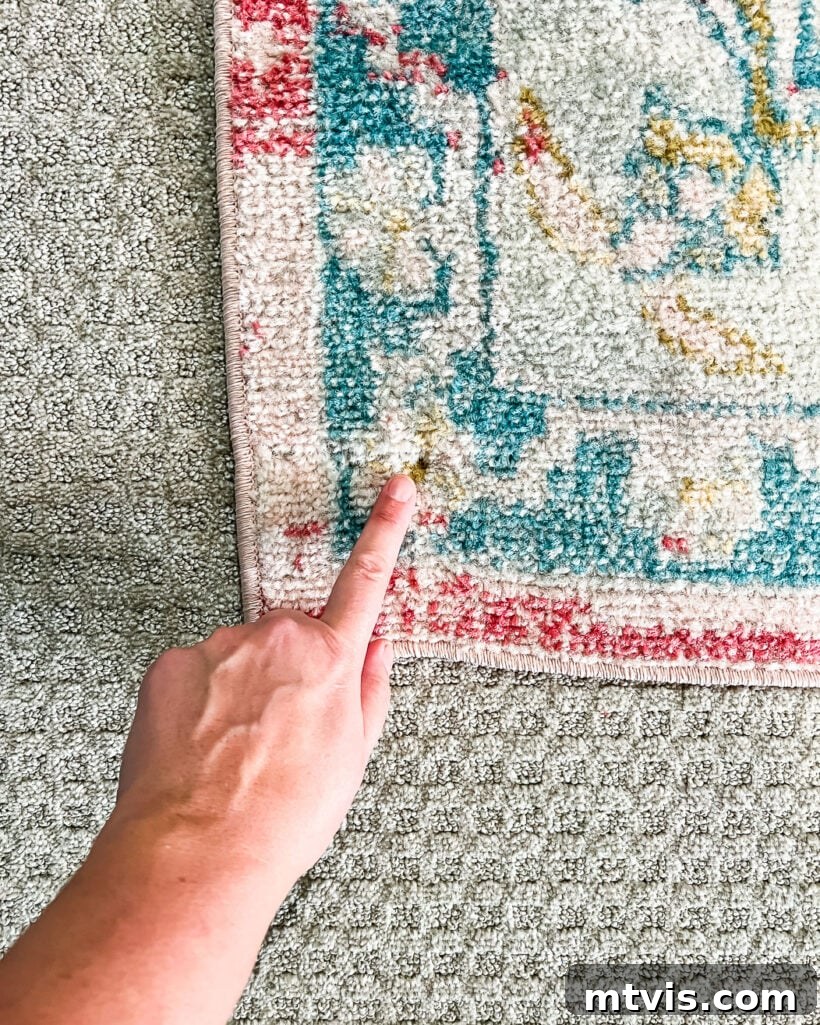
For high-traffic zones or situations demanding extreme stability, an unconventional but highly effective method involves physically securing the rug. For example, in our upstairs hallway, we opted to drive a small screw through the area rug and carpet directly into the subfloor beneath. While it might sound drastic, it works remarkably well for thin rugs in areas that receive constant foot traffic, where carpet tape or even some rug pads might not hold up. You can barely see the screw head in each corner (as indicated in the photo below), and I’ve experienced no issues with it damaging the carpet underneath. Do be aware that this method will result in four small, permanent holes in your area rug, so it’s a commitment to a long-term placement.
Do Choose A Rug that Complements Your Decor & Anchors Your Space
Beyond the practicalities of placement and stability, the primary objective of adding an area rug over carpet is undeniably aesthetic. Whether your goal is to mask an unappealing existing carpet, infuse your room with vibrant color and intriguing patterns, or both, selecting the right rug is paramount to achieving a cohesive and stylish interior. The rug should not only complement your decor but also serve as a foundational element that visually anchors your space.
Ideally, an area rug can function as your “crucial element” – a core design principle where you select a standout piece and build the rest of your room’s decor around it. If you’re starting a room design from scratch, choosing a rug first allows you to draw inspiration for wall colors, furniture, and accessories, ensuring a harmonious outcome. However, if you’re introducing an area rug into an already established design, it’s essential to carefully consider your room’s existing color scheme, patterns, and overall style. Look for rugs that feature complementary colors, adding depth without clashing, or select a pattern that echoes or enhances the current design narrative. The rug should feel like an integrated part of the room, not an afterthought.
Consider the interplay of textures as well. A jute rug can bring an organic, natural feel to a room with sleek modern furniture, while a plush wool rug can add warmth and luxury. The texture of your rug can significantly impact the overall tactile experience and visual richness of your space.
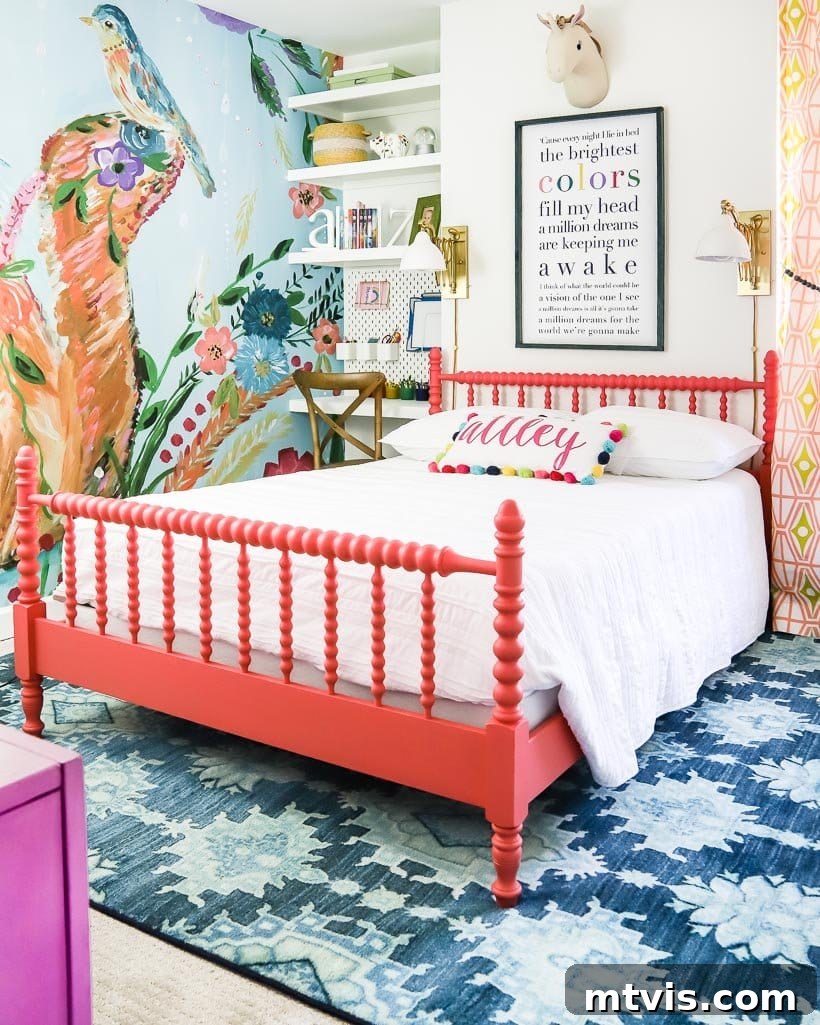
An effectively chosen area rug also plays a vital role in anchoring a space. It can visually ground furniture arrangements, making them feel more cohesive and intentional. In a large room, a rug can prevent furniture from feeling “lost” or scattered, instead drawing everything together into a defined living zone. For instance, notice how the area rug I placed over the carpet in Attley’s old bedroom perfectly complemented the vibrant wall mural and other design elements, tying the entire space together into a cheerful and harmonious sanctuary.
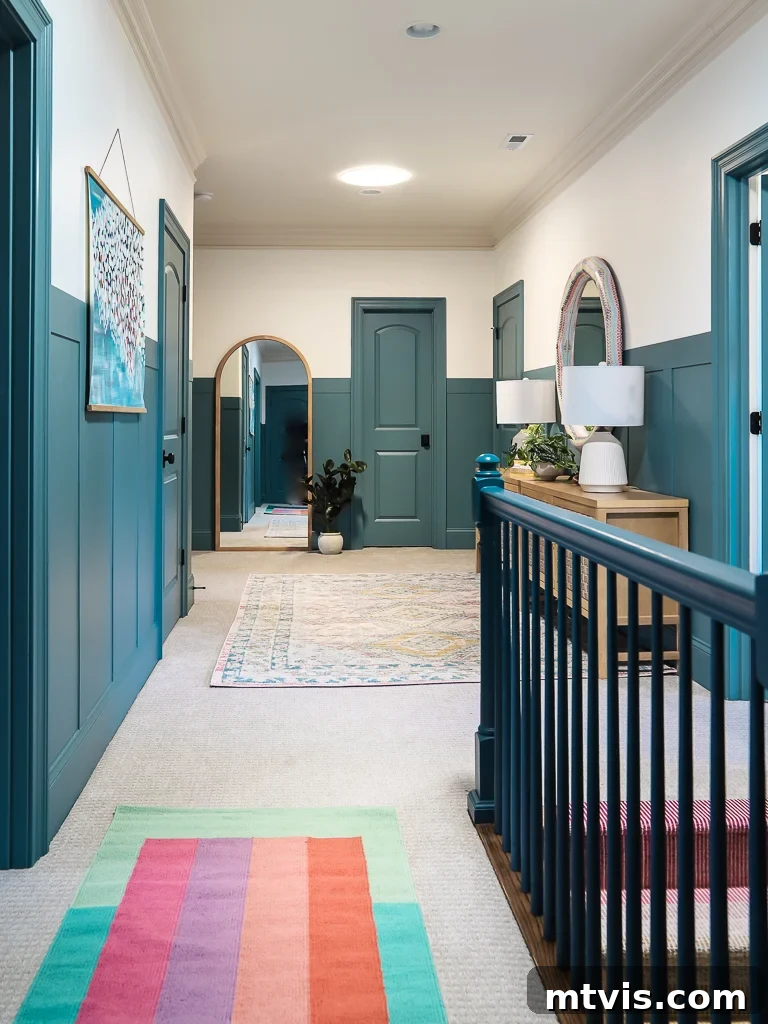
Similarly, the strategically placed area rugs in our upstairs hallway were instrumental in defining and anchoring what was previously a large and somewhat awkward transitional space. They guide the eye, add visual interest, and transform a mere passageway into a thoughtfully designed area.
Do Consider the Size and Placement of Your Rug
When it comes to successfully using area rugs on carpet, size and precise placement are critical factors that can make or break the room’s design. A common mistake is choosing a rug that is too small for the space, which can make the room feel disjointed and the rug appear to float awkwardly. Conversely, an oversized rug can overwhelm the room, making it feel cramped and unbalanced. The key is proportionality – your rug should relate harmoniously to both the size of the room and the furniture within it.
Strategic placement ensures the rug not only looks good but also functions effectively to define areas and create a sense of flow. Here are some general guidelines, with more detailed tips available in our dedicated posts:
- Living Room or Family Room: For most living room setups, aim for a rug large enough so that at least the front two legs of all major furniture pieces (sofa, armchairs) rest on the rug. This creates a cohesive conversation area. In larger rooms, an even bigger rug that allows all furniture legs to sit on it can make the space feel more luxurious and grounded. Avoid rugs that are merely centered in the middle of a furniture grouping without interacting with any pieces.
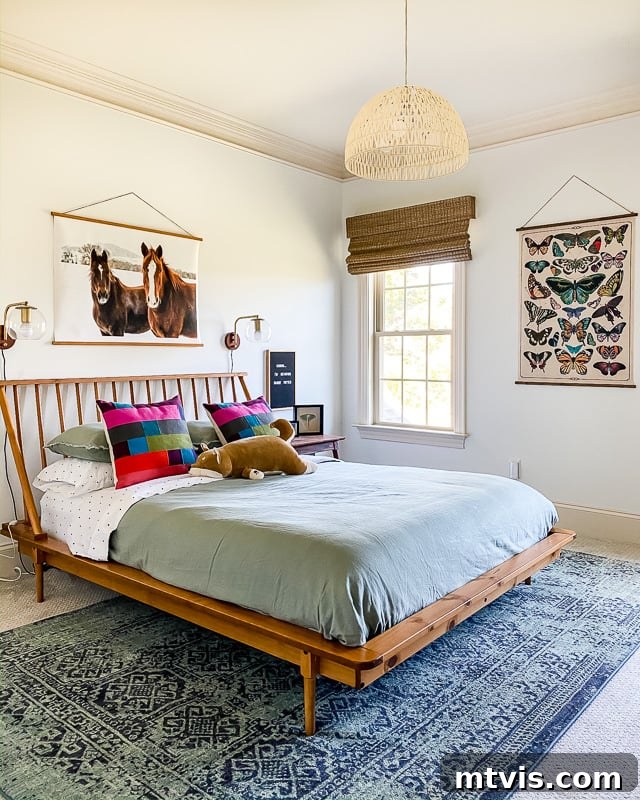
- Bedroom: The size and placement of a rug in a bedroom depend on the bed size and desired coverage. For a queen or king bed, popular options include an 8’x10′ or 9’x12′ rug placed perpendicular to the bed, extending out from under it by at least 18-24 inches on the sides and foot. This provides soft landing zones. Alternatively, you could use two smaller runners on either side of the bed. For smaller beds, a 5’x7′ or 6’x9′ rug might fit perfectly under the bottom two-thirds of the bed.
- Dining Room: In a dining room, the rug should be large enough to accommodate the dining table and all chairs, even when they are pulled out from the table. This typically means extending at least 24-30 inches beyond the edge of the table on all sides, allowing chairs to remain entirely on the rug surface when in use, preventing snagging or tripping.
Beyond these guidelines, always consider the natural pathways and traffic flow within the room. The rug should enhance movement, not obstruct it. For more specific rug sizing and placement tips tailored to different rooms, you can explore these detailed guides:
- Bedroom Rug Size & Placement: Everything You Need to Know
- How To Choose The Right Rug Size For Your Living Room or Family Room
Don’t Forget to Clean Your Area Rug AND Carpet
Once you’ve expertly chosen and placed the perfect area rug to complement your carpet and elevate your room’s design, the final, yet equally important, step is diligent maintenance. A clean rug is not just about aesthetics; it significantly contributes to a healthier home environment by improving indoor air quality and preventing the accumulation of allergens, dust mites, and dirt. Regular cleaning will ensure your layered rugs look their best and last for years to come.
Make vacuuming a consistent part of your routine – at least once a week for moderate traffic areas, and more frequently for high-traffic zones. Be sure to vacuum both the top surface of your area rug and, if possible, lift the edges or corners to vacuum the carpet underneath and the rug pad itself. This helps to capture any dirt that sifts through.
Beyond regular vacuuming, I highly recommend deep cleaning your area rugs at least once a year. While professional cleaning is an option, it’s often an expense you can avoid. I’ve successfully cleaned my own rugs and carpets for years using this home carpet cleaner. It’s incredibly effective, convenient, and I appreciate the peace of mind knowing it’s only been used on my own household rugs, which feels more sanitary.
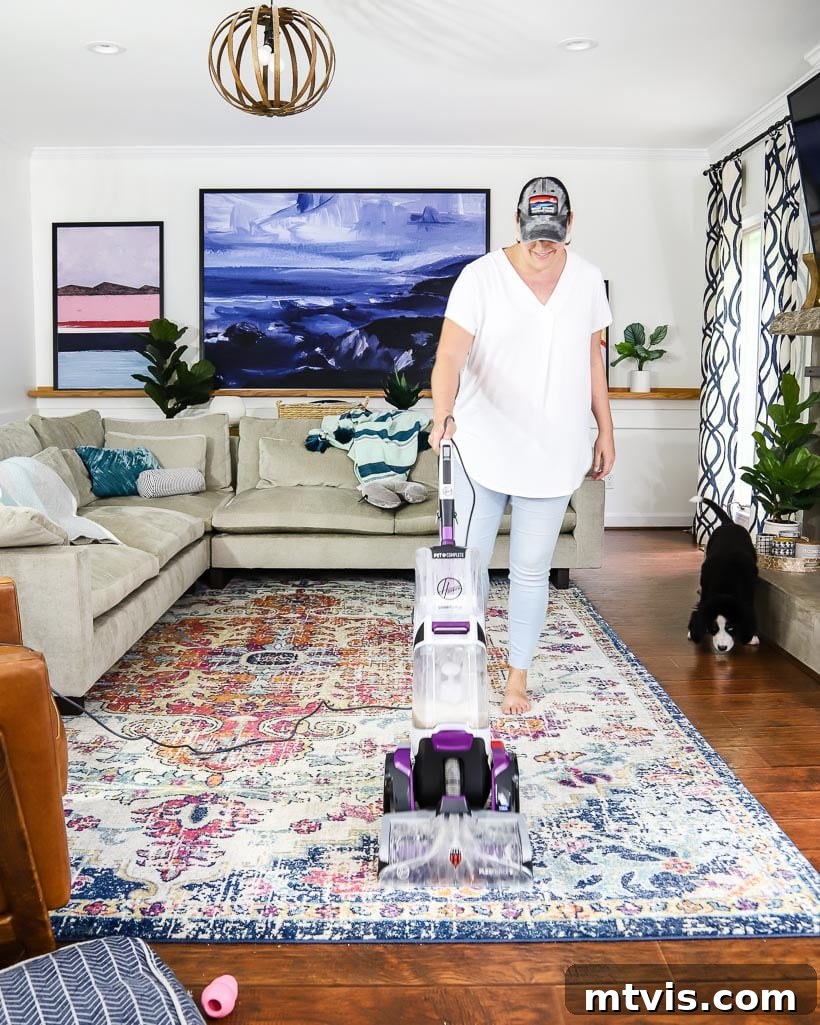
Crucially, don’t neglect the wall-to-wall carpet underneath your area rug. Even with a rug pad, dust, debris, and allergens can migrate through. Every few months, or at least once a year during your deep clean, carefully fold back your area rug as much as feasible to thoroughly vacuum and clean the carpet beneath. You’d be surprised at the amount of dirt and particulate matter that can accumulate in this hidden layer.
Finally, immediate action is key for spills. If something spills on your area rug, clean it as quickly as possible. To prevent the liquid from seeping through to your underlying carpet, place a folded towel between the area rug and the rug pad while you’re spot cleaning. My go-to product for tackling carpet spots and stains is Folex. It’s surprisingly affordable and works incredibly well on a wide range of stains.
By following these simple yet effective dos and don’ts, you can confidently use area rugs on carpet to create a beautiful, inviting, and well-maintained space in your home. These practices will not only enhance your decor but also ensure your area rug remains securely in place and stands the test of time.
More Rug Resources
SEE ALL rug POSTS
-
Designer Tips for Choosing Perfect Kitchen Rug Runners
-
How to Choose the Best Rug Size for Your Living Room
-
How to Install a Stair Runner: A Step-by-Step Tutorial
-
How to Keep Rug Corners Down – Tips and Tricks for Every Homeowner
-
The Best Places to Shop for Affordable Rugs
-
The Rug Pad Guide: What You Need to Know Before You Buy
Curious about my personal approach to transforming rooms and spaces in our home? Be sure to check out Designer in a Binder®, my ultimate guide to decorating your home with confidence and ease.
For exclusive content, behind-the-scenes sneak peeks, and more design inspiration delivered straight to your inbox, don’t forget to subscribe before you leave!